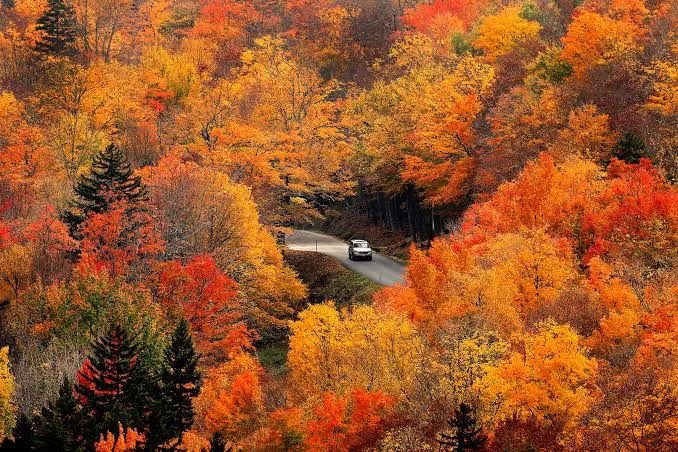
Could parts of New England see a ‘second summer’ this fall?
Tap title to read story
New England residents may experience a brief, unexpected return of warm, sunny weather this fall, commonly referred to as a traditional second summer or Indian summer. Meteorological forecasts indicate that developing El Nino climate patterns are tilting odds toward warmer and wetter conditions across parts of the region, potentially dragging out milder temperatures longer into the season. While traditional patterns usually arrive in late October or November following early frosts or chilly stretches, regional outlooks vary. The Old Farmer Almanac has projected cooler-than-average autumn temperatures for parts of the Northeast. Despite contrasting long-range projections, localized warm spells frequently deliver sun-drenched afternoons and heavy morning dews. These conditions allow communities and leaf-peepers to engage in outdoor activities in late-summer environments well into the harvest period, delaying the arrival of heavy winter weather across southern areas.
More context
Timeline
- On September 1 2023 Long-range forecasts anticipated varying autumn temperatures throughout the region.
- On October 15 2023 Traditional late-season warm spells emerged after initial morning frosts.
- On November 1 2023 Southern New England recorded prolonged mild daytime temperature rebounds.
- On December 1 2023 Winter weather fully displaced the preceding autumn transition period.
- On September 1 2024 Climatologists tracked emerging El Nino influences across northeastern states.
- On October 10 2024 Leaf-peepers experienced extended outdoor recreation during localized warm spells.
- On November 5 2024 Heavy morning dews preceded sun-drenched afternoons in southern areas.
- On September 1 2025 Seasonal outlooks predicted slower transitions into heavy sweater weather.
- On October 20 2025 Unseasonable warmth sustained foliage activities well into harvest season.
- On September 16 2026 Forecasters evaluate current climate patterns affecting autumn temperature transitions.
Why it matters
Immediate US impact: Regional outdoor recreation and tourism economies benefit from extended warmth. Possible long-term US impact: Sustained warmer climate trends may alter traditional seasonal foliage transitions. Most affected groups: New England residents, leaf-peepers, local businesses, and agricultural sectors. Reader priority: Prioritize official National Weather Service updates and regional meteorological reports.
Coverage notes
Left: Emphasizes broad climate pattern changes affecting regional seasonal transitions. Center: Focuses on balanced meteorological data and varied temperature forecasts. Right: Highlights impacts on local recreation economies and outdoor seasonal activities.
Primary report
Regional weather analysis published regarding New England second summer conditions.
Sources
JQJO Editorial Desk · Human reviewed · AI assisted. Report a correction.