Antarctic Ozone Hole Expands Sharply to 25 Million Square Kilometers in Early September
PUBLISHED Sep 16, 2026, 4:45 AM ET
Read, Watch or Listen
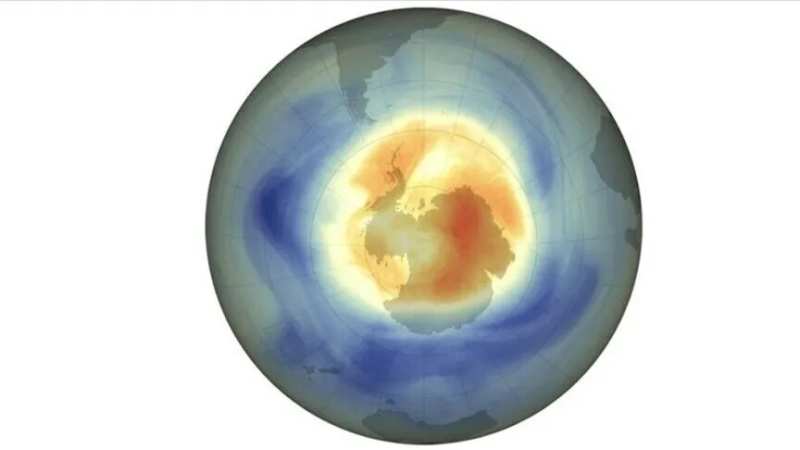
The European Union’s Copernicus Atmosphere Monitoring Service reports that the Antarctic ozone hole has expanded to an estimated twenty-five million square kilometers, roughly five million square kilometers above normal levels for early September. Atmospheric researchers tracking the anomaly indicate that a steep drop in stratospheric temperatures approximately twenty kilometers above the South Pole triggered accelerated chemical destruction. While core ozone column values remain near historical averages, the sharp surge in surface area has raised concerns among scientists monitoring the polar vortex. The extreme cold facilitates the formation of polar stratospheric clouds, which activate ozone-destroying halogens upon exposure to returning spring sunlight. Experts emphasize that ongoing global protection of the ozone layer remains critical to shielding the Southern Hemisphere from hazardous spikes in ultraviolet radiation during the seasonal shift.
By Shahbaz A. | JQJO News
Timeline of Events
- On August 30, 2025, last year's ozone hole reached fifteen million square kilometers.
- On December 1, 2025, the previous Antarctic ozone hole officially closed.
- On August 15, 2026, the annual Antarctic ozone depletion cycle officially initiated.
- On August 31, 2026, the ozone hole area reached fifteen million square kilometers.
- On September 1, 2026, stratospheric temperature monitoring recorded sharp sub-polar cooling trends.
- On September 5, 2026, CAMS analysts noted accelerated expansion rates across sectors.
- On September 12, 2026, total ozone hole area surged to twenty-five million square kilometers.
- On September 15, 2026, global entities marked preliminary findings ahead of ozone day.
- On September 16, 2026, Copernicus published official data detailing above-average expansion metrics.
- On September 16, 2026, international researchers issued warnings regarding ultraviolet radiation risks.
- Experts expect continued stratospheric temperature fluctuations to influence recovery rates upcoming.
News Intelligence
- Immediate US impact: Southern Hemisphere populations face heightened ultraviolet radiation risks this season.
- Possible long-term US impact: Persistent stratospheric shifts could complicate long-term global ozone recovery timelines.
- Most affected groups: Southern Hemisphere residents, agricultural workers, and atmospheric research agencies.
- Reader priority: Prioritize official scientific bulletins from international atmospheric monitoring organizations.
- Articles Published:
- 20
- Right Leaning:
- 1
- Left Leaning:
- 4
- Neutral:
- 15
- Distribution:
- Left 20%, Center 75%, Right 5%
Left: Highlighted severe climate risks threatening global environmental stability markers. Center: Reported CAMS statistical findings regarding Antarctic ozone expansion objectively. Right: Emphasized scientific monitoring data without focusing on regulatory policy demands.
CAMS published data detailing expanded Antarctic ozone hole size on September 16, 2026. https://atmosphere.copernicus.eu/copernicus-ozone-hole-reaches-notable-threshold-early-again-area-increases-above-average-2026
Coverage of Story:
From Left
Ozone hole opens wider than average in southern stratosphere
The New York Times NPR The Washington Post TimeFrom Center
Antarctic ozone hole expands above average in early September: EU climate agency
Anadolu Agency Down To Earth Sustainability Online Jagran Josh Copernicus Atmosphere Monitoring Service World Meteorological Organization Reuters Associated Press Bloomberg CBC News Financial Times Science The Japan Times Euronews POLITICOFrom Right
Atmospheric data reveals expansion of seasonal ozone hole over South Pole
Wall Street Journal





Comments