Retail sales rise a better-than-expected 1.2% in August after shoppers pulled back spending in July
Tap title to read story
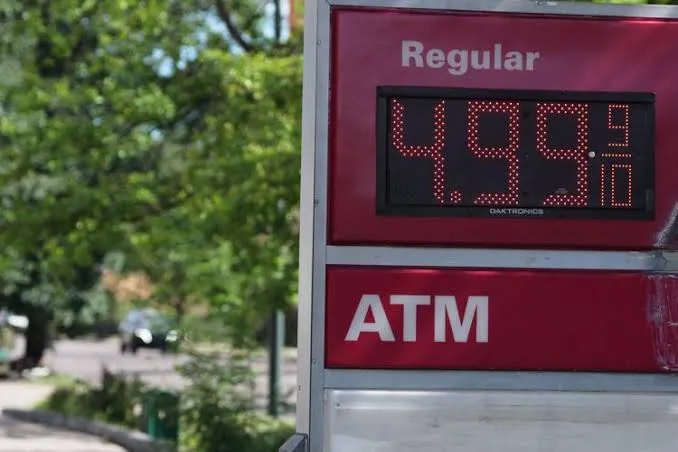
U.S. retail sales rose by a better-than-expected 1.2% in August, rebounding from a revised 0.5% decline in July, according to data released by the Commerce Department's Census Bureau. The stronger-than-anticipated growth was driven by widespread consumer spending across online retail platforms, apparel shops, furniture stores, and food services, alongside increased purchases of motor vehicles and back-to-school items. This robust performance highlights the ongoing resilience of American households, who continue to spend despite persistent inflationary pressures, elevated fuel costs, and oil price shocks. Economists noted that steady wage growth and recent stock market gains have helped support consumer purchasing power. However, analysts caution that sustained inflationary trends and higher energy prices could place pressure on household budgets moving forward. The stronger consumer data also influences expectations surrounding upcoming monetary policy decisions by the Federal Reserve.
More context
Timeline
- On January 15 2025 Commerce Department reported steady retail sales growth across sectors.
- On March 12 2025 Inflationary pressures began to impact broader consumer discretionary spending.
- On May 10 2025 Retail analysts predicted moderate consumer spending growth for summer.
- On July 15 2025 Commerce Department noted a revised zero point five percent decline.
- On August 10 2025 Consumers pulled back discretionary spending due to high prices.
- On September 1 2025 Back to school shopping began lifting select retail categories.
- On September 10 2025 Economists projected a modest headline retail sales rebound increase.
- On September 15 2025 Preliminary market estimates anticipated positive retail sales growth figures.
- On September 16 2026 Commerce Department reported retail sales rose one point two percent.
- On September 16 2026 Financial markets reacted to retail data impacting federal policy.
Why it matters
Immediate US impact: Boosts economic confidence and influences Federal Reserve interest rate expectations. Possible long-term US impact: Sustained consumer strength may shape future monetary policy and inflation trends. Most affected groups: American consumers, retail businesses, online vendors, and financial market investors. Reader priority: Commerce Department reports, Federal Reserve statements, and economic analyses.
Coverage notes
Left: Emphasizes wage growth supporting resilient consumers amid persistent inflation. Center: Focuses strictly on Commerce Department data exceeding consensus market expectations. Right: Highlights consumer adaptability and economic resilience despite energy cost pressures.
Primary report
Commerce department reported retail sales rose one point two percent today.
Sources
- The Independent
- Politico
- Washington Post
- New York Times
- San Francisco Chronicle
- Time
- Associated Press
- Barchart
- Local 10
- iHeartRadio
- TradingKey
- Investing.com
- WUSA9
- San Antonio Express-News
- Transport Topics
- The Straits Times
- Kitco News
- Reuters
- Bloomberg
- MarketWatch
- Financial Times
- Barron's
- USA Today
- NBC News
- NPR
- Chicago Tribune
- Houston Chronicle
- Seattle Times
- Miami Herald
- The Hill
- Quartz
- TheStreet
- Seeking Alpha
- Benzinga
- MarketWatch Bond Report
- Bloomberg Markets
- Reuters Financial
- Financial Times Markets
- Associated Press Business
- US News & World Report
- Wall Street Journal
- Forbes
- The Wall Street Journal Markets
JQJO Editorial Desk · Human reviewed · AI assisted. Report a correction.