FTC chair suspicious of calls for AI antitrust exemptions
Tap title to read story
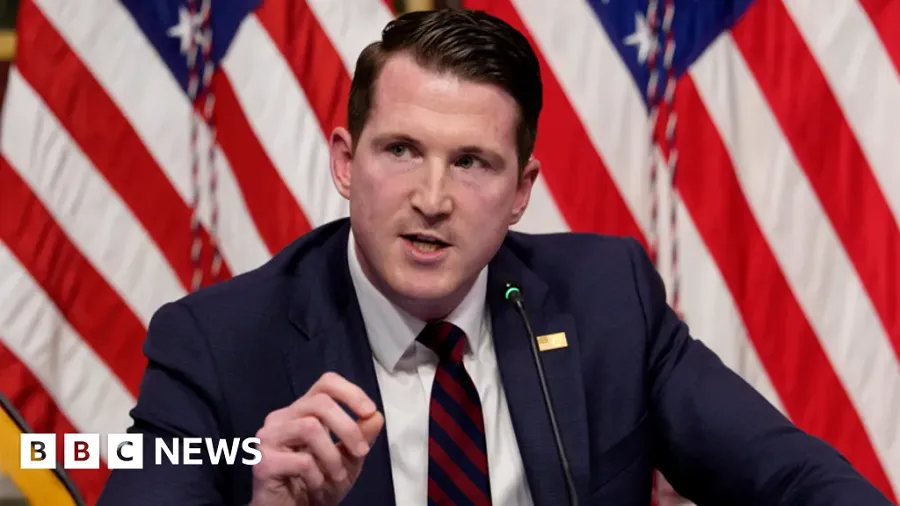
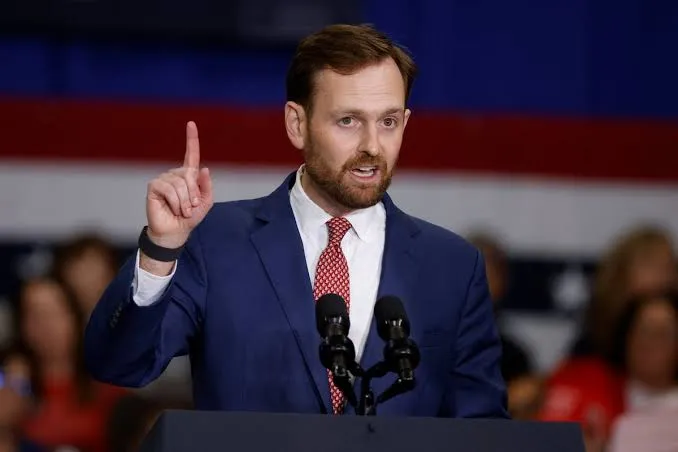
Federal Trade Commission Chairman Andrew Ferguson expressed deep skepticism on Tuesday regarding calls from artificial intelligence companies for antitrust exemptions to coordinate development slowdowns. Speaking at Georgetown University, Ferguson warned that combining requests for heavy industry regulation with antitrust waivers creates artificial barriers to entry that insulate corporate incumbents from competition. His remarks follow comments by Anthropic CEO Dario Amodei, who urged the federal government to issue a narrow antitrust waiver enabling tech competitors to coordinate safety measures against potential catastrophic risks. OpenAI's top lobbyist stated the company has been collaborating with rivals on safety without needing a waiver, while smaller competitors and antitrust experts criticized the proposal. Critics argued that existing legal frameworks already permit necessary information sharing on safety and cybersecurity. Ferguson emphasized that President Donald Trump will set official federal AI policy, marking the administration's initial stance on corporate-led regulatory exemption requests within the technology sector.
More context
Timeline
- On August 31, 2026, Federal Trade Commission Chairman Andrew Ferguson spoke at Michigan event.
- On September 11, 2026, Anthropic researcher Jacob Coxon announced his resignation over safety concerns.
- On September 11, 2026, Anthropic CEO Dario Amodei requested an antitrust development waiver.
- On September 12, 2026, Cohere cofounder Aidan Gomez criticized incubator regulatory capture efforts.
- On September 14, 2026, OpenAI lobbyist Chris Lehane reported active safety collaboration.
- On September 15, 2026, FTC Chairman Ferguson warned against antitrust exemptions at Georgetown.
- On September 15, 2026, Reuters published Jody Godoy report on FTC antitrust warnings.
- On September 16, 2026, federal officials monitor ongoing industry debates regarding AI safety coordination.
- Future policy makers will evaluate narrow antitrust waivers for artificial intelligence safety.
- Federal authorities will determine official regulatory guidelines for artificial intelligence market competition.
Why it matters
Immediate US impact: Federal regulators signal heightened scrutiny over artificial intelligence market concentration. Possible long-term US impact: Antitrust exemptions for major tech companies face strict government resistance. Most affected groups: Major artificial intelligence developers, federal regulators, and smaller software startups. Reader priority: Monitor official regulatory filings and primary announcements regarding artificial intelligence policy.
Coverage notes
Left: Emphasizes corporate market dominance and risks of unregulated artificial intelligence. Center: Reports government skepticism toward corporate antitrust exemptions and regulatory capture. Right: Focuses on executive policy control and preventing anti-competitive bureaucratic barriers.
Primary report
FTC chairman warns against AI antitrust exemptions on September 15 2026
Sources
JQJO Editorial Desk · Human reviewed · AI assisted. Report a correction.