NATO chief Rutte vows more support for Ukraine after Russian drone strikes near Polish border
Tap title to read story
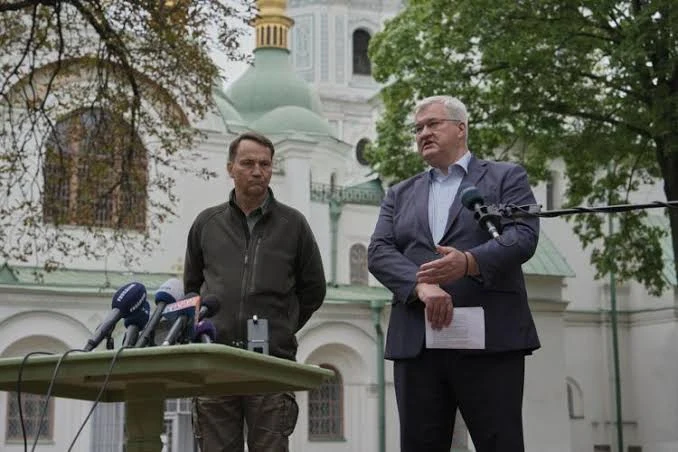
NATO Secretary General Mark Rutte pledged increased military backing and reinforced air defenses along the alliance eastern flank following recent Russian drone strikes near the Polish frontier. The escalation included a reported attack on a civilian train close to the border, intensifying security concerns across the region. Rutte strongly condemned Moscow actions during a high-level address, emphasizing that unrelenting assaults pose a direct threat to stability within European member states. Western defense officials are coordinating strategic responses to deter further proximity provocations and safeguard sovereign airspace. The alliance maintains that continued support for Kyiv remains vital for maintaining regional deterrence. No casualties were officially confirmed from the immediate border impact zone, but intelligence teams are evaluating trajectory data. Analysts suggest these incidents heighten the risk of inadvertent spillover into NATO territory. Member nations continue weighing enhanced surveillance measures to protect vital transportation corridors and civilian infrastructure. Diplomatic channels remain active as foreign ministers review collective defense protocols in response to ongoing cross-border aerial incursions.
More context
Timeline
- On February 20 2022 Russian forces launched military operations into Ukrainian territory.
- On April 4 2023 Finland officially joined the North Atlantic Treaty Organization.
- On July 11 2024 NATO leaders pledged long-term security assistance for Kyiv.
- On October 1 2024 Mark Rutte assumed office as NATO Secretary General.
- On January 15 2025 Alliance intelligence reported increased aerial activity near borders.
- On February 10 2026 Western intelligence agencies detected rising drone activity near borders.
- On September 10 2026 Russian drone strikes occurred near the Polish frontier zone.
- On September 11 2026 A civilian train near the frontier suffered structural damage.
- On September 12 2026 NATO Secretary General Mark Rutte condemned the attacks.
- On September 14 2026 NATO vowed expanded military support and air defense reinforcement.
- Expectations indicate NATO will deploy additional surveillance assets along borders.
- Analysts predict intensified diplomatic warnings from western capitals toward Moscow.
Why it matters
Immediate US impact: Heightened military readiness and strategic defense supply chain investments. Possible long-term US impact: Increased defense spending allocations and permanent eastern flank troop deployments. Most affected groups: Federal agencies, defense contractors, international investors, and European allies. Reader priority: Monitor official defense announcements and verified wire service reporting updates.
Coverage notes
Left: Emphasizes humanitarian risks, civilian infrastructure protection, and collective international defense. Center: Reports official statements objectively, focusing on alliance strategy and regional security implications. Right: Emphasizes deterrence failure, demands stronger military posture, and criticizes Russian aggression.
Primary report
NATO Secretary General Mark Rutte announced enhanced support on September 14.
Sources
- Ukrainska Pravda
- EUobserver
- The Independent
- The Atlantic
- Reuters
- Associated Press
- Politico
- The Hill
- Anadolu Agency
- Euronews
- Sky News
- Washington Post
- New York Times
- Bloomberg
- CBC News
- NBC News
- Financial Times
- Newsweek
- Time
- NPR
- PBS NewsHour
- Moscow Times
- Dawn
- Le Monde
- El Pais
- Sydney Morning Herald
- Japan Times
- Times of Israel
- Evening Standard
- EurActiv
- Wall Street Journal
- Forbes
- nato.int
JQJO Editorial Desk · Human reviewed · AI assisted. Report a correction.