Downed U.S. Air Force Officer Details Harrowing Rescue in Iran
Tap title to read story
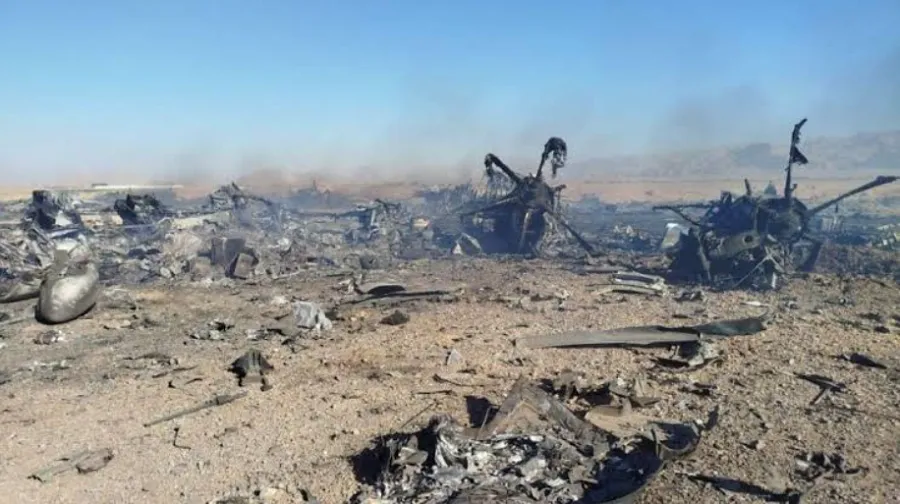
A United States Air Force weapons systems officer, known by his mission call sign Dude 44 Bravo, has publicly detailed his harrowing survival and extraction after being shot down over Iran. Speaking on the season premiere of CBS News program 60 Minutes, Bravo recounted how an F-15E Strike Eagle was struck by an Iranian missile during military operations near Isfahan in April. The catastrophic impact destroyed his parachute, causing him to free-fall at speeds estimated between 70 and 100 miles per hour. He survived the high-speed impact with a fractured back, arm, and shoulder. Using his survival training, Bravo evaded enemy search parties for nearly 50 hours in a mountainous region before being rescued by U.S. forces. The complex extraction involved airstrikes, a CIA deception operation, and special operations assets. Defense officials and military leadership highlighted the mission as one of the most intricate rescue efforts in modern military history.
More context
Timeline
- On April 2, 2026, an F-15E Strike Eagle was shot down over Isfahan.
- On April 2, 2026, weapons systems officer Bravo free-fell after parachute damage occurred.
- On April 2, 2026, pilot Alpha was rescued safely during initial operations.
- On April 3, 2026, Bravo hid in a mountain crevice avoiding enemy capture.
- On April 3, 2026, U.S. Central Command coordinated extensive intelligence and air support.
- On April 4, 2026, CIA deception operations misled Iranian search parties successfully.
- On April 5, 2026, U.S. special forces extracted Bravo after fifty hours.
- On September 13, 2026, Bravo gave his first public interview on television.
- On September 14, 2026, military analysts reviewed the complex rescue operation details broadly.
- In coming months, the Pentagon will evaluate long-term combat search strategies.
Why it matters
Immediate US impact: Immediate US impact involves heightened military readiness and morale debates. Possible long-term US impact: Long-term US impact shapes tactical combat search and rescue protocols. Most affected groups: Most affected groups include United States Air Force and defense personnel. Reader Priorities: Readers should prioritize verified statements from official military and network sources.
Coverage notes
Left: Emphasizes political pressures behind arranging the exclusive television interview. Center: Focuses strictly on the harrowing survival details and rescue mechanics. Right: Highlights military bravery, resilience, and success of combat operations.
Primary report
Air Force officer details his rescue on television interview.
Sources
JQJO Editorial Desk · Human reviewed · AI assisted. Report a correction.