Iran-Gulf talks without US participation on reopening the Strait of Hormuz postponed, Omani official says
PUBLISHED Sep 13, 2026, 7:46 PM ET
Read, Watch or Listen
Omani and Iranian officials announced the postponement of high-level regional talks scheduled to address shipping management through the Strait of Hormuz. Omani Foreign Minister Badr Albusaidi stated that the gathering in Salalah was deferred in the interest of regional consensus. The meetings were intended to evaluate an Omani-brokered framework allowing commercial vessels to resume transit through the vital maritime trade route without direct United States participation. Tehran and Muscat confirmed that the delay followed requests from participating regional countries amid ongoing security concerns and divergent diplomatic positions. The Strait of Hormuz has experienced severe disruptions and lower traffic volumes since military conflicts involving Iran, Israel, and the United States escalated in late February. International crude benchmarks reacted to the suspension with notable gains as roughly one-fifth of global petroleum supplies historically pass through the channel. Regional authorities have not announced a rescheduled date for the diplomatic discussions.
By Yusra M. | JQJO News
Timeline of Events
- On Feb. 28, 2026, military hostilities involving the United States and Iran began.
- On Mar. 02, 2026, Iranian forces restricted shipping transit across the Hormuz channel.
- On Apr. 15, 2026, Oman initiated diplomatic framework discussions with Tehran regarding shipping.
- On Jun. 10, 2026, an interim bilateral memorandum of understanding faced implementation disputes.
- On Jul. 12, 2026, United States officials declared conditions for future negotiations.
- On Sep. 11, 2026, regional governments finalized preparations for the upcoming Salalah ministerial summit.
- On Sep. 13, 2026, Omani Foreign Minister Badr Albusaidi announced the sudden meeting postponement.
- On Sep. 14, 2026, international crude oil prices climbed following the diplomatic delay announcement.
- On Sep. 14, 2026, Tehran and Muscat continue consultations to establish a new meeting schedule.
- On Sep. 15, 2026, regional stakeholders evaluate alternative security measures for commercial shipping lanes.
News Intelligence
- Immediate US impact: Crude oil prices rise and fuel costs increase across America.
- Possible long-term US impact: Persistent Middle East instability maintains upward pressure on energy markets.
- Most affected groups: Energy consumers, logistics companies, airlines, and federal economic policymakers.
- Reader priority: Monitor international commodity updates and official government energy market advisories.
- Articles Published:
- 29
- Right Leaning:
- 4
- Left Leaning:
- 6
- Neutral:
- 19
- Distribution:
- Left 21%, Center 66%, Right 14%
Left: Emphasizes diplomatic breakdown and risks to global energy supplies. Center: Reports factual statements from Omani and Iranian state officials neutrally. Right: Focuses on security threats and Iranian defiance in maritime zones.
Omani Foreign Minister Badr Albusaidi announced meeting postponement on X on September 13. https://www.ft.com/content/4845a503-3ddd-4bb7-a469-c51f275bc873
Coverage of Story:
From Left
No breakthrough on Strait of Hormuz as Trump halts attack on Iran
Al Jazeera Al Jazeera Liveblog Al Jazeera Newsfeed CNN The Guardian Middle East EyeFrom Center
Gulf states postpone talks with Iran over Hormuz impasse
Financial Times Associated Press Times of Israel InvestingLive The Hindu ANI News Turkiye Today Ynetnews AP News - Middle East Roundup AP News - UN Resolution Reuters BBC News Bloomberg Arab News The National Gulf News Al Monitor France 24 DW NewsFrom Right
Geopolitical risk premium grows as Gulf talks stall
Wall Street Journal Tehran Times Asharq Al-Awsat Sputnik News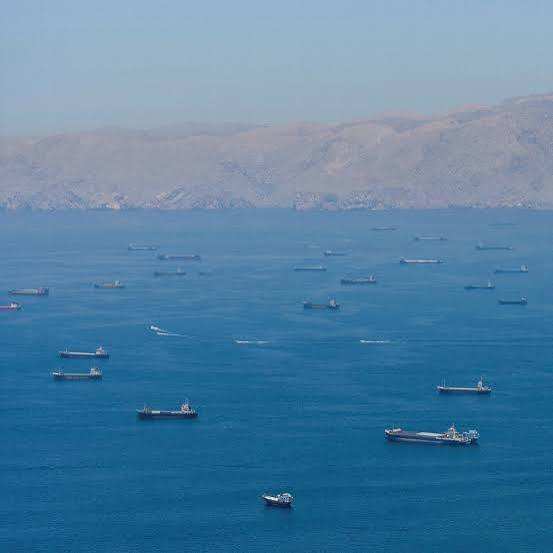




Comments