Crash at MIA should have been preventable with the right technology | Letters
Tap title to read story
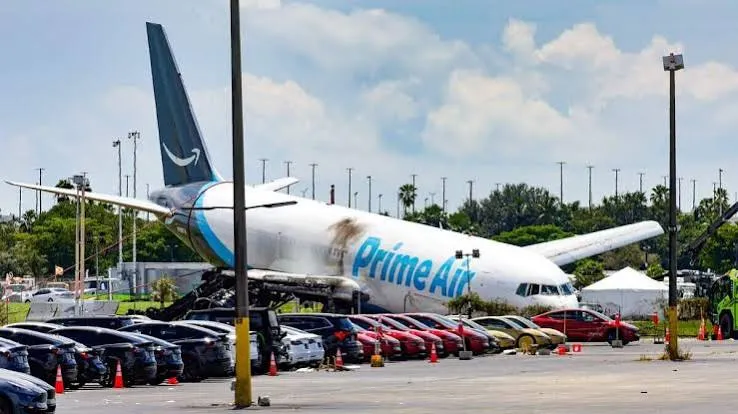
A fatal runway overrun accident at Miami International Airport involving an Amazon cargo jet operated by 21 Air has triggered widespread scrutiny regarding aviation infrastructure and safety measures. The aircraft overshot Runway 30, broke through a perimeter fence, struck vehicles on a public road, and resulted in five fatalities. Federal investigators from the National Transportation Safety Board are examining cockpit voice and flight data recorder logs, which indicate excessive speed and multiple automated proximity warnings prior to touchdown. Aviation safety advocates are questioning the absence of an Engineered Materials Arresting System at the runway end. While airport officials maintain that the runway complies with standard federal safety areas, critics argue that urban proximity requires enhanced active mitigation technologies to prevent off-site catastrophes. The ongoing federal investigation aims to determine whether current regulatory infrastructure standards adequately protect adjacent public thoroughfares from high-speed runway excursions.
More context
Timeline
- On November 12 2024, the cargo jet departed on the scheduled flight.
- On November 12 2024, the aircraft approached Miami International Airport Runway 30.
- On November 12 2024, cockpit warnings activated regarding excessive speed and terrain clearance.
- On November 12 2024, the flight crew attempted a late go-around maneuver.
- On November 12 2024, the aircraft overshot the runway and perimeter fence.
- On November 12 2024, the jet struck public vehicles resulting in five fatalities.
- On November 13 2024, NTSB investigators arrived on-site to initiate a probe.
- On November 15 2024, preliminary flight recorder data was recovered and analyzed.
- On January 10 2025, public safety advocates questioned the absence of EMAS beds.
- On September 12 2026, federal safety investigations into runway infrastructure standards continue actively.
Why it matters
Immediate US impact: Improves urban airport perimeter safety regulations across United States airports. Possible long-term US impact: Mandates nationwide retrofitting of engineered arresting systems near public roads. Most affected groups: Federal regulators, airport authorities, cargo operators, and urban commuter communities. Reader priority: Monitor federal safety board findings and subsequent airport infrastructure policy updates.
Coverage notes
Left: Emphasizes regulatory oversight failures and urgent urban airport infrastructure upgrades. Center: Reports factual details regarding NTSB findings and infrastructure safety debates. Right: Focuses on commercial aviation operational factors and regulatory compliance burdens.
Primary report
Miami Herald published reader letter addressing MIA runway overrun crash risks on 2024-11-12
Sources
- New York Times
- Washington Post
- NPR
- San Francisco Chronicle
- Miami Herald
- Reuters
- Associated Press
- Bloomberg
- Wall Street Journal
- USA Today
- Politico
- The Hill
- Forbes
- Orlando Sentinel
- Sun Sentinel
- Chicago Tribune
- Houston Chronicle
- Dallas Morning News
- Seattle Times
- GeekWire
- Air Cargo World
- The Aviation Herald
- Simple Flying
- FlightGlobal
- Financial Times US
- The Street
- The Wall Street Journal Opinion
- The Daily Caller
- Daily Mail US
- miamiherald.com
JQJO Editorial Desk · Human reviewed · AI assisted. Report a correction.