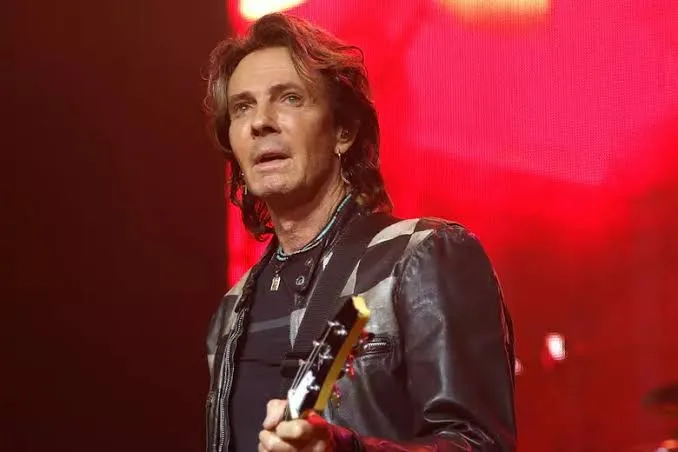
Rick Springfield Admits to Firing Mortars and Killing Soldier in Vietnam War
Tap title to read story
Grammy Award-winning musician Rick Springfield disclosed during a podcast appearance that he killed a Viet Cong soldier with a mortar shell during a 1968 tour entertaining troops in Da Nang. Springfield, then a teenager performing with an Australian rock band, recounted staying inside an active military radio shack that came under sudden mortar attack. Following instructions from officers who stated no friendly forces remained on the perimeter, Springfield dropped multiple mortar shells down a launch tube. Springfield acknowledged the immense physical danger of operating heavy weaponry without training and described the heavy emotional weight of the realization decades later. The disclosure revisits an incident previously mentioned in his 2010 memoir, bringing renewed public attention to the hazards faced by civilian entertainers during active military engagements of the Vietnam conflict. The musician is widely recognized for his 1981 hit single Jessie's Girl and television acting roles.
More context
Timeline
- 1968 — Australian rock band teen toured military bases in Vietnam.
- 1968 — Radio shack at Da Nang military base faced attack.
- 1968 — Military officers instructed teenager to load mortar launch tube.
- 1968 — Musician dropped explosive shells resulting in enemy combatant death.
- 2010 — Artist published memoir detailing the historical Vietnam wartime experience.
- 2024-10 — Musician appeared as podcast guest discussing historical wartime actions.
- 2026-09 — Public media outlets analyzed historical statements regarding wartime combat.
- 2026-09 — Listeners reviewed podcast archives detailing historical battlefield engagements.
- Observers will monitor public discussions regarding civilian wartime participation.
- Historians may evaluate documentation regarding civilian military support roles.
Why it matters
Immediate US impact: Public awareness regarding civilian entertainers in Vietnam conflict zones increases. Possible long-term US impact: Cultural discussions examine psychological impacts of historical wartime combat experiences. Most affected groups: Veterans, military historians, music fans, cultural researchers, and entertainment biographers. Reader priority: Readers should prioritize verified historical records over sensationalized social media commentary.
Coverage notes
Left: Emphasizes trauma and the psychological weight of wartime violence. Center: Reports factual statements directly from the artist podcast interview. Right: Focuses on dramatic narrative elements of wartime survival actions.
Primary report
Podcast interview on The Joe Rogan Experience released on date.
Sources
JQJO Editorial Desk · Human reviewed · AI assisted. Report a correction.