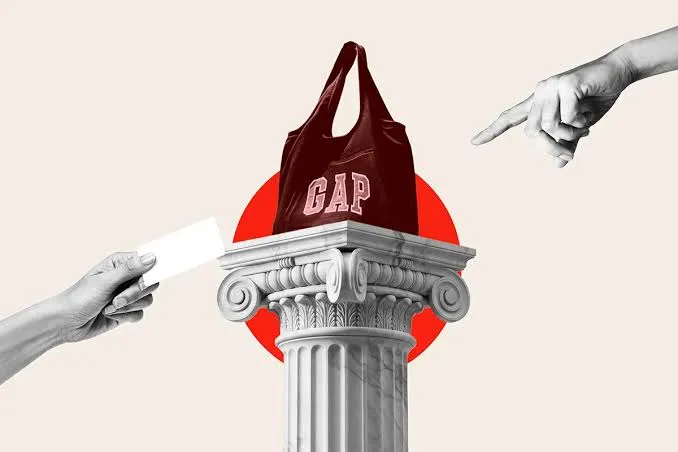
Young Americans Are Buying Something Fashion Can’t Manufacture: History
Tap title to read story
Young American consumers, particularly Gen Z, are increasingly rejecting mass-produced fast fashion in favor of vintage apparel, thrifted items, and archival clothing. Industry analysts report a growing consumer fatigue with uniform, algorithm-driven trends that dominate modern retail. Retailers are responding to this cultural shift by introducing distressed or repurposed garments, though critics argue such mass-market attempts often lack genuine heritage. This trend reflects broader concerns regarding textile waste, personal identity expression, and a rising demand for authentic storytelling in consumer goods. Market researchers note that pre-owned clothing platforms have experienced substantial user growth, signaling a permanent evolution in retail preferences across the United States. Economic experts emphasize that while traditional apparel chains attempt to manufacture nostalgia, shoppers increasingly prioritize unique provenance and environmental sustainability over standardized manufacturing efficiency.
More context
Timeline
- On January 15 2024 vintage clothing marketplaces reported record digital traffic.
- On March 10 2024 major retail brands launched repurposed denim capsule collections.
- On June 22 2024 consumer surveys highlighted widespread fast fashion fatigue.
- On September 05 2024 thrift store revenue surpassed traditional mall retail growth.
- On November 14 2024 industry analysts published reports on archival fashion demand.
- On February 18 2025 secondhand apparel platforms secured major venture capital funding.
- On May 30 2025 sustainable fashion advocates praised declining fast fashion consumption.
- On August 12 2025 luxury heritage brands expanded their certified pre-owned divisions.
- On October 25 2025 retail researchers documented rising youth preference for vintage.
- On January 10 2026 market data confirmed continued expansion of thrift economies.
Why it matters
Immediate US impact: Retailers face declining fast-fashion sales amid rising vintage demand. Possible long-term US impact: Traditional apparel manufacturing will shift toward circular economy models permanently. Most affected groups: Gen Z shoppers, thrift businesses, fast fashion corporate executives. Reader priority: Focus on shifting consumer habits and sustainable retail market analyses.
Coverage notes
Left: Emphasizes corporate exploitation, environmental sustainability, and ethical consumer choices. Center: Highlights consumer trends, market data, and economic retail shifts. Right: Focuses on individual consumer choice, market innovation, and commercial opportunities.
Primary report
Young Americans reject fast fashion seeking history and authenticity.
Sources
- New York Times
- San Francisco Chronicle
- Fast Company
- Reuters
- Associated Press
- Business of Fashion
- Bloomberg
- Wall Street Journal
- Financial Times
- Vogue Business
- Fashionista
- Washington Post
- Chicago Tribune
- USA Today
- Time
- NPR
- Dallas Morning News
- Miami Herald
- Seattle Times
- Detroit Free Press
- Star Tribune
- Arizona Republic
- Sacramento Bee
- Austin American-Statesman
- Cleveland Plain Dealer
- Baltimore Sun
- Oregonian
- Pittsburgh Post-Gazette
- Indianapolis Star
- Columbus Dispatch
- Milwaukee Journal Sentinel
- Kansas City Star
- Charlotte Observer
- Orlando Sentinel
- San Antonio Express-News
- Oklahoman
- Des Moines Register
- Forbes
- Inc.
JQJO Editorial Desk · Human reviewed · AI assisted. Report a correction.