U.S. Air Pollution Monitoring Legal Battles
PUBLISHED Sep 10, 2026, 10:11 AM ET
Read, Watch or Listen
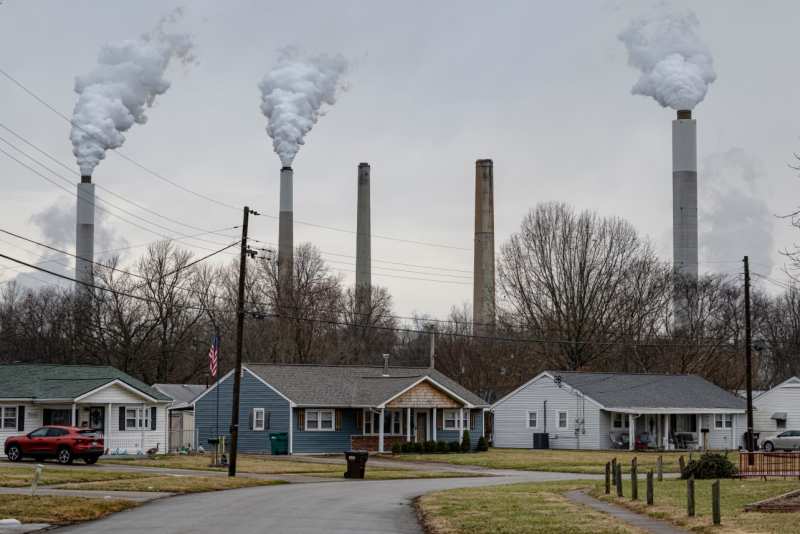
A comprehensive investigative report revealed that chemical industry-backed legislation is advancing across multiple U.S. states to restrict or ban the use of low-cost air pollution monitors. As federal monitoring networks deteriorate and budgets face rollbacks, corporations are actively pushing state-level laws to limit citizen-led air tracking. These low-cost sensors have historically served as a vital tool for communities living near industrial corridors—such as petrochemical hubs in Louisiana, Kentucky, and Ohio—to detect hazardous toxic releases and hold corporate polluters accountable. With similar bills introduced or advanced across state legislatures, public health advocates and environmental groups warn that the restrictions will effectively blind residents to dangerous chemical plumes in their local air, scaling back transparency over industrial emissions. Industry representatives argue that community-collected data lacks the rigorous calibration required for formal regulatory enforcement.
By Shahbaz A. | JQJO News
Timeline of Events
- On October 12 2024 Community groups first installed independent air monitors near petrochemical corridors.
- On November 18 2024 State lawmakers drafted initial limits on community-collected environmental data.
- On January 10 2025 Chemical industry lobbyists introduced standardized restriction bills across several states.
- On March 14 2025 Ohio lawmakers embedded monitor restrictions into state budget legislation.
- On May 20 2025 Affected residents filed lawsuits challenging the validity of new state sensor limits.
- On July 15 2025 Federal budget cuts reduced regional EPA air monitoring grant allocations significantly.
- On September 28 2025 Industrial trade groups defended data reliability standards during legislative hearings.
- On December 5 2025 Independent researchers published findings exposing widespread gaps in government monitor placement.
- On July 20 2026 Investigative reports detailed severe monitoring deficits across Louisiana chemical manufacturing zones.
- On September 10 2026 Floodlight and The Guardian published an investigative report on state restrictions.
News Intelligence
- Immediate US impact: Immediate legislative restrictions alter citizen-led environmental oversight across states.
- Possible long-term US impact: Diminished local transparency threatens long-term public health risk management.
- Most affected groups: Fence-line communities and industrial chemical manufacturers experience primary impacts.
- Reader priority: Monitor ongoing state legislative updates and investigative accountability reports.
- Articles Published:
- 17
- Right Leaning:
- 4
- Left Leaning:
- 4
- Neutral:
- 9
- Distribution:
- Left 24%, Center 53%, Right 24%
Left: Highlights corporate suppression of public health data and environmental injustice. Center: Reports legislative restrictions and industry-versus-community friction neutrally. Right: Emphasizes the technical necessity of standardized regulatory equipment over informal data.
Floodlight and The Guardian published an investigative report on September 10, 2026. https://www.theguardian.com/environment/2026/sep/10/us-chemical-industry-air-pollution-monitors
Coverage of Story:
From Left
Chemical industry backed laws in three US states to restrict use of air pollution data
The Guardian Louisiana Illuminator Inside Climate News Sierra Club MagazineFrom Center
Louisiana Communities Are Left in the Dark on Toxic Air
Good Men Project AP News Reuters The Hill Bloomberg Law Houston Chronicle Louisville Courier Journal Cincinnati Enquirer Charleston Gazette-MailFrom Right
The Flaws of Unregulated Citizen Air Monitors in Manufacturing Hubs
National Review Wall Street Journal The Center Square Daily Caller




Comments