Extreme Heat Warnings Issued Across Southwest U.S. and Central Plains as Temperatures Reach 116°F
Tap title to read story
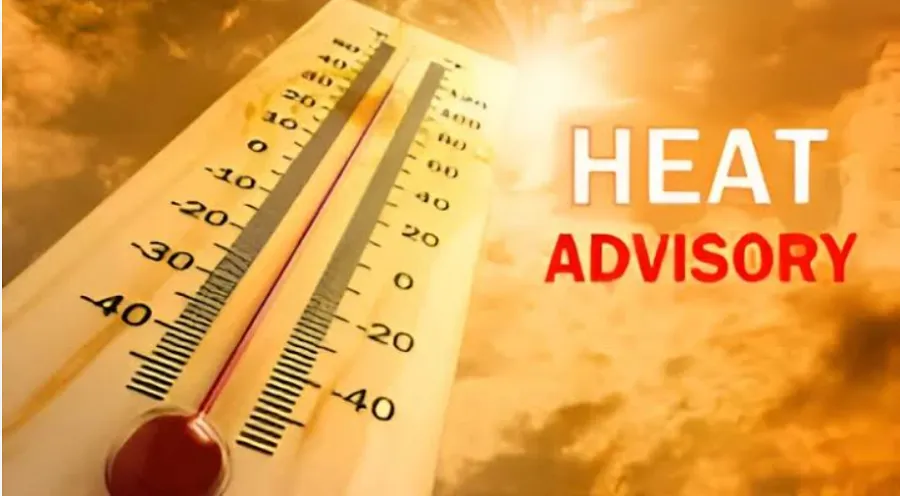
The National Weather Service issued extensive Extreme Heat Warnings and Advisories across the Southwestern United States, California, and the Central Plains, as dangerous late-season temperatures threatened millions of residents. Meteorologists reported that afternoon high temperatures climbed as high as 116 degrees Fahrenheit in Death Valley and parts of the Colorado River Valley, while major desert valleys across Nevada and California experienced prolonged readings between 105 and 110 degrees Fahrenheit. High humidity levels combined with the persistent heat dome to push heat index values near 113 degrees Fahrenheit in sections of southern Texas, Oklahoma, and Arkansas. Public health officials warned that unseasonably warm overnight low temperatures would limit critical cooling relief, heightening the risk of heat-related illnesses for vulnerable populations. Emergency management agencies urged residents to remain in air-conditioned spaces, curtail strenuous outdoor activities during peak afternoon hours, and monitor local weather alerts as the severe thermal event maintains its grip.
More context
Timeline
- On August 31, 2026, strong ridge triggered new regional alerts.
- On September 1, 2026, officials upgraded advisories to extreme warnings.
- On September 2, 2026, NOAA warned dangerous thermal conditions expanding.
- On September 3, 2026, afternoon temperatures surged into triple digits everywhere.
- On September 4, 2026, agricultural specialists reported heavy crop and livestock stress.
- On September 5, 2026, climate stations recorded all-time high September levels.
- On September 6, 2026, backdoor cold front delivered limited temperature relief.
- On September 7, 2026, meteorologists tracked high pressure ridge shifting southwestward.
- On September 8, 2026, National Weather Service issued new warnings.
- On September 10, 2026, emergency officials maintained active western heat warnings.
- Forecasters expect late-season temperature anomalies to gradually subside soon.
Why it matters
Immediate US impact: Severe heat strains regional power grids and emergency medical services. Possible long-term US impact: Prolonged climate volatility increases infrastructure stress and public health risks. Most affected groups: Southwestern residents, outdoor workers, and utilities face immediate severe risks. Reader Priorities: Readers should prioritize official meteorological updates and local emergency advisories.
Coverage notes
Left: Framing emphasizes climate change links and urban vulnerable population safety. Center: Framing focuses strictly on official meteorological warnings and temperature data. Right: Framing highlights grid reliability concerns and economic impacts on businesses.
Primary report
National Weather Service issued heat warnings on September 8, 2026.
Sources
- The New York Times
- The Washington Post
- NBC News
- Washington Post
- Watchers.news
- National Weather Service
- Associated Press
- National Weather Service Safety
- NOAA Climate.us
- Agrolatam
- Reuters
- Bloomberg
- USA Today
- Politico
- Axios
- Arizona Republic
- Dallas Morning News
- Houston Chronicle
- NPR
- Newsweek
- Reuters
- USA Today
- Wall Street Journal
JQJO Editorial Desk · Human reviewed · AI assisted. Report a correction.