Unpaid Ebola Workers Let Families Touch the Dead
PUBLISHED Sep 8, 2026, 11:47 AM ET
Read, Watch or Listen
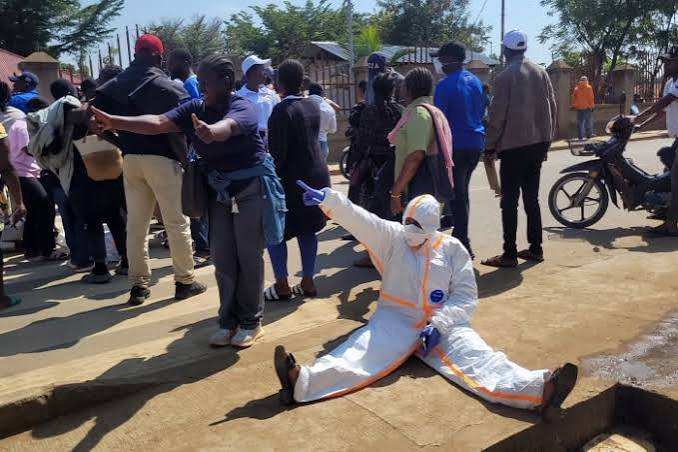
The Democratic Republic of the Congo is confronting a severe Ebola outbreak utilizing the Bundibugyo strain, centered primarily in the eastern province of Ituri. Frontline healthcare responders, hygiene workers, and safe burial teams have engaged in protests and strikes after going weeks or months without receiving promised salaries and hazard bonuses. This severe financial neglect has severely strained local disease surveillance, patient treatment, and institutional oversight. Consequently, desperate or striking support staff have occasionally permitted grieving families to touch and intimately handle deceased victims during funeral rites. Because Ebola remains highly contagious in human remains, post-mortem transmission risks are exceptionally high. Safe and dignified burial protocols traditionally clash with local cultural customs, fueling deep community mistrust and occasional physical attacks against medical facilities and burial teams. Health authorities emphasize that resolving administrative compensation delays is critical to restoring disease control, protecting frontline personnel, and safely managing community grief during the ongoing epidemic crisis.
By James Porter | JQJO News
Timeline of Events
- On January 15 2026 health officials confirmed a new Ebola outbreak strain.
- On February 1 2026 cases centered rapidly across Ituri province region.
- On February 10 2026 frontline workers reported missing salary payments.
- On February 18 2026 hygiene and safe burial staff initiated local strikes.
- On February 25 2026 protests blocked key transport roads in Ituri.
- On March 2 2026 burial teams abandoned mandatory safe protocol guidelines.
- On March 3 2026 families were permitted to touch deceased Ebola victims.
- On March 5 2026 local medical facilities faced community anger and attacks.
- On March 7 2026 health authorities emergency negotiations began regarding unpaid wages.
- On March 8 2026 international agencies assessed rising post-mortem transmission infection risks.
News Intelligence
- Immediate US impact: Immediate US impact involves heightened global health surveillance and monitoring.
- Possible long-term US impact: Long-term US impact includes funding requests for international epidemic response.
- Most affected groups: Most affected groups include Congolese frontline health workers and local communities.
- Reader priority: Readers should prioritize verified World Health Organization outbreak status updates.
- Articles Published:
- 28
- Right Leaning:
- 4
- Left Leaning:
- 2
- Neutral:
- 22
- Distribution:
- Left 7%, Center 79%, Right 14%
Left: Highlighted institutional neglect of workers and cultural grief conflicts. Center: Focused on epidemiological risks, safety protocols, and labor strikes. Right: Emphasized foreign aid inefficiencies and local government security failures.
Local media reports detail unpaid Ebola burial strikes in Ituri. https://www.reuters.com/world/africa/drc-ebola-outbreak-worker-strikes-2026/
Coverage of Story:
From Left
Tradition clashes with contagion as striking workers abandon DRC burials
New York Times IndependentFrom Center
DRC battles severe Ebola outbreak amid worker strikes
Reuters Washington Post Bloomberg NPR CBC News NBC News Politico Financial Times Japan Times Euronews TRT World The Hill Axios Quartz Newsweek Time Forbes Sky News The Straits Times Toronto Star Dublin Evening Herald Le MondeFrom Right
Financial turmoil deepens health crisis in Congo Ebola outbreak
Wall Street Journal Daily Mail National Review The Sun


Comments