Meta Datacenter Wastewater Flushed With Hazardous Bacteria
Tap title to read story
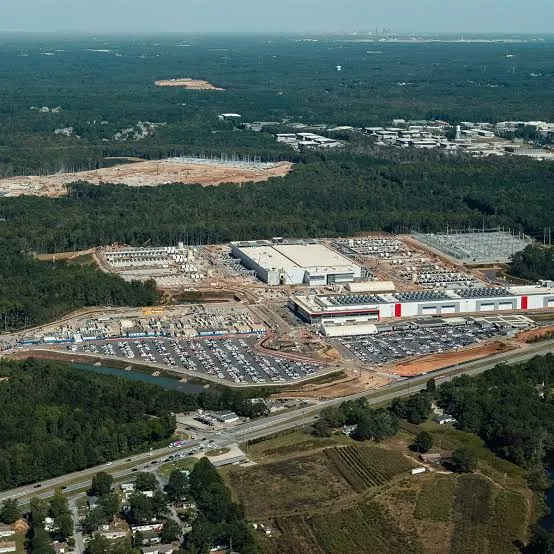
Officials in Cheyenne, Wyoming, discovered that wastewater discharged from an under-construction Meta datacenter contained the rare and potentially hazardous bacterium Cupriavidus gilardii. Contractor Goat Systems ejected 801,000 gallons of industrial fluid earlier in the year, prompting municipal workers to identify the contaminant during routine testing. Although the wastewater entered local sewers rather than public drinking reserves, authorities raised alarms regarding potential aerosolized exposure from industrial irrigation droplets. Cheyenne officials halted wastewater acceptance from the contractor in July, triggering legal appeals that highlight growing municipal pushback against artificial intelligence infrastructure. Nationwide environmental watchdog networks report monitoring similar water systems amid concerns that heavy metals, cooling agents, and biological contaminants are leaching into local ecosystems. Related disputes have emerged in Georgia, New York, and Utah as rapid artificial intelligence expansion increasingly strains local water treatment facilities, utility grids, and environmental safety regulations.
More context
Timeline
- On July 12 2024 municipal workers identified rare bacteria within industrial wastewater.
- On July 15 2024 Cheyenne authorities halted wastewater acceptance from the Meta contractor.
- On August 10 2024 legal appeals were filed regarding the municipal discharge ban.
- On September 5 2024 environmental watchdogs reported nationwide scrutiny on datacenter water systems.
- On October 14 2024 Georgia officials monitored separate Flint River discharge legal challenges.
- On November 20 2024 municipal utilities reviewed cooling agent guidelines for new infrastructure.
- On December 12 2024 state regulators evaluated wastewater standards for artificial intelligence facilities.
- On January 15 2025 legal proceedings continued addressing industrial wastewater safety compliance measures.
- On February 18 2025 regional water authorities expanded testing protocols for bacterial contaminants.
- On March 22 2025 community advocacy groups petitioned for stricter environmental oversight frameworks.
Why it matters
Immediate US impact: Municipal utilities face heightened infrastructure strain and wastewater regulatory challenges. Possible long-term US impact: Cities will implement stricter industrial pre-treatment mandates and monitoring frameworks. Most affected groups: Cheyenne residents, municipal water authorities, and regional environmental protection agencies. Reader priority: Prioritize local regulatory updates and official municipal water testing reports.
Coverage notes
Left: Emphasizes corporate environmental accountability and regulatory protection over public safety. Center: Reports municipal wastewater discoveries and legal disputes with neutral facts. Right: Focuses on regulatory overreach and local infrastructure strain from development.
Primary report
Cheyenne municipal authorities discovered rare bacteria in Meta datacenter wastewater.
Sources
- NPR
- Washington Post
- New York Times
- San Francisco Chronicle
- The Guardian
- The Salt Lake Tribune
- The Sacramento Bee
- Reuters
- Bloomberg
- Wall Street Journal
- The Hill
- Politico
- USA Today
- The Verge
- Forbes
- Bloomberg Law
- Chicago Tribune
- Houston Chronicle
- Seattle Times
- Miami Herald
- The Wyoming Tribune Eagle
- Snopes
- DatacenterDynamics
- The Dallas Morning News
- The Arizona Republic
- The Oregonian
- Star Tribune
- Albany Times Union
- Omaha World-Herald
- The Kansas City Star
- The Charlotte Observer
- The Plain Dealer
- The Indianapolis Star
- Columbus Dispatch
- cheyennecity.org
JQJO Editorial Desk · Human reviewed · AI assisted. Report a correction.