Japanese helicopters to join Indonesia's wildfires battle this weekend
PUBLISHED Sep 8, 2026, 1:06 PM ET
Read, Watch or Listen
Japan deployed three CH-47 Chinook transport helicopters and 180 personnel to Indonesia to assist with wildfire suppression efforts across Sumatra and Borneo. Indonesian defence officials confirmed the aircraft arrived aboard the naval vessel JS Kunisaki and stationed in Pontianak, West Kalimantan. Flight tests preceded operational deployment scheduled from September 12 to 19. Unseasonably dry weather since June exacerbated fires across six provinces, burning more than 76,933 hectares. Indonesia deployed over fifty aircraft for water bombing and cloud seeding alongside thousands of ground personnel. The fires generated dense haze and elevated air pollution levels, prompting environmental concerns in neighbouring Malaysia and Singapore. Military spokespersons reported that locating adequate water sources remained a primary operational challenge, prompting emergency groundwater drilling operations in affected zones. International disaster relief cooperation aimed to mitigate the environmental impact and support regional emergency mitigation frameworks ahead of expected peak seasonal intensity.
By James Porter | JQJO News
Timeline of Events
- On June 1, 2026 dry weather conditions began exacerbating regional forest fires.
- On August 20, 2026 Indonesian authorities deployed over fifty aircraft for water bombing.
- On September 5, 2026 Japanese naval vessel transported transport helicopters toward regional waters.
- On September 8, 2026 Indonesian defense officials announced incoming international aerial support.
- On September 9, 2026 Japanese Chinook helicopters arrived in Pontianak for staging.
- On September 10, 2026 military personnel conducted preliminary equipment and flight testing operations.
- On September 11, 2026 ground teams completed emergency water source drilling in Kalimantan.
- On September 12, 2026 active aerial firefighting operations by Japanese crews officially commenced.
- On September 15, 2026 environmental agencies recorded continued air quality hazards across borders.
- On September 19, 2026 scheduled initial deployment window for Japanese aviation units concludes.
News Intelligence
- Immediate US impact: Minimal direct economic impact on domestic United States markets.
- Possible long-term US impact: Increased international cooperation frameworks for global climate disaster response.
- Most affected groups: Environmental agencies, disaster management officials, and regional logistics providers.
- Reader priority: Prioritize verified wire updates regarding international emergency deployment milestones.
- Articles Published:
- 12
- Right Leaning:
- 1
- Left Leaning:
- 1
- Neutral:
- 10
- Distribution:
- Left 8%, Center 83%, Right 8%
Left: Highlighted climate change impacts and international humanitarian cooperation efforts. Center: Reported official military announcements and logistical deployment details neutrally. Right: Emphasized regional security cooperation and bilateral disaster response efficiency.
Reuters published report on Japanese helicopter deployment to Indonesia wildfires. https://www.reuters.com/world/asia-pacific/japanese-helicopters-join-indonesias-wildfires-battle-this-weekend-2026-09-08/
Coverage of Story:
From Center
Japanese helicopters to join Indonesia's wildfires battle this weekend
Reuters Tempo Antara News Jakarta Globe The Japan Times Devdiscourse Arya News Strait Times NHK World-Japan BloombergFrom Right
Japan boosts regional security and humanitarian ties via disaster relief operations
Yomiuri Shimbun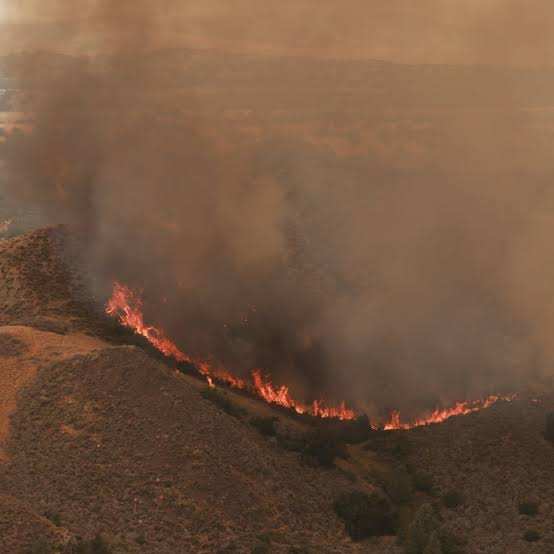





Comments