Global Climate Wake-Up Call: What Nepal’s Extreme Floods Reveal About US Infrastructure Vulnerability
PUBLISHED Sep 8, 2026, 1:34 AM ET
Read, Watch or Listen
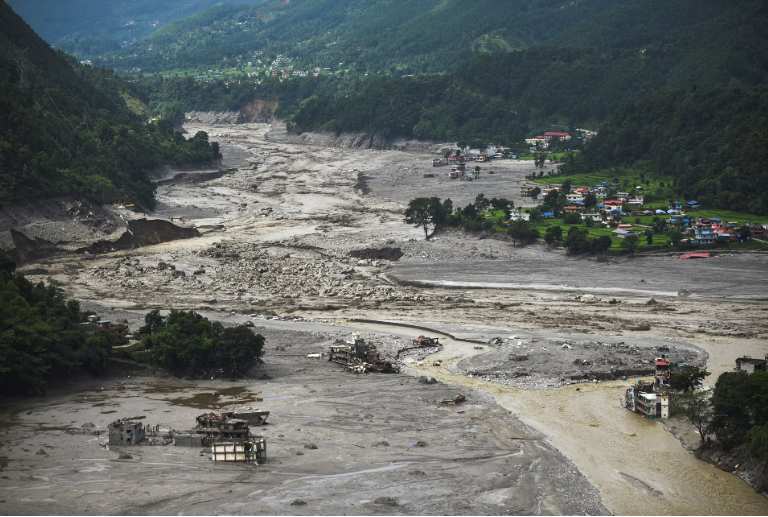
The catastrophic flash floods and debris flows that struck Nepal and Tibet on August 26, 2026, resulting from a massive glacial collapse on Mount Langtang Lirung, have prompted renewed scrutiny over climate resilience and infrastructure safety within the United States. Nepal’s Ministry of Finance formally petitioned the United Nations Fund for Responding to Loss and Damage for twenty million dollars in emergency assistance, citing economic damages surpassing five billion dollars. The disaster destroyed critical hydroelectric facilities, roads, and bridges, leaving over one thousand three hundred people dead and nearly five thousand missing. Environmental experts and federal disaster analysts note that aging American civil engineering and water management systems face analogous threats from intensifying climate volatility, rapid glacial retreat, and extreme hydrological events. Domestic agencies are re-evaluating structural codes to prevent similar catastrophic failures across vulnerable riverine and mountainous regions in the United States.
By Lauren Mitchell | JQJO News
Timeline of Events
- On August 26, 2026, a massive Himalayan glacier collapse triggered catastrophic flash floods.
- On August 27, 2026, initial estimates confirmed hundreds missing, including dozens of foreign nationals.
- On August 28, 2026, the confirmed death toll climbed toward six hundred as rescue operations expanded.
- On August 31, 2026, authorities focused heavily on reaching nine hundred missing hydropower project workers.
- On September 1, 2026, mass burials occurred in Kathmandu while UNDP estimated millions of debris tonnes.
- On September 2, 2026, residents utilized newly installed ziplines to commute across the swollen Trishuli River.
- On September 3, 2026, symbolic funerals were conducted as families mourned victims whose bodies remained missing.
- On September 4, 2026, rescuers successfully pulled two surviving workers alive from a blocked hydropower tunnel.
- On September 7, 2026, Nepal observed an official day of mourning with flags lowered to half-staff.
- On September 8, 2026, international researchers highlighted transboundary infrastructure vulnerabilities applicable to global engineering standards.
- In coming months, international climate bodies will assess structural risk frameworks for vulnerable river networks.
- Over coming years, U.S. municipal engineering codes will likely undergo stricter climate adaptation revisions.
News Intelligence
- Immediate US impact: US civil infrastructure faces urgent climate vulnerability and safety reassessments.
- Possible long-term US impact: Federal engineers will enforce stricter climate-resilient structural codes nationwide.
- Most affected groups: State infrastructure planners, municipal water agencies, and federal emergency departments.
- Reader Priorities: Prioritize official regulatory updates and verified scientific impact assessments.
- Articles Published:
- 26
- Right Leaning:
- 2
- Left Leaning:
- 5
- Neutral:
- 19
- Distribution:
- Left 19%, Center 73%, Right 8%
Left: Highlighted urgent climate accountability and systemic global adaptation funding needs. Center: Focused strictly on casualty numbers, rescue operations, and infrastructure damage. Right: Emphasized regional economic losses and immediate physical engineering constraints.
Himalayan glacier collapse on Mount Langtang Lirung triggered flash floods. https://eos.org/thelandslideblog/26-august-2026-nepal-and-tibet
Coverage of Story:
From Left
Two workers pulled alive from tunnel nine days after Nepal-Tibet floods
The Guardian Al Jazeera The New York Times The Washington Post IndependentFrom Center
Nepal holds a day of mourning after floods kill at least 1,300 people
AP News Reuters Japantimes Indianexpress Indiatimes Britannica Eos Undp Wikipedia Bloomberg CBS News NBC News NPR Politico Time Newsweek The Hindu ANI News The Japan TimesFrom Right
Economic toll of Himalayan floods exceeds billions in damages
The Wall Street Journal Dailymail





Comments