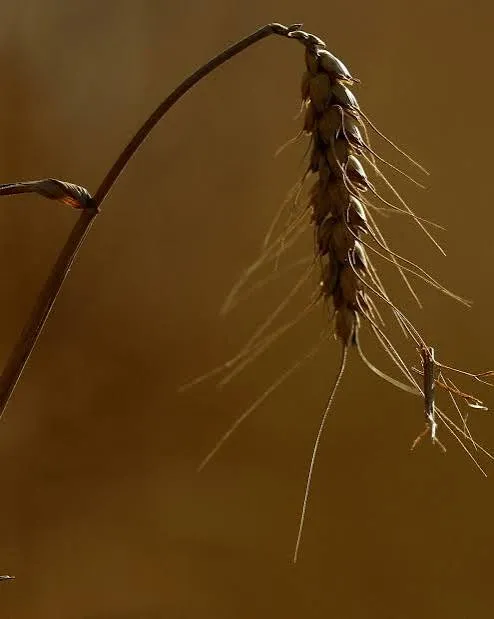
Europe's crops mature earlier due to climate change, data shows
Tap title to read story
European agricultural crops are maturing significantly earlier due to sustained temperature increases and intense heatwaves across the continent throughout 2026. Hermann Greif of the Bavarian farmers union reported that traditional harvest windows have shifted forward by weeks, with maize and cereal collection occurring considerably earlier than historical averages. According to Sebastien Poncelet, senior analyst at Argus, higher temperatures accelerate thermal unit accumulation, driving faster plant development cycles. Concurrently, severe spring and summer droughts have severely degraded harvest quality and output volume. FranceAgriMer recorded that only twenty-seven percent of the French grain maize crop remained in good or excellent condition by late August. France's agriculture ministry forecasted a thirty-five percent production decline compared to the previous year, while independent analysts project output could drop by half to levels not observed since 1976. This widespread climate pressure threatens agricultural yields and disrupts established farming schedules across major European agricultural regions.
More context
Timeline
- On August 31, 2011 FranceAgriMer began recording annual crop condition data across France.
- On May 1, 2026 early summer heatwaves began impacting European regional agricultural zones.
- On August 31, 2026 FranceAgriMer reported record low grain maize crop health conditions.
- On September 4, 2026 Reuters published data regarding accelerated crop maturation timelines in Europe.
- On September 4, 2026 French officials projected severe agricultural drops in domestic grain maize production.
- On September 7, 2026 analysts warned European agricultural outputs may reach historical lows this season.
- On September 7, 2026 climate scientists noted accelerating thermal unit accumulation throughout European growing regions.
- On September 8, 2026 farming unions reported continued logistical disruptions across regional agricultural harvesting schedules.
- European agricultural sectors will experience extended adaptation periods addressing ongoing climate shifts.
- International grain markets will adjust pricing models responding to reduced European production volumes.
- Policymakers will implement new resilience measures protecting vulnerable crop yields from future droughts.
Why it matters
Immediate US impact: Higher food import costs and tightened agricultural supplies affect consumers. Possible long-term US impact: Persistent global food supply chain volatility and increased food prices. Most affected groups: European agricultural producers, grain exporters, and international food commodity investors. Reader priority: Monitor verified meteorological reports and official agricultural market data outputs.
Coverage notes
Left: Highlighted systemic climate risks demanding urgent regulatory emissions policy changes. Center: Reported factual agricultural data regarding accelerated harvest timelines and yields. Right: Emphasized economic pressures and commercial impacts facing local agricultural producers.
Primary report
Reuters reported early European crop maturation caused by climate change.
Sources
- Le Monde
- El País
- The Independent
- Haaretz
- Toronto Star
- Reuters
- Global Banking and Finance Review
- Clean Energy Wire
- Energy News ODigital
- The Economic Times
- 93.3 The Drive
- Wall Street Journal
- Financial Times
- Bloomberg
- Politico Europe
- Euronews
- Reuters UK
- AgroPages
- World Grain
- Successful Farming
- AgTechNavigator
- Euractiv
- Sky News
- Reuters Canada
- Reuters Latin America
- The Western Producer
- Farm Progress
- CropLife
- Agriland
- Reuters Asia
- Bloomberg Green
- CBC News
- NPR
- Euronews Green
- The Straits Times
- Japan Times
- The Hill
- Politico US
- Axios
- Quartz
- Forbes
- The Times
- The Western Journal
JQJO Editorial Desk · Human reviewed · AI assisted. Report a correction.