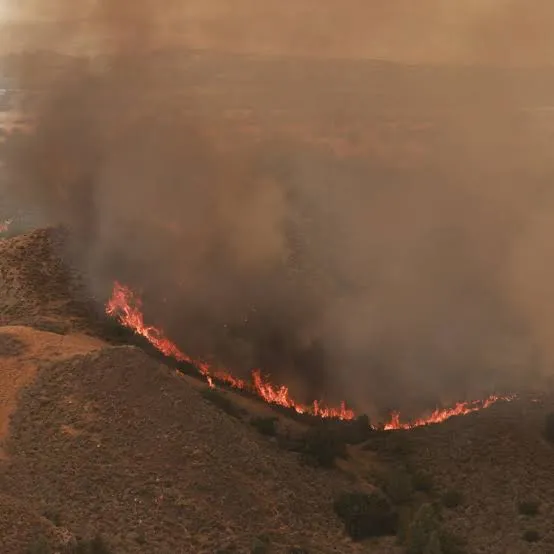
Australia braces for its own fire season after sweltering European summer
Tap title to read story
Australian emergency services are preparing for an elevated wildfire risk as the southern hemisphere enters warmer months, driven by an active El Nino pattern. Following a devastating European summer marked by record-breaking heatwaves and severe blazes, officials in New South Wales are on heightened alert. Trent Curtin of the New South Wales Rural Fire Service noted that extraordinary northern hemisphere conditions indicate potential challenges ahead. Australia has a long history of managing major fire events, notably the catastrophic 2019 to 2020 Black Summer blazes. To mitigate risks, forestry management teams are actively conducting controlled hazard reduction burns to clear dry vegetation near populated regions. Peak fire danger typically commences in mid-October across northern New South Wales and extends into December for southern areas. While authorities remain alert rather than alarmed, officials emphasize rigorous preparedness as dry and hot weather patterns persist throughout the upcoming seasonal outlook period.
More context
Timeline
- On Sep 8 2019, Australian firefighters monitored early seasonal dryness across New South Wales regions.
- On Sep 8 2020, recovery efforts continued following extensive historical seasonal wildfire disasters.
- On Sep 8 2021, authorities evaluated seasonal climate models during transitioning weather patterns.
- On Sep 8 2022, local agencies coordinated controlled hazard reduction burns ahead of summer.
- On Sep 8 2023, forestry officials reviewed historical meteorological records regarding regional precipitation.
- On Sep 8 2024, emergency response teams prepared operational resources for anticipated dry conditions.
- On Sep 8 2025, climate researchers analyzed global temperature anomalies affecting southern weather cycles.
- On Sep 8 2026, Australian officials announced heightened alert statuses for upcoming seasonal wildfires.
- On Sep 8 2026, crews executed controlled hazard reduction burns north of Sydney.
- On Oct 15 2026, peak fire danger will officially begin in northern New South Wales.
- On Dec 1 2026, peak fire danger season will commence across southern New South Wales.
- On January 15 2027 In early 2027, emergency services will evaluate seasonal wildfire suppression and impact metrics.
Why it matters
Immediate US impact: Elevated global wildfire awareness highlights domestic emergency resource allocation needs. Possible long-term US impact: Sustained global warming patterns intensify long-term international emergency preparedness requirements. Most affected groups: Emergency services, forestry agencies, and vulnerable Australian regional communities. Reader priority: Prioritize verified meteorological updates and official emergency service safety bulletins.
Coverage notes
Left: Emphasizes climate change urgency driving extreme global wildfire conditions. Center: Focuses on meteorological factors, official warnings, and seasonal emergency preparations. Right: Highlights practical emergency management, hazard reduction burns, and community vigilance.
Primary report
Reuters published report on Australian bushfire preparedness on September 8 2023.
Sources
JQJO Editorial Desk · Human reviewed · AI assisted. Report a correction.