San Diego Tijuana Sewage Crisis
Tap title to read story
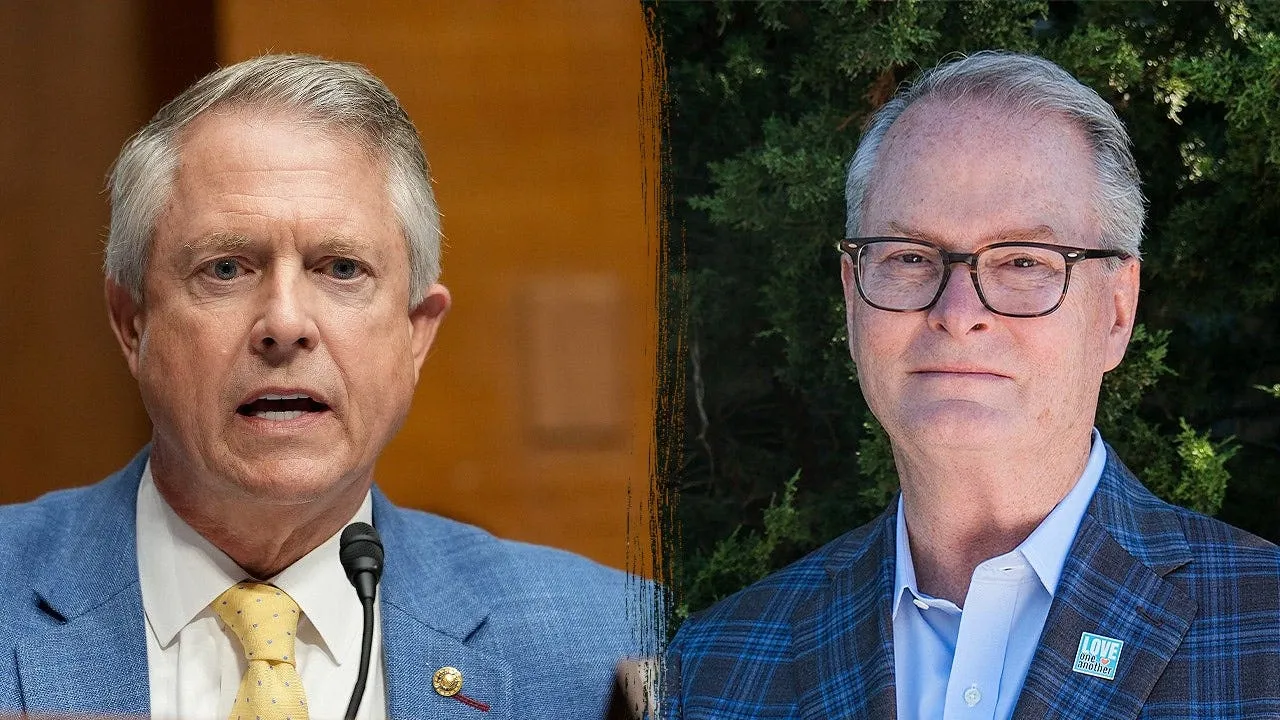
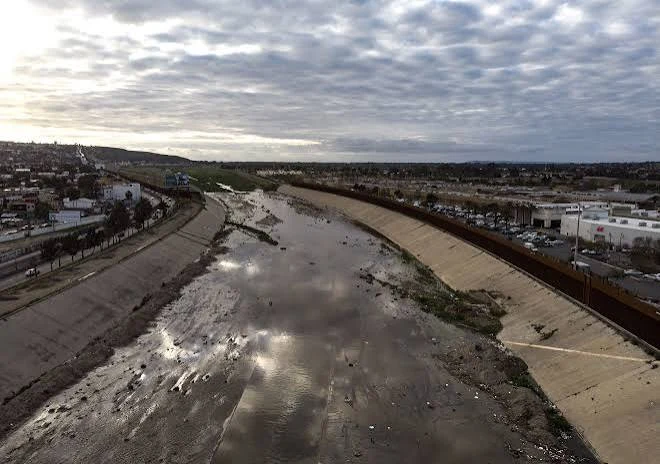
San Diego County supervisors voted to allocate one point eight million dollars for a feasibility study to explore constructing a domestic sewage treatment system on the United States side of the border. Spearheaded by Supervisors Paloma Aguirre and Terra Lawson-Remer, the initiative aims to address decades of chronic wastewater contamination flowing from the Tijuana River into local communities, including popular beaches in Coronado. Millions of gallons of raw sewage and toxic runoff regularly breach the border, triggering widespread closures and elevating airborne hydrogen sulfide gas levels. Proponents argue local intervention is necessary after sixty years of federal inaction and unfulfilled international promises. Conversely, dissenting Supervisor Joel Anderson warned the infrastructure could ultimately cost billions of dollars, placing an undue financial burden on county taxpayers rather than federal or Mexican authorities. The county plans to spend eighteen months evaluating treatment options to protect residents and coastal environments.
More context
Timeline
- 1964 — Federal promises began regarding cross-border Tijuana River sewage pollution issues.
- 2024 — Severe beach closures extended north into popular Coronado coastal destinations.
- 2025 — Researchers detected airborne hydrogen sulfide gas reaching dangerous urban levels.
- 2026 — County officials distributed free air purifiers to affected South Bay households.
- On September 2 2026 San Diego County supervisors voted to pursue a treatment system.
- On September 2 2026 Supervisors approved one point eight million dollars for feasibility studies.
- On September 2 2026 Supervisor Joel Anderson warned the project risks billions in costs.
- On September 2 2026 Proponents emphasized local action because federal solutions remain absent.
- On September 2 2026 County leaders initiated an eighteen-month evaluation timeline for options.
- On September 2 2026 Planning commenced for U.S.-side infrastructure to protect local coastlines.
Why it matters
Immediate US impact: Immediate health warnings and beach closures impact southern California communities. Possible long-term US impact: Potential multibillion-dollar local infrastructure costs and permanent coastline environmental protection. Most affected groups: San Diego County residents, South Bay communities, local businesses, and government agencies. Reader priority: Prioritize local investigative reporting and official county environmental health updates.
Coverage notes
Left: Emphasize environmental justice, public health protection, and community advocacy. Center: Focus strictly on board votes, costs, timelines, and infrastructure logistics. Right: Highlight federal responsibility, fiscal conservatism, and skepticism regarding local tax burdens.
Primary report
San Diego County board voted to fund sewage study on September 2, 2026.
Sources
- San Francisco Chronicle
- The New York Times
- KPBS
- Times of San Diego
- Coronado Times
- The Coronado News
- San Diego Red
- CBS 8 San Diego
- Fox 5 San Diego
- NBC 7 San Diego
- The Sacramento Bee
- The Fresno Bee
- Reuters
- Politico
- The Hill
- National Public Radio
- USA Today
- Bloomberg
- Washington Post
- Time Magazine
- Newsweek
- Telemundo San Diego
- San Diego Metropolitan Magazine
- In The San Diego News
- Axios San Diego
- San Diego Reader
- The Center Square
- Wall Street Journal
- kpbs.org
JQJO Editorial Desk · Human reviewed · AI assisted. Report a correction.