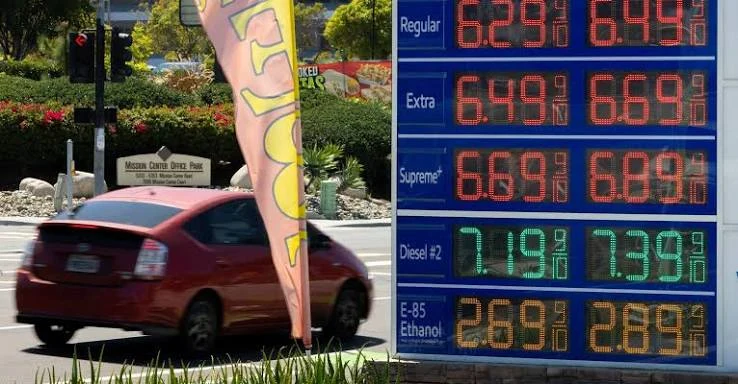
Americans hit with record-high Labor Day Weekend gasoline prices
Tap title to read story
American drivers face record-high gasoline prices over the Labor Day holiday weekend, driven by surging crude oil costs and constrained fuel inventories. The national average gasoline price reached $4.13 per gallon, surpassing previous records for late-summer travel periods. Analysts attribute the price spikes to ongoing geopolitical tensions affecting global crude supplies, coupled with high domestic refinery utilization rates and elevated export levels. Consumers across the country report scaling back travel plans and altering daily routines to cope with the increased transportation expenses. Persistent fuel inflation has also elevated costs for alternative transport modes, including air travel and diesel-dependent logistics. Political stakeholders face intense scrutiny as pump prices remain a visible indicator of broader economic pressures heading into the midterm election cycle. Economists warn that constrained production capacity leaves little immediate room for relief in retail fuel markets.
More context
Timeline
- On September 5, 2012, previous record gasoline price of $3.83 was set nationwide.
- On August 14, President Trump addressed public willingness to pay more.
- On September 1, 2026, national average gasoline price stood at $4.13 per gallon.
- On September 2, 2026, U.S. gasoline inventories fell to 205.7 million barrels.
- On September 3, 2026, crude oil prices jumped back over $90 per barrel.
- On September 4, 2026, GasBuddy analysts projected a $4.03 average for Labor Day.
- On September 5, 2026, Americans encountered record fuel costs during holiday travel.
- On September 6, 2026, drivers continued adjusting commuting habits due to expenses.
- In coming months, midterm elections will reflect voter sentiment on energy.
- In coming years, refining capacity adjustments may stabilize retail fuel costs.
Why it matters
Immediate US impact: Immediate consumer financial strain increases household budget pressures across America. Possible long-term US impact: Sustained high energy costs could influence broader macroeconomic inflationary trends. Most affected groups: American commuters, logistics workers, and holiday travelers experience acute financial impact. Reader priority: Readers should monitor updates from official energy administration data releases.
Coverage notes
Left: Highlight corporate profiteering and regulatory failures in energy markets. Center: Report objective market data, crude prices, and consumer travel impacts. Right: Emphasize geopolitical supply disruptions and criticisms of administration policies.
Primary report
Reuters published report on record Labor Day gasoline prices today.
Sources
- Islam Times
- Washington Post
- New York Times
- San Francisco Chronicle
- Reuters
- The Express Tribune
- Dawn
- WTVB
- WTAQ
- US News & World Report
- Wall Street Journal
- Bloomberg
- MarketWatch
- USA Today
- Politico
- The Hill
- Forbes
- Time
- Investopedia
- Chicago Tribune
- Houston Chronicle
- Miami Herald
- The Seattle Times
- Dallas Morning News
- Phoenix Business Journal
- Detroit News
- Star Tribune
- The Oregonian
- Cleveland.com
- Pittsburgh Post-Gazette
- Orlando Sentinel
- Baltimore Sun
- Sacramento Bee
- Kansas City Star
- Indianapolis Star
- Charlotte Observer
- Raleigh News & Observer
- Columbus Dispatch
- Milwaukee Journal Sentinel
- Des Moines Register
- Louisville Courier Journal
- Tulsa World
- The Oklahoman
- The Tennessean
- Washington Times
- Daily Mail
- Las Vegas Review-Journal
JQJO Editorial Desk · Human reviewed · AI assisted. Report a correction.