UC San Diego Scientists Expand DNA to Eight Letters
Tap title to read story
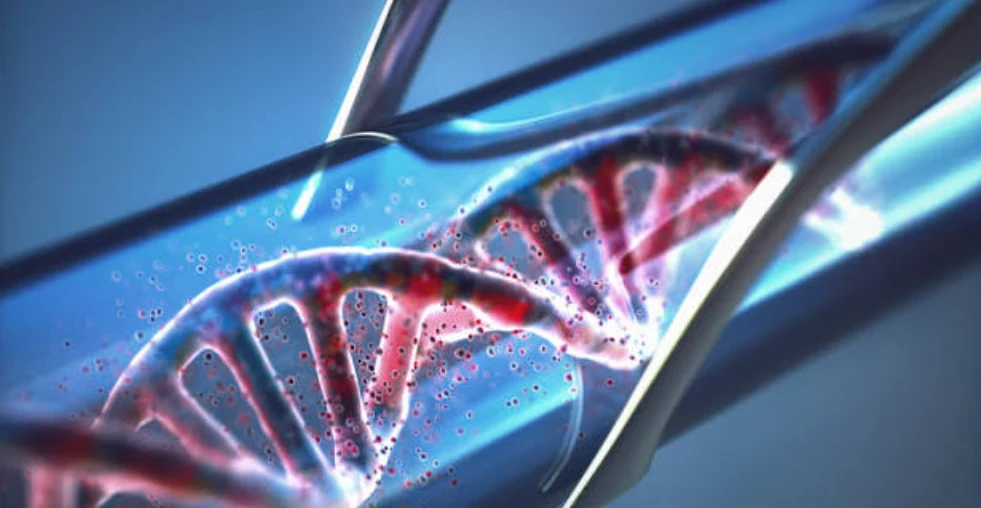
Researchers at the University of California San Diego have demonstrated that cellular RNA polymerase can accurately read and transcribe an eight-letter genetic alphabet, doubling the four natural building blocks used by all known life. Led by professor Dong Wang, the team combined biochemical experiments with high-resolution cryo-electron microscopy to image Escherichia coli bacterial enzymes processing synthetic DNA letters. The findings reveal that RNA polymerase recognizes and incorporates synthetic base pairs using the same structural signals as natural DNA. This compatibility enables natural cellular machinery to transcribe expanded genetic information without failure. Previously, the same research group reported that cellular RNA polymerase can recognize synthetic base pairs lacking hydrogen bonds entirely. By detailing how enzymes transcribe non-natural DNA, the study establishes a molecular foundation for future medical and technological applications, including next-generation diagnostics, targeted cancer therapeutics, and custom-engineered biological systems designed to produce compounds not found in nature.
Timeline
- On January 15, 2019, scientists introduced the eight-letter hachimoji DNA system.
- On August 12, 2026, researchers published findings on hydrogen-free base pairs.
- On September 2, 2026, the primary eight-letter transcription study was published.
- On September 5, 2026, findings on cellular enzyme capabilities gained broad attention.
- On September 5, 2026, academic groups analyzed broad biotechnology applications.
- On September 5, 2026, researchers planned future cellular synthetic transcription tests.
- In coming months, teams will test synthetic transcription inside living cells.
- In coming years, developers will target enhanced data storage applications.
- By 2030, researchers aim to advance novel cancer therapeutics using code.
- By 2035, custom biological systems may utilize expanded synthetic genetic alphabets.
Sources
JQJO Editorial Desk · Human reviewed · AI assisted. Report a correction.