Get to Know Your Phone’s Built-In Emergency Kit
Tap title to read story
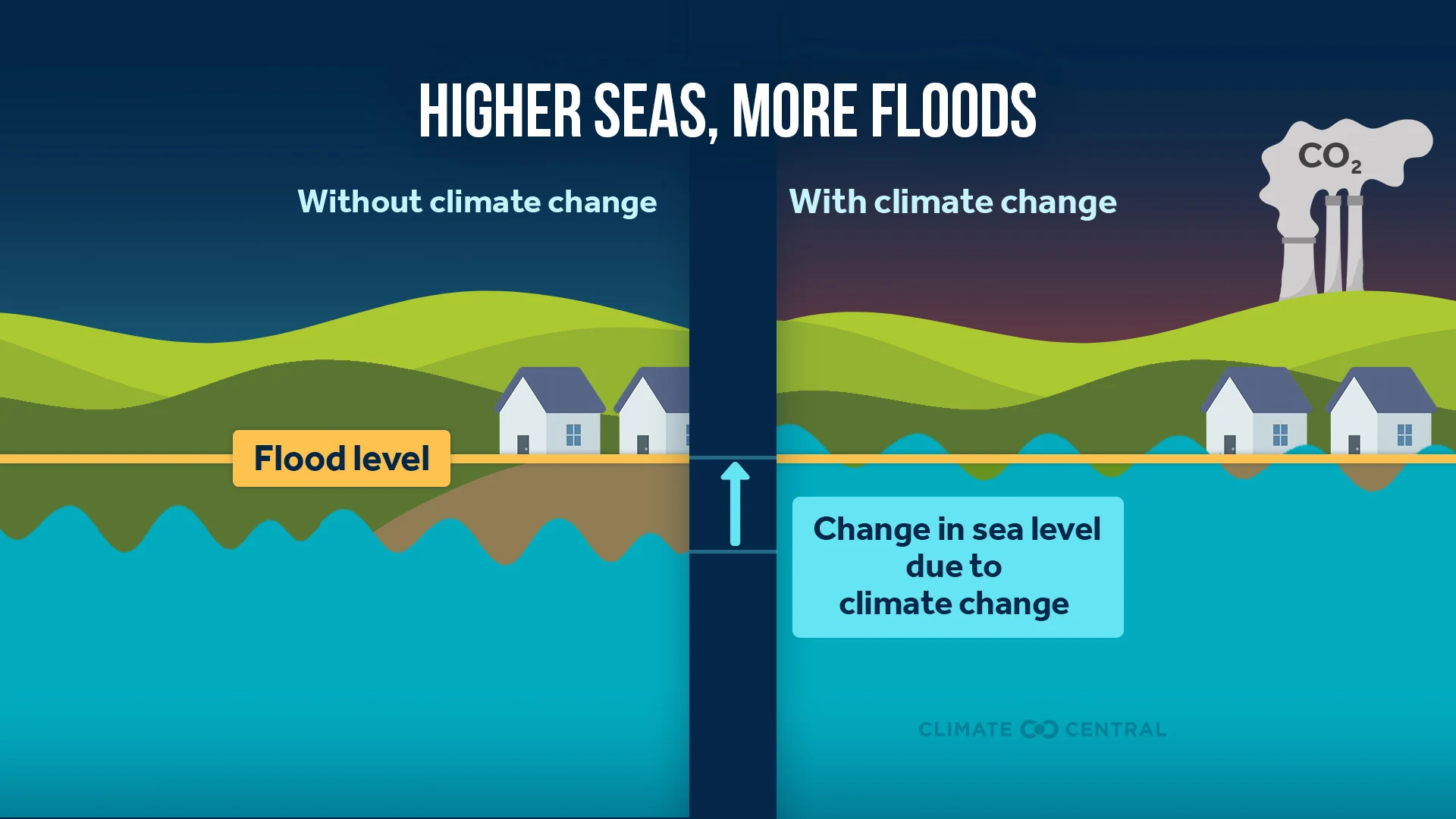
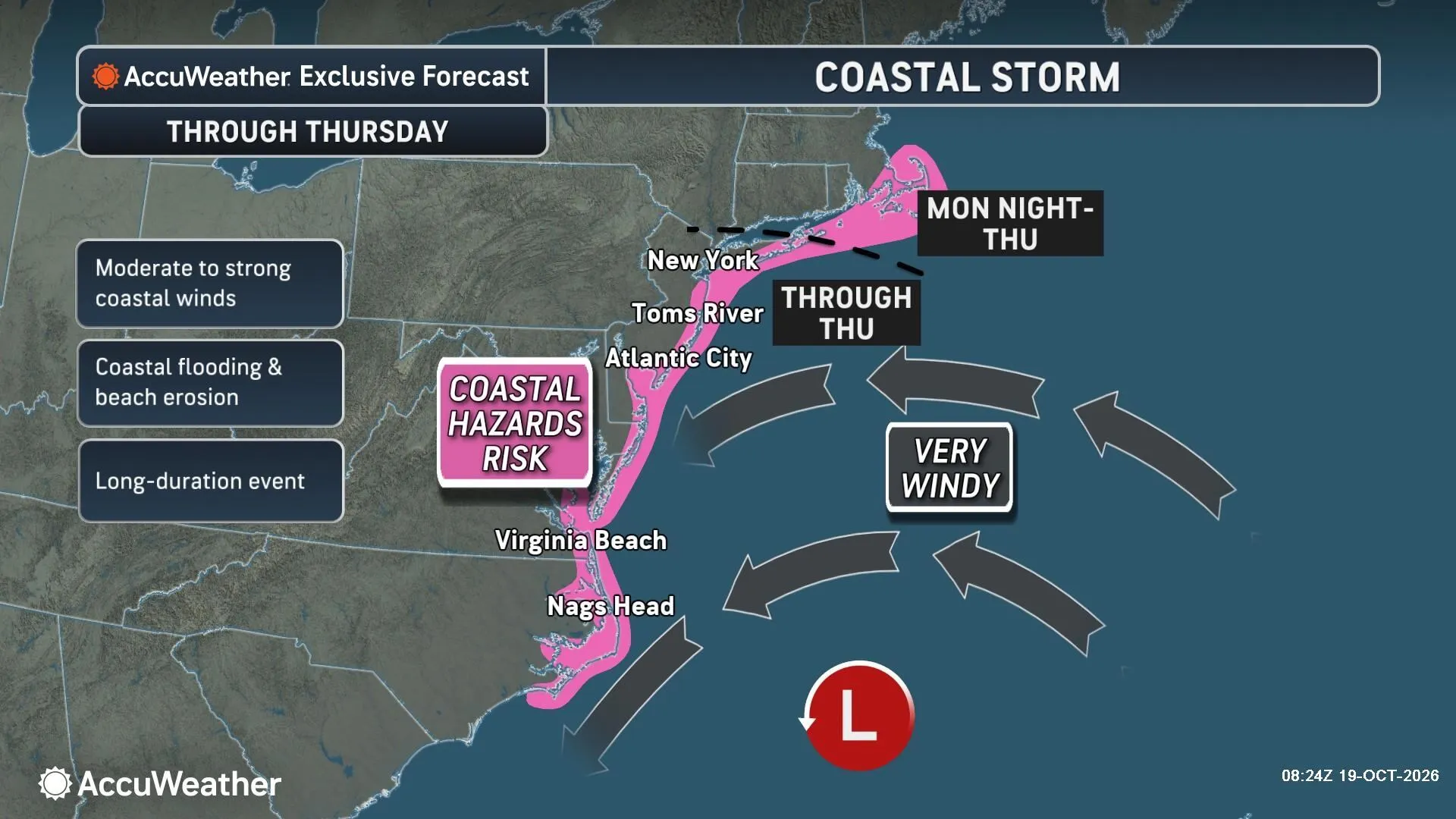
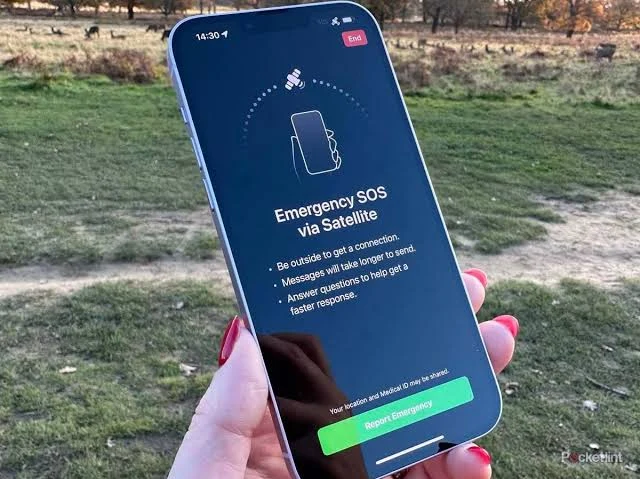
Modern mobile operating systems increasingly incorporate built-in safety features designed to assist users during critical situations without requiring third-party applications. Leading hardware manufacturers and operating system developers now embed comprehensive emergency response menus directly into core device settings. These integrated toolkits typically include automated collision detection, satellite communication options for remote areas without cellular coverage, and pre-configured medical identification profiles accessible to first responders. Furthermore, devices natively interface with government-issued wireless emergency alerts to broadcast urgent notifications regarding severe weather hazards, flash floods, and seismic activity. Regional early earthquake warning systems utilize both dedicated institutional sensor networks and crowdsourced accelerometer data from millions of active handsets to provide advance notice before shaking begins. Users can configure these safety preferences directly within device configuration menus by enabling location sharing, emergency contact lists, and government notification broadcasts to enhance personal preparedness and response times during unexpected emergencies.
Timeline
- On January 1, 2020, Google introduced personal safety application features for android operating systems.
- On September 15, 2022, Apple launched satellite connectivity capabilities for emergency messaging services.
- On October 1, 2023, regional earthquake early warning systems expanded across western states.
- On November 15, 2024, wireless emergency alert controls updated across major mobile platforms.
- On January 10, 2025, smartphone manufacturers standardized safety menus within core device settings.
- On February 20, 2025, emergency contact sharing protocols received expanded hardware sensor integration.
- On March 5, 2026, government agencies updated wireless emergency alert broadcast transmission protocols.
- On April 12, 2026, crowdsourced seismic detection networks integrated new accelerometer data filtering algorithms.
- On May 18, 2026, mobile developers released enhanced user interface guides for safety menus.
- On June 4, 2026, technology analysts reviewed native emergency toolkit adoption rates globally.
Sources
JQJO Editorial Desk · Human reviewed · AI assisted. Report a correction.