House Rejects GOP Constitutional Amendment to Limit Supreme Court to Nine Justices
Tap title to read story
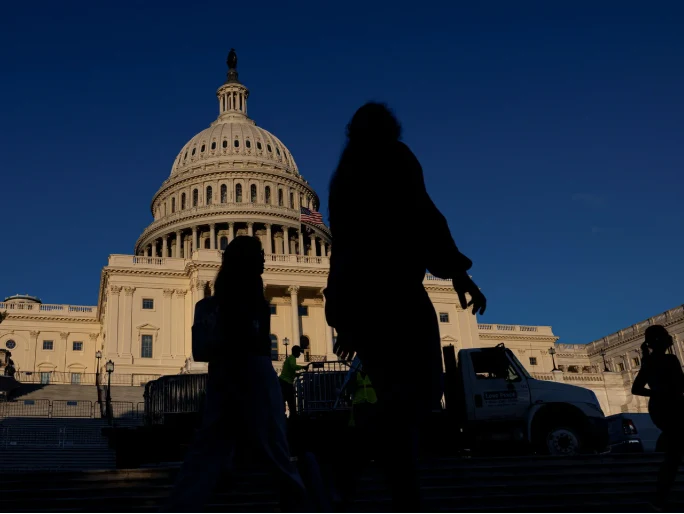
The United States House of Representatives rejected a Republican-backed constitutional amendment that sought to permanently cap the Supreme Court at nine justices. The joint resolution failed in a 212 to 206 vote, falling short of the two-thirds supermajority required to advance a constitutional amendment. Representative Andy Biggs of Arizona sponsored the measure, arguing that a permanent size limit would prevent future majorities from altering the bench. The vote followed party lines, with Representative Don Davis of North Carolina as the sole Democrat voting in favor, while independent Representative Kevin Kiley voted against it. Republican leaders framed the vote as a necessary defense of judicial integrity against Democratic proposals to expand the court. Democratic opponents countered that the amendment would strip Congress of constitutional powers under Article I and lock in a conservative majority. Amending the Constitution requires two-thirds approval in both chambers and ratification by three-fourths of state legislatures.
More context
Timeline
- On Sep 6, 1789, the Judiciary Act established six justices initially.
- On Mar 3, 1837, Congress increased the court size to nine justices.
- On Mar 3, 1863, Congress expanded the total seats to ten justices.
- On Jul 23, 1866, legislation reduced maximum future seats to seven.
- On Apr 10, 1869, Congress finalized the nine-seat structure active today.
- On Feb 5, 1937, President Franklin Roosevelt proposed expanding the court size.
- On Apr 21, 2021, Democratic lawmakers introduced legislation proposing 13 justices.
- On Sep 2, 2026, the House voted 212-206 against the amendment.
- On Sep 3, 2026, congressional leadership exchanged public statements regarding the vote.
- On Nov 3, 2026, upcoming midterm elections will determine control of Congress.
Why it matters
Immediate US impact: The vote highlights partisan battles over the judiciary before midterms. Possible long-term US impact: Future congressional majorities may revive court expansion or capping debates. Most affected groups: Federal lawmakers, congressional committees, and political campaign strategists are affected. Reader priority: Voters should monitor congressional floor debates and official legislative records.
Coverage notes
Left: Framing emphasizes preventing conservative lock-in and safeguarding legislative expansion options. Center: Framing reports numerical vote totals, procedural hurdles, and partisan messaging context. Right: Framing emphasizes stopping court packing and defending nine-seat judicial tradition.
Primary report
House voted on constitutional amendment capping Supreme Court size on September 2.
Sources
JQJO Editorial Desk · Human reviewed · AI assisted. Report a correction.