Finding a job after prison comes with extra challenges. Here are ways to overcome them
Tap title to read story
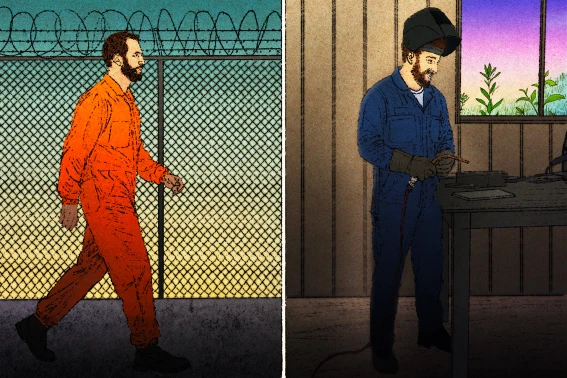
Formerly incarcerated Americans face barriers when seeking work, including screening, licensing restrictions, parole requirements and housing instability. An AP report published Sept. 3, 2026, profiles Don Christian, who served 23 years after a drug-sale conviction at 19 and found welding work through Toyotetsu’s second-chance hiring program. Reentry specialists interviewed by AP recommend developing education and vocational skills, using prison work experience on resumes, contacting networks and seeking employers that intentionally hire people with records. The U.S. Department of Education confirms that eligible incarcerated students can receive Pell Grants through approved prison education programs beginning July 1, 2023. Vera Institute research reports participants in prison college programs have 48% lower odds of returning to prison, although that finding is an association rather than proof education alone causes lower recidivism. AP also describes former inmates who disclosed their histories and adapted workplace routines after release. The report presents reentry as challenging overall.
Timeline
- On Dec. 1, 2014, advocates documented employment barriers for recordholders.
- On Dec. 27, 2020, Congress restored eligibility for incarcerated students.
- On March 29, 2023, Education Department issued Pell eligibility guidance.
- On July 1, 2023, Pell access began through prison programs.
- On Sept. 30, 2024, Education updated prison program application guidance.
- On Feb. 26, 2026, TPR previewed Bexar County’s job fair.
- On April 16, 2026, San Antonio highlighted Toyotetsu’s second-chance hiring.
- On April 30, 2026, manufacturers discussed second-chance hiring as strategy.
- On Sept. 3, 2026, AP published profiles of returning workers.
- 2027+ — By 2027, expanded prison education could broaden reentry pathways nationwide.
Sources
JQJO Editorial Desk · Human reviewed · AI assisted. Report a correction.