When do infections lead to long COVID? Scientists close in on triggers and treatments for post-viral syndromes
Tap title to read story
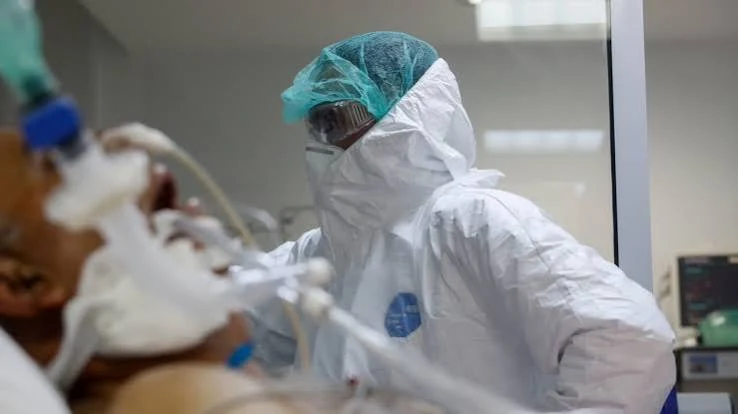
Researchers investigating post-acute infection syndromes report significant progress in identifying biological triggers and evaluating experimental treatments for conditions such as long COVID and myalgic encephalomyelitis/chronic fatigue syndrome, which affect an estimated four hundred million individuals worldwide. Historically dismissed as psychosomatic, these chronic illnesses have gained medical recognition and increased research funding following the coronavirus pandemic. Scientists have mapped multiple underlying mechanisms, including immune dysfunction, autoantibodies, viral persistence in hidden reservoirs, and cellular damage affecting autonomic nervous systems and mitochondrial function. Because post-infection syndromes exhibit diverse subtypes, clinical trials are evaluating specialized therapies, including pathogen-clearing antivirals and treatments designed to deplete autoantibody-producing cells. While no single cure exists, ongoing investigations aim to deliver targeted interventions for patients suffering from long-term post-viral symptoms across various medical fields.
Timeline
- On January 1 2020 Initial global coronavirus outbreaks began spreading across international borders.
- On March 11 2020 World Health Organization declared the coronavirus outbreak a pandemic.
- On October 15 2020 Early patient advocacy groups highlighted persistent chronic post-viral illness symptoms.
- On June 1 2021 Federal agencies allocated initial funding for long COVID research studies.
- On January 10 2023 Researchers identified potential viral persistence reservoirs within human tissues.
- On June 5 2024 Clinical trials began testing targeted autoantibody depletion therapies.
- On September 2 2026 Scientists published updated findings on viral persistence and experimental treatments.
- On September 2 2026 Freshness search confirmed no newer material developments regarding this research.
- On January 15 2027 Researchers anticipate publishing broader clinical trial results for antiviral combinations.
- On June 1 2028 Medical specialists expect refined diagnostic criteria for post-viral syndromes.
Sources
JQJO Editorial Desk · Human reviewed · AI assisted. Report a correction.