Tehran urges return to June deal, oil prices rise as Trump vows to hit Iran ‘hard’
Tap title to read story
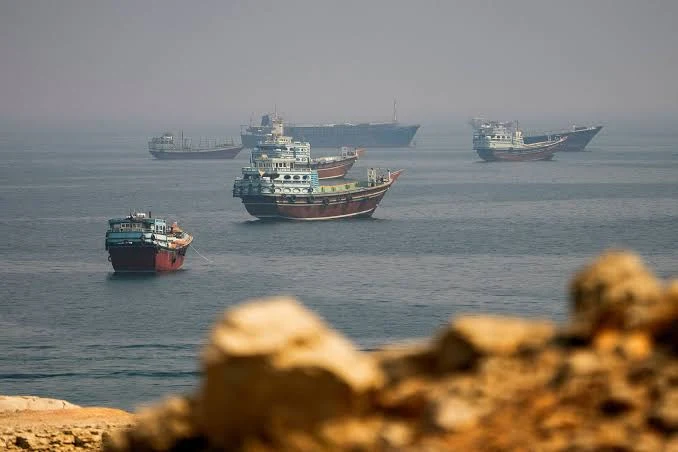
Global energy markets reacted sharply as oil prices surged past ninety dollars per barrel following renewed military strikes between the United States and Iran in the Strait of Hormuz. A commercial tanker sustained damage from three unknown projectiles near the Omani coast, while Iran’s Islamic Revolutionary Guard intercepted an American MQ-9 drone. The escalation began after United States forces targeted Iranian rocket launchers on Larak Island to prevent suspected sea mine deployments, prompting retaliatory Iranian attacks on American military bases in Jordan. President Donald Trump vowed a strong response, while Iranian President Masoud Pezeshkian conditioned potential de-escalation on Washington returning to commitments under a previous interim agreement. Treasury Secretary Scott Bessent emphasized that new secondary economic sanctions are intentionally squeezing the Iranian economy. Analysts note the latest exchanges highlight enduring maritime vulnerabilities, persistent geopolitical tensions, and ongoing economic warfare affecting international crude supplies and financial markets worldwide.
Timeline
- On June 2026, interim diplomatic agreement between Washington and Tehran was signed.
- On Sunday, American forces targeted Iranian rocket launchers on Larak Island.
- On Monday, tanker struck by three unknown projectiles near Omani coast.
- On Monday, Iran intercepted American MQ-9 drone over Strait Hormuz.
- On Monday, Iran attacked two American military bases in Jordan.
- On Monday, President Donald Trump vowed strong military response against Iran.
- On Tuesday, Brent crude oil prices surged past ninety dollars.
- On Tuesday, President Pezeshkian conditioned de-escalation on returning to June deal.
- On Tuesday, Treasury Secretary Bessent defended secondary economic sanctions against Iran.
- On October 1 2026 In coming months, continued maritime disruptions will elevate global energy prices.
- On January 1 2027 In coming years, economic sanctions will further strain Iranian state finances.
- On June 1 2027 In future negotiations, diplomatic stalemates may trigger additional regional military skirmishes.
Sources
JQJO Editorial Desk · Human reviewed · AI assisted. Report a correction.