Supreme Court Allows Continuation of $400M White House Ballroom Construction
Tap title to read story
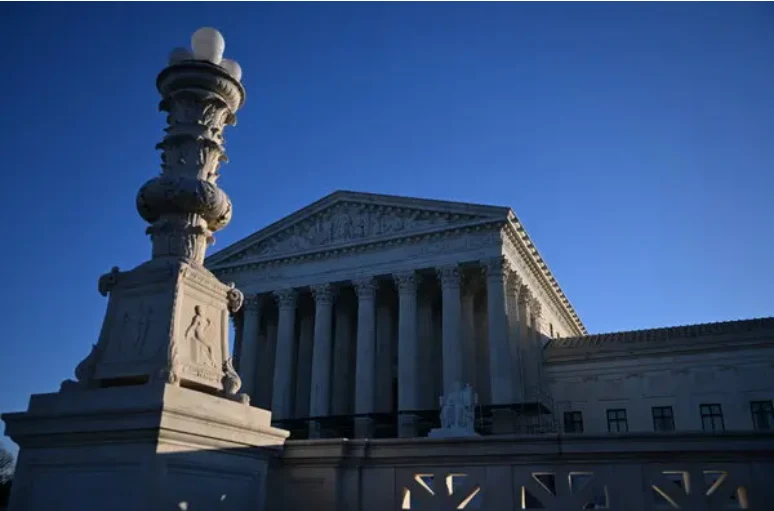
A divided United States Supreme Court voted five to four on Monday to allow the Trump administration to continue construction on a four hundred million dollar White House ballroom project. The high court decision lifted lower court orders that had previously halted above ground work on the controversial development. The legal battle was initiated by the National Trust for Historic Preservation, which argued that President Donald Trump lacked unilateral authority to execute the project, involving the demolition of the historic East Wing. In an unsigned opinion, the majority concluded that the preservationist group lacked legal standing to bring the lawsuit. Chief Justice John Roberts joined the three liberal justices in dissent, arguing the construction violated legislative separation of powers. Administration officials maintained the project relies primarily on private donations and is vital for security. Construction crews continue working around the clock as the legal battles proceed through federal lower courts.
More context
Timeline
- On August 14, 2026: the administration filed emergency stay requests with the supreme court.
- On August 18, 2026: preservationists urged the high court to block ongoing construction work.
- On April 15, 2026: a federal judge ordered all aboveground ballroom construction halted immediately.
- On May 22, 2026: appeals court judges upheld lower court restrictions on the project.
- On September 1, 2026: the supreme court allowed white house ballroom construction to resume.
- On September 1, 2026: construction crews continued working twenty hour daily shifts around clock.
- On September 1, 2026: chief justice roberts issued a strong dissenting opinion with liberals.
- In November 2026: workers expect to complete the main white house ballroom framework.
- In April 2027: builders plan to finish exterior building facade components next year.
- In August 2028: the administration schedules final total project completion for this date.
Why it matters
Immediate US impact: Construction resumes immediately while ongoing federal legal battles proceed forward. Possible long-term US impact: Precedent could expand unilateral executive branch authority over federal property. Most affected groups: Preservationists, federal courts, executive branch agencies, and taxpayers across America. Reader Priorities: Monitor official supreme court filings and upcoming lower federal court updates.
Coverage notes
Left: Outlines constitutional overreach and risks to historic preservation laws and norms. Center: Focuses strictly on the five to four Supreme Court decision. Right: Emphasizes executive authority, private funding success, and vital national security needs.
Primary report
September 1, 2026: Supreme Court lifts lower court construction orders.
Sources
- CNN
- The New York Times
- Washington Post
- NBC News
- The Guardian
- Los Angeles Times
- Boston Globe
- San Francisco Chronicle
- Associated Press
- WION
- The Hill
- Reuters
- Politico
- Bloomberg
- CBS News
- ABC News
- USA Today
- Axios
- Newsweek
- Time
- Forbes
- BBC News
- United Press International
- Chicago Tribune
- Dallas Morning News
- Miami Herald
- National Public Radio
- Fox News
- Wall Street Journal
JQJO Editorial Desk · Human reviewed · AI assisted. Report a correction.