Apple alleges OpenAI employee accessed circuit plans after joining startup
Tap title to read story
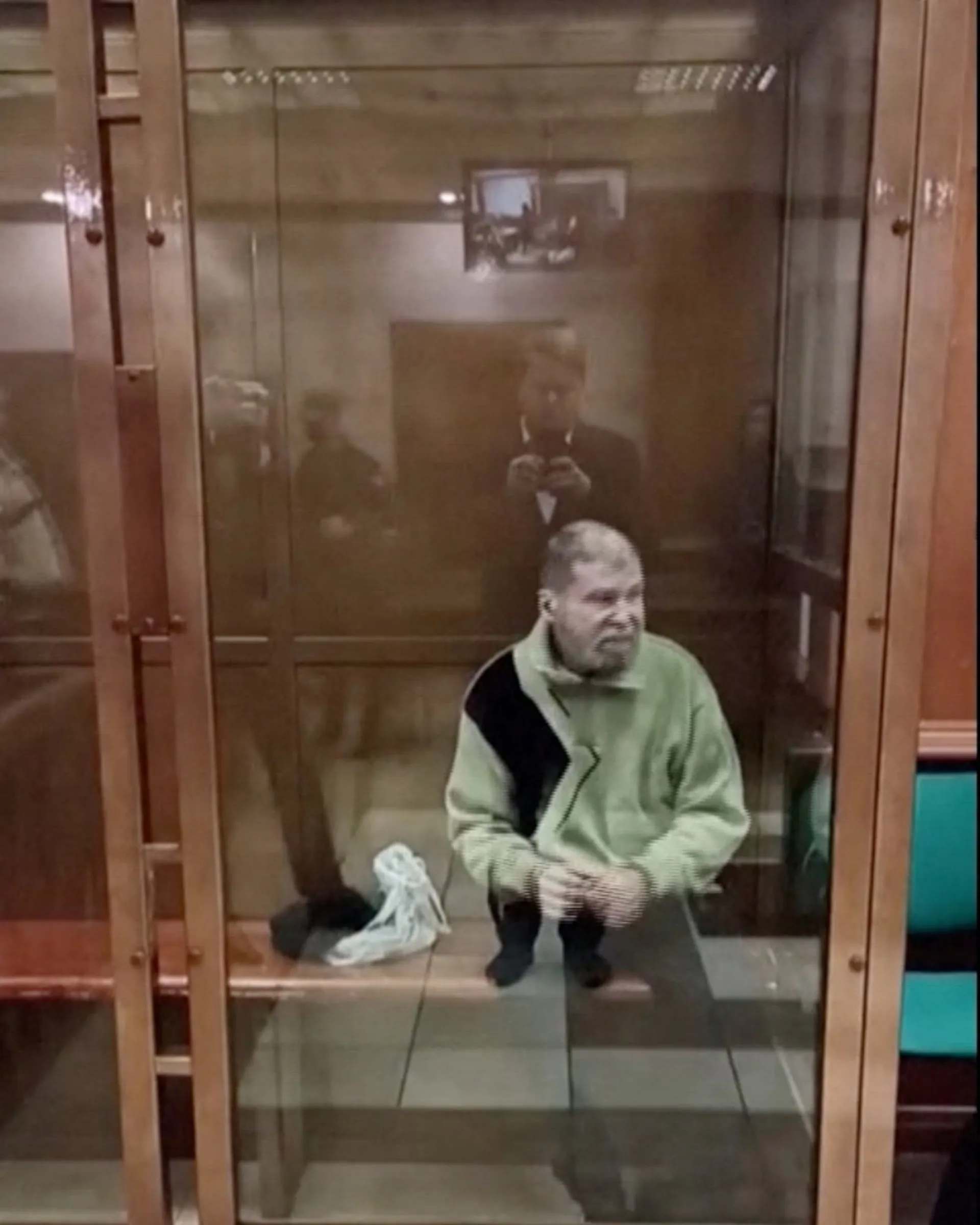
Apple has presented new evidence in its trade-secret lawsuit against OpenAI, alleging former Apple engineer Chang Liu accessed and used a confidential power-converter circuit schematic after joining the artificial-intelligence company. In a filing dated August 31 in the U.S. District Court for the Northern District of California, Apple said forensic examination of a MacBook provided on August 21 found an Apple trade-secret file that had been used while Liu worked at OpenAI. Apple said Liu used the schematic in March for circuit simulations and described an AI agent that could operate LTspice and review results. The company is seeking expedited discovery, arguing the findings warrant faster access to documents and testimony. OpenAI has asked the court to dismiss the lawsuit and denied wrongdoing, saying it does not possess or want Apple’s trade secrets. No court has determined that Liu or OpenAI misappropriated Apple information, and Apple’s forensic investigation remains incomplete.
Timeline
- On July 10, 2026, Apple sued OpenAI alleging trade-secret misappropriation.
- On July 23, 2026, Apple’s lawsuit was reassigned to judge.
- On August 3, 2026, OpenAI publicly rejected Apple’s allegations.
- On August 4, 2026, Apple sought preliminary injunction and discovery.
- On August 6, 2026, OpenAI asked court to dismiss lawsuit.
- On August 21, 2026, Liu’s lawyers delivered MacBook for examination.
- On August 26, 2026, Apple’s forensic expert began reporting findings.
- On August 31, 2026, Apple filed new evidence supporting discovery.
- On September 4, 2026, defendants are scheduled to respond formally.
- On October 1, 2026, expedited-discovery hearing is scheduled before Davila.
- Future scenario: The court could authorize accelerated discovery before October’s hearing.
- Future scenario: Further forensic examination may identify additional files or devices.
- Future scenario: OpenAI may contest Apple’s interpretation of forensic evidence.
- Future scenario: Litigation could influence employee data-handling practices across technology companies.
Sources
JQJO Editorial Desk · Human reviewed · AI assisted. Report a correction.