‘We better not blow it’: Both parties are fighting to win over working class voters
Tap title to read story
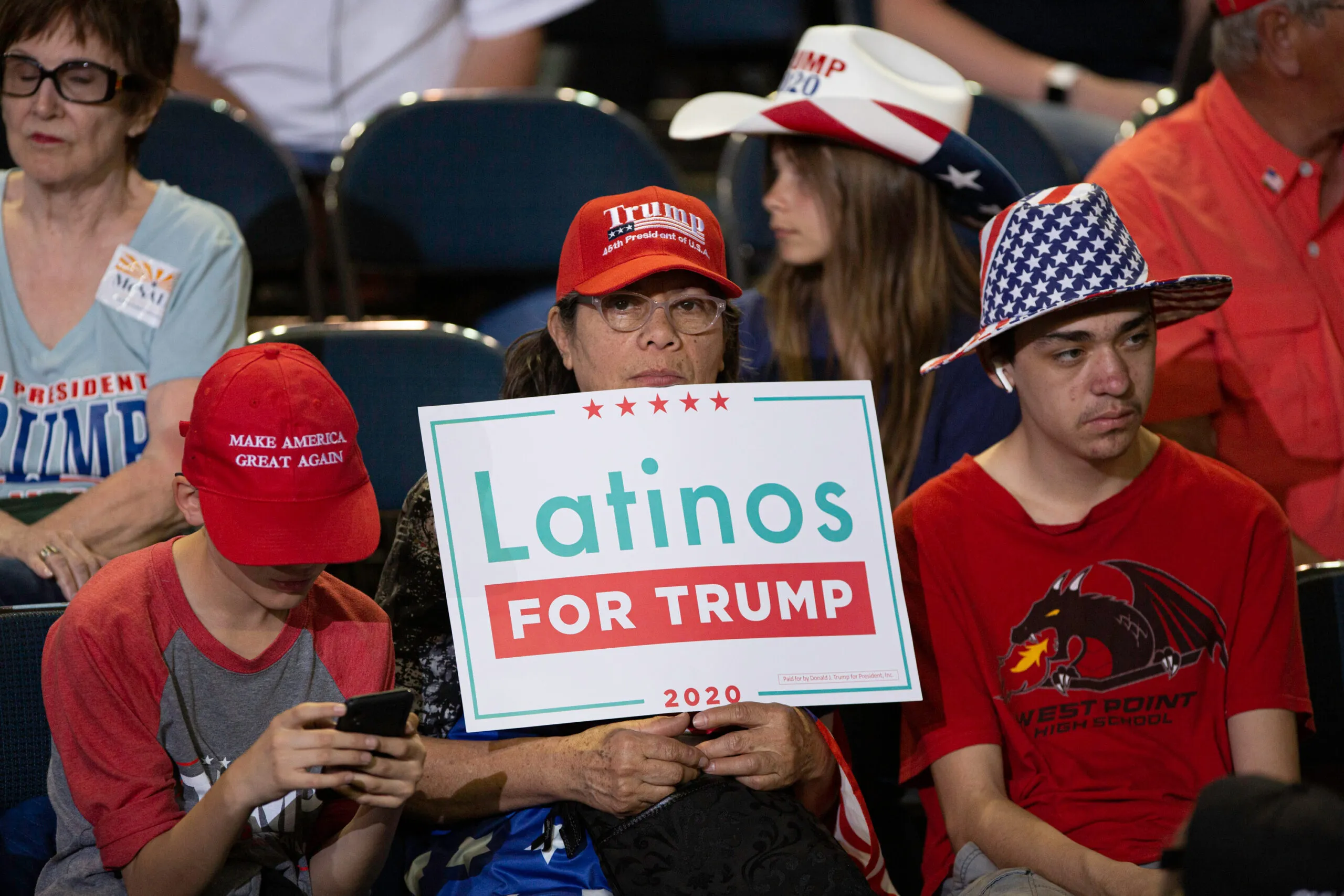
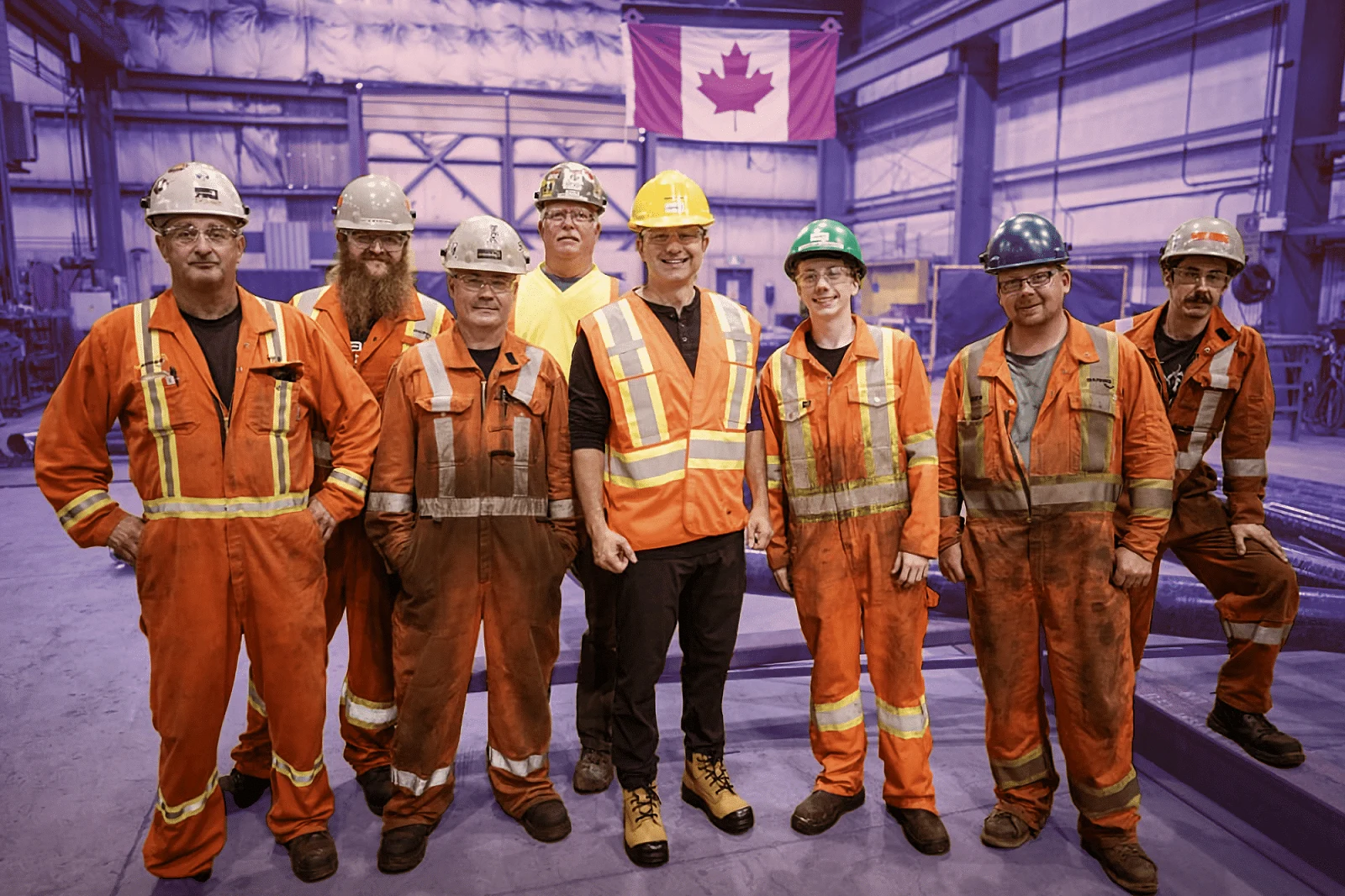
Both major American political parties are aggressively targeting working-class voters amid widespread public skepticism regarding political motives. According to recent polling data, fifty-five percent of Americans believe politicians only champion the working class to secure votes, while a mere twenty-five percent think lawmakers genuinely want to help them. Democrats and Republicans face distinct challenges as they vie for these key demographic coalitions. Democrats remain internally divided over whether progressive policies like universal healthcare or centrist economic strategies best appeal to working-class families. Meanwhile, Republicans attempt to maintain gains made with working-class voters during past elections, though persistent cost-of-living concerns and foreign policy disagreements complicate their efforts. Voters also express varied definitions of what constitutes the working class, further complicating campaign strategies. Both parties must navigate widespread economic anxiety, unemployment concerns, and deep-seated voter distrust as they build electoral coalitions ahead of upcoming political cycles across the United States.
More context
Timeline
- On January 20, 2025, Donald Trump assumed office amid high economic expectations.
- On August 1, 2026, Public First released new polling data via POLITICO.
- On August 15, 2026, political analysts evaluated working class voting trends nationwide.
- On August 31, 2026, both parties intensified outreach to working class Americans.
- No newer material development was located during the final freshness search.
- Parties will likely increase populist economic messaging throughout upcoming election campaigns.
- Lawmakers might introduce targeted cost of living legislative proposals soon.
- Working class voter turnout could decide upcoming congressional election outcomes.
- Parties will debate healthcare reforms to attract working class families.
- Economic inflation trends will continue shaping voter trust in leadership.
Why it matters
Immediate US impact: Parties will adjust economic strategies to target skeptical voters. Possible long-term US impact: Voter distrust could alter traditional partisan coalitions and election outcomes. Most affected groups: Working class voters, labor groups, and political strategists nationwide. Reader priority: Monitor diverse news outlets to evaluate competing partisan economic claims.
Coverage notes
Left: Emphasizes economic inequality and progressive policy solutions for workers. Center: Focuses objectively on poll numbers, demographics, and party strategies. Right: Highlights cost of living concerns and Republican working class gains.
Primary report
The POLITICO Poll published survey results regarding working class voters.
Sources
- MSNBC
- CNN
- Slate
- Huffington Post
- Daily Beast
- POLITICO
- Associated Press
- Reuters
- The Hill
- Wall Street Journal
- Washington Post
- New York Times
- Bloomberg
- National Public Radio
- USA Today
- Axios
- Newsweek
- Time
- Forbes
- Business Insider
- CBS News
- NBC News
- ABC News
- CNBC
- Christian Science Monitor
- Fox News
- National Review
- Washington Examiner
- Reason
- Fox Business
JQJO Editorial Desk · Human reviewed · AI assisted. Report a correction.