Oil Benchmarks Surge as Brent Hits $90.32 and WTI Rises to $85.41
PUBLISHED Aug 30, 2026, 9:49 PM ET
Read, Watch or Listen
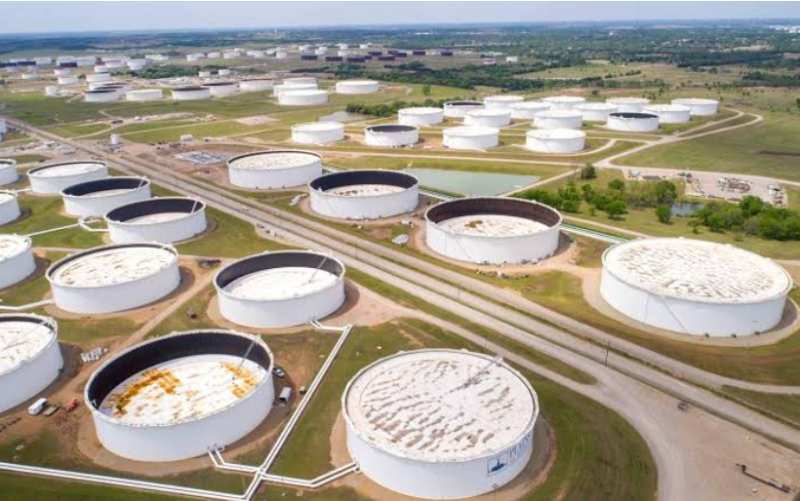
Global oil benchmarks rose sharply during early trading sessions as market participants responded to heightened geopolitical tensions and supply security concerns. Brent crude climbed to ninety dollars and thirty-two cents per barrel, representing a robust increase of over two percent. Meanwhile, US West Texas Intermediate advanced to eighty-five dollars and forty-one cents per barrel. The upward price movement reflects growing anxieties regarding petroleum flows through critical international shipping corridors and potential disruptions in key producing regions. Analysts note that these higher valuations directly impact downstream petroleum products, raising fuel pump prices and transportation costs across the United States. This energy sector escalation introduces fresh upside pressures on domestic consumer price indices, complicating the broader economic outlook for manufacturing logistics, corporate profit margins, and household expenditures. Federal Reserve officials and financial markets continue monitoring these developments closely to assess potential ramifications for upcoming monetary policy decisions this week.
By Daniel Hayes | JQJO News
Timeline of Events
- On July 29, 2026, global crude oil prices surged higher.
- On August 10, 2026, Middle East supply tensions escalated market anxiety.
- On August 20, 2026, energy analysts warned of incoming shocks.
- On August 31, 2026, Brent crude climbed to ninety dollars.
- On August 31, 2026, WTI crude reached eighty five dollars.
- On August 31, 2026, traders evaluated regional shipping route disruptions.
- On August 31, 2026, US markets reacted to energy surges.
- Higher oil prices will likely increase domestic retail gasoline costs.
- Persistent energy inflation may influence upcoming Federal Reserve rate decisions.
- Manufacturing supply chains face extended cost pressures throughout autumn months.
News Intelligence
- Immediate US impact: Higher retail fuel prices and increased transportation costs nationwide immediately.
- Possible long-term US impact: Persistent energy inflation complicates broader economic growth and monetary policy.
- Most affected groups: American drivers, manufacturing companies, logistics firms, and everyday consumers nationwide.
- Reader Priorities: Track official energy reports, inventory data, and market analyst updates.
- Articles Published:
- 31
- Right Leaning:
- 4
- Left Leaning:
- 6
- Neutral:
- 21
- Distribution:
- Left 19%, Center 68%, Right 13%
Left: Emphasize consumer cost burdens and potential corporate retail price gouging. Center: Focus strictly on supply dynamics, market metrics, and price movements. Right: Highlight geopolitical policy failures and regulatory impacts on domestic production.
Global oil benchmarks surged past key resistance levels during trading. https://www.reuters.com/markets/commodities/
Coverage of Story:
From Left
Higher oil prices threaten to squeeze American consumers at pump
CNN Business Politico Washington Post New York Times Los Angeles Times The Daily BeastFrom Center
Oil Benchmarks Surge as Brent Hits $90.32 and WTI Rises to $85.41
Reuters Reuters Bloomberg CNBC Wall Street Journal Financial Times Associated Press MarketWatch Yahoo Finance The Hill Barron's Forbes Business Insider Fortune Bloomberg Government Houston Chronicle Argus Media S&P Global Commodity Insights OilPrice.com Chicago Tribune Market PulseFrom Right
Oil surges past $90 per barrel, adding pressure to US economy
Fox Business National Review Washington Times The American Conservative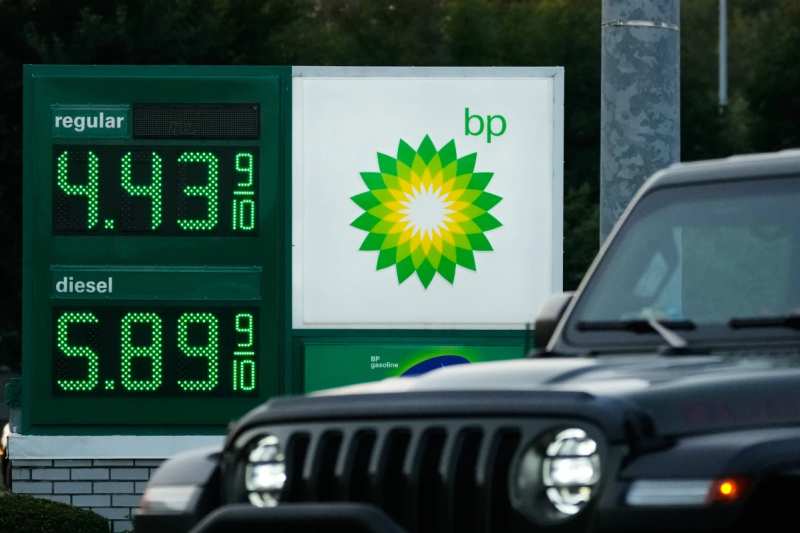





Comments