Trump Announces New Drug-Pricing Deals With Nine Additional Pharma Firms
Tap title to read story
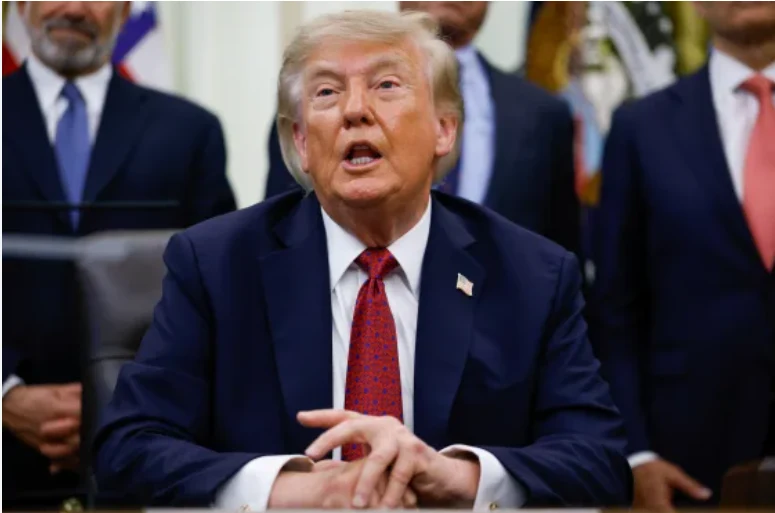
President Donald Trump announced new agreements with nine midsize pharmaceutical firms to lower prescription costs under his international drug pricing initiative. The latest additions including Alcon, Astellas Pharma, Teva Pharmaceuticals, and UCB bring total participating companies to twenty six, covering roughly eighty nine percent of the domestic branded pharmaceutical market. Under the accords, participating manufacturers will provide state Medicaid programs access to international reference pricing and offer steep direct consumer discounts through the TrumpRx platform. Administration officials project the cumulative agreements will generate over six hundred billion dollars in savings for American consumers over the coming decade. Additionally, the newly signed manufacturers committed nearly twenty billion dollars toward expanding domestic manufacturing and research infrastructure. The policy aims to counter foreign price controls that officials argue shift the financial burden of global drug innovation onto American patients. While praised by supporters for reducing healthcare expenses, critics note that details remain confidential.
Timeline
- On July 31, 2025, President Trump demanded lower drug prices.
- On December 19, 2025, administration officials announced initial major pharma agreements.
- On February 5, 2026, the federal TrumpRx portal officially launched.
- On April 2, 2026, the administration introduced pharmaceutical import tariffs.
- On April 23, 2026, Regeneron signed a drug pricing accord.
- On August 31, 2026, President Trump announced nine new agreements.
- On September 1, 2026, the White House published official facts.
- In late 2026, analysts expect continued debate over pricing impacts.
- Throughout 2027, participating companies will expand domestic manufacturing facility investments.
- By 2036, cumulative healthcare program savings should reach projected targets.
Sources
United States Trade Representative
Bloomberg Professional Services
Bloomberg Professional Services
JQJO Editorial Desk · Human reviewed · AI assisted. Report a correction.