Republican Senators Rebel as Trump Tariffs on Canada Threaten Midterm
Tap title to read story
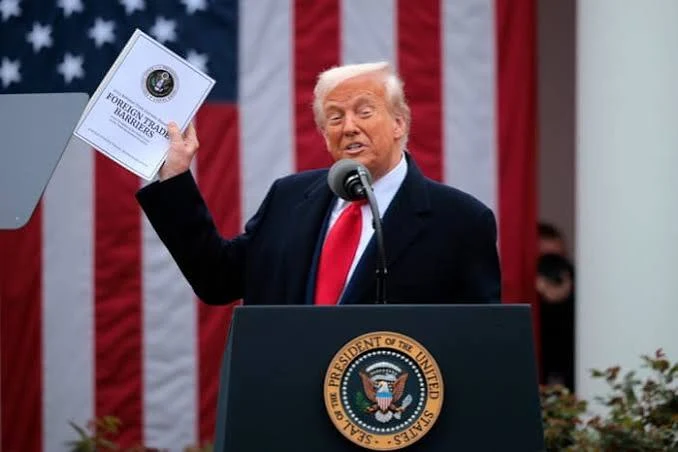
Trade negotiations between the United States and Canada collapsed on August 21, resulting in immediate retaliatory tariffs. President Donald Trump implemented a 50 percent tariff on twenty billion dollars of Canadian goods. In response, Canada announced import duties of up to 50 percent on approximately 700 American products, effective September 8. The escalation intensifies cost-of-living pressures across the United States, particularly impacting trade-dependent states like Maine, Michigan, and Iowa. As midterm elections approach, Republican senators in these regions face intense political pressure. Senator Susan Collins of Maine criticized the tariffs as a mistake, while industry representatives warned of severe supply chain disruptions in the automotive sector. Meanwhile, the Cook Political Report reclassified several battleground states as toss-ups. Parallel civil rights demonstrations and voting rights rulings further complicate the political landscape as thousands protest systemic rollbacks.
More context
Timeline
- On August 21 2026 Trade negotiations between the United States and Canada collapsed.
- On August 21 2026 President Trump announced a 50 percent tariff on goods.
- On August 21 2026 Canada responded with import duties on American products.
- On September 8 2026 Canadian retaliatory tariffs on American goods take effect.
- On November 3 2026 United States midterm congressional elections will be held.
- Tariffs will increase consumer goods prices across key battleground states.
- Republican senators facing tough reelection campaigns will experience mounting pressure.
- Automotive supply chains across the northern border will face disruptions.
- Voters in toss-up states will determine control of Congress.
- Electoral margins will shift due to economic and voting disputes.
Why it matters
Immediate US impact: Immediate cost increases and supply chain disruptions across border states. Possible long-term US impact: Persistent inflation and legislative deadlock over cross-border trade policies. Most affected groups: Automotive workers, farmers, consumers, and lawmakers in battleground states. Reader priority: Multiple verified financial and political reporting outlets for updates.
Coverage notes
Left: Highlight economic harm and vulnerable Republican incumbents. Center: Report trade collapse and electoral shifts neutrally. Right: Focus on strategic protectionism amid political pushback.
Primary report
Trade negotiations collapsed on August 21 triggering immediate retaliatory tariffs.
Sources
- Washington Post
- New York Times
- CNN
- Los Angeles Times
- Boston Globe
- San Francisco Chronicle
- Slate
- Reuters
- Associated Press
- Bloomberg
- Politico
- Financial Times
- CNBC
- USA Today
- Chicago Tribune
- Detroit Free Press
- Dallas Morning News
- Seattle Times
- Miami Herald
- Houston Chronicle
- Atlanta Journal-Constitution
- Time
- Newsweek
- The Hill
- Axios
- NPR
- Wall Street Journal
- Fox News
- National Review
- National Review
JQJO Editorial Desk · Human reviewed · AI assisted. Report a correction.