U.S. Strikes Iran, Oil Surges Past $90
Tap title to read story
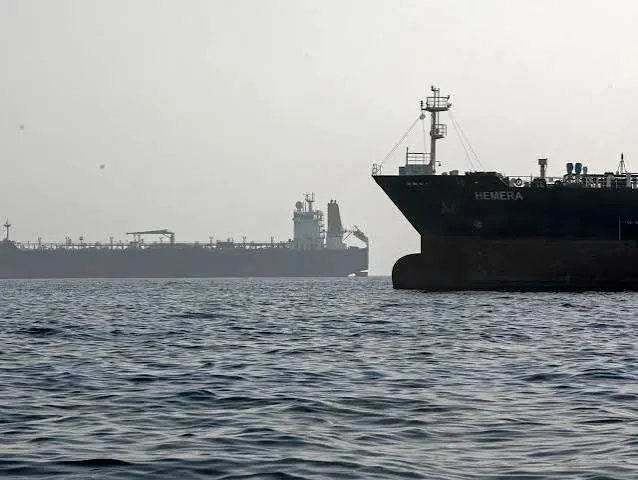
The United States struck two military facilities on Iran's Larak Island on August 30, the first known American attack on Iranian soil in over a month. A U.S. official said the strike targeted launchers preparing to lay sea mines in the Strait of Hormuz. Iran's Islamic Revolutionary Guard Corps retaliated on August 31 by launching ballistic missiles at U.S. military bases in Jordan. The IRGC reported casualties from the U.S. strike and vowed punishment. The escalating conflict sent Brent crude above $90 a barrel and WTI past $85 in early trading on August 31. The Strait of Hormuz, a chokepoint for about 20% of global oil, remains largely closed, with transits reduced to a fraction of normal levels. The U.S. had declared the strait cleared of mines just days earlier. The situation remains volatile following Iran's missile response.
More context
Timeline
- On February 28 2026 US and Israel launched large-scale attacks against Iran.
- On April 7 2026 A ceasefire and negotiations began between the US and Iran.
- On June 17 2026 Trump and Iran's President signed a memorandum of understanding.
- On July 15 2026 US reimposed military blockade on Iranian ports.
- On August 24 2026 US announced an 'economic D-Day' campaign against Tehran.
- On August 27 2026 US military declared it cleared Iranian mines from Hormuz.
- On August 28 2026 US Defense Secretary Hegseth said military force was not ruled out.
- On August 30 2026 US Central Command struck two IRGC launchers on Larak Island.
- On August 30 2026 IRGC confirmed multiple casualties from the US drone strike.
- On August 31 2026 Iran launched ballistic missiles at US bases in Jordan in retaliation.
- On August 31 2026 Global oil markets spiked with Brent breaking above $90.
- On August 31 2026 Iran's IRGC officially claimed responsibility for missile attacks on Jordan.
- On August 31 2026 US stock futures moved lower following the military escalation.
- Brent crude may retest $120 if Iran escalates further.
- Blockade could unwind quickly if Tehran abandons Hormuz claims.
- Iran economy faces contraction exceeding 5% due to sanctions.
- Midterm elections could shift Trump's political calculus on Iran.
- Diplomatic efforts via Pakistan and Oman may resume.
Why it matters
Immediate US impact: Energy prices surge, raising costs for American consumers and businesses. Possible long-term US impact: Middle East entanglement could strain military resources and global alliances. Most affected groups: American drivers, oil investors, defense contractors, and the shipping industry. Reader priority: Monitor official Pentagon and CENTCOM statements, avoid unverified social media.
Coverage notes
Left: Stresses excessive military action, civilian casualties, and need for diplomacy. Center: Reports confirmed events, military statements, and market impacts with neutrality. Right: Emphasizes firm US response, protecting shipping, and strategic strength.
Primary report
US forces struck Iran's Larak Island on Aug 30.
Sources
JQJO Editorial Desk · Human reviewed · AI assisted. Report a correction.