Meta Patches Smart Glasses Loophole
Tap title to read story
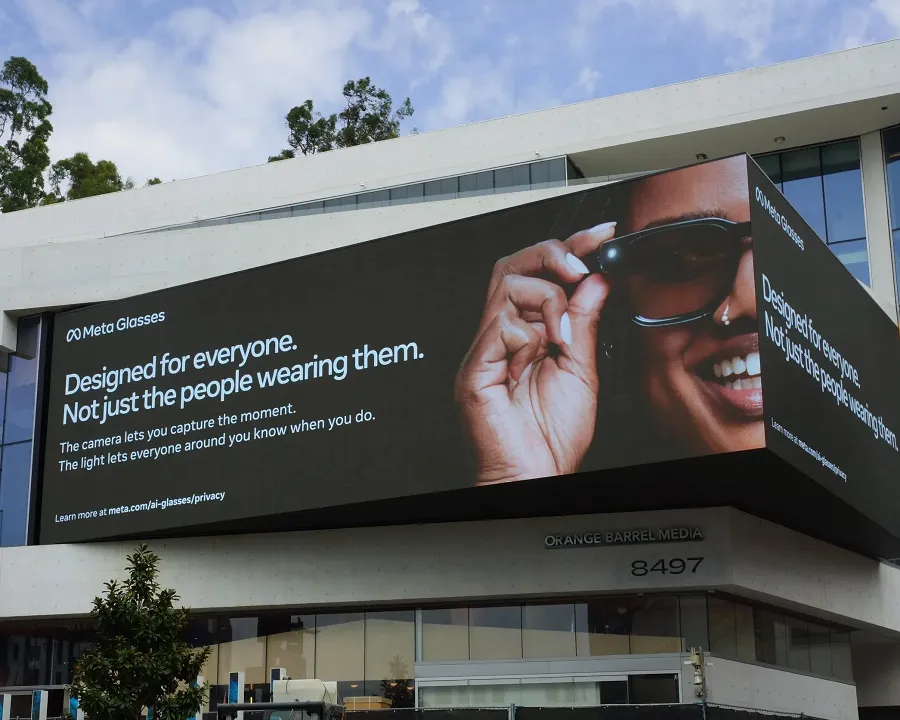
Meta released a software update for its Ray-Ban smart glasses designed to close a privacy loophole that permitted users to record video while blocking the built-in capture light. The update ensures that the integrated camera automatically stops functioning if the LED indicator is obstructed during an active recording session. The patch addresses a workaround where individuals initiated a recording prior to covering the light to prevent bystanders from noticing. This deployment follows a previous security modification that disabled the camera function if wearers physically tampered with the hardware LED. Privacy concerns surrounding the glasses intensified following reports of individuals recording members of the public without consent. Alex Himel, Meta's vice president of augmented reality, confirmed the update on Threads, stating that the camera will immediately cease functioning if the alert light is blocked mid-capture. Meta indicated that rolling out stricter limitations forms part of ongoing efforts to ensure bystanders are reliably alerted when photos or videos are being recorded. The company noted that while only a minority of users attempt to bypass built-in protections, the updates aim to maintain compliance with safety standards and public expectations.
More context
Timeline
- On October 18, 2023, Meta introduced the initial generation of Ray-Ban smart glasses.
- On November 5, 2024, privacy advocates raised concerns regarding covert recording capabilities in public.
- On January 12, 2025, software developers identified potential workarounds involving the device indicator LED.
- On March 20, 2025, regulatory bodies requested clarification on wearable recording device safety compliance.
- On June 15, 2025, Meta expanded distribution channels for smart glasses across global consumer markets.
- On July 8, 2026, Meta rolled out physical tamper detection to disable cameras on modified devices.
- On August 28, 2026, Alex Himel announced the mid-recording obstruction patch on Threads.
- On August 29, 2026, tech publications reported the live rollout of the software update.
- On October 15, 2026, Meta plans to evaluate public compliance data following the patch deployment.
- On January 10, 2027, industry analysts expect broader regulatory standards for consumer wearable privacy indicators.
Why it matters
Immediate US impact: Immediate US impact addresses public privacy concerns regarding wearable device surveillance. Possible long-term US impact: Long-term US impact establishes stricter software safety precedents for consumer augmented reality. Most affected groups: Most affected groups include everyday consumers, privacy advocates, and wearable tech manufacturers. Reader priority: Readers should prioritize official corporate engineering announcements and verified cybersecurity reports.
Coverage notes
Left: Emphasizes corporate responsibility, consumer safety, and stringent regulatory oversight on wearables. Center: Reports factual sequence of software updates and privacy adjustments objectively. Right: Focuses on user customization freedoms, market competition, and hardware usability factors.
Primary report
Alex Himel announced the software update on Threads on August 28, 2026.
Sources
- Wired
- Gizmodo
- Mashable
- The Verge
- 9to5Google
- PhoneArena
- TechCrunch
- Ars Technica
- CNET
- Engadget
- Reuters
- Associated Press
- Bloomberg
- Wall Street Journal
- Financial Times
- CNBC
- Forbes
- Business Insider
- ZDNET
- Fast Company
- PCMag
- Digital Trends
- Tom's Guide
- TechRadar
- The Next Web
- VentureBeat
- MakeUseOf
- Android Central
- The Information
- MIT Technology Review
- The Verge
JQJO Editorial Desk · Human reviewed · AI assisted. Report a correction.