Hungry bears wander into US West homes, shops in record numbers
Tap title to read story
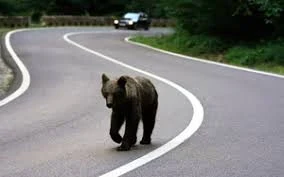
A historic drought across the U.S. West has led to a record surge in black bear sightings and human encounters, with Colorado logging over 7,000 reports in 2026, surpassing the 2019 annual record. The severe lack of natural food, comprising roughly 90% of bears' diets, is pushing them into populated areas, causing property damage and attacks in multiple states. Experts warn the crisis will worsen as bears enter hyperphagia, consuming up to 20,000 calories daily to prepare for hibernation. At least six bear attacks have been reported in Colorado this year, including four in August alone. Wildlife agencies have euthanized hundreds of bears deemed dangerous, including record numbers in New Mexico (187) and Utah (39). Conservation groups argue that human negligence, like unsecured trash, is a primary driver of these conflicts. While fatal attacks remain rare, authorities urge residents to secure attractants to prevent further incidents.
Timeline
- On May 1 2026 A man was killed by a grizzly in Montana's Glacier National Park.
- On June 21 2026 A hiker was attacked by a bear near Golden, Colorado.
- On August 4 2026 A minor was attacked by a bear while scouting near Snowmass.
- On August 10 2026 A bear broke into a lodge in Breckenridge, Colorado for food.
- On August 18 2026 A woman was attacked by a bear in her Steamboat Springs home.
- On August 19 2026 A man sleeping in an Aspen park was bitten by a bear.
- On August 22 2026 An angler was attacked by a bear near Jefferson County, Colorado.
- On August 28 2026 Reuters reported over 7,000 bear sightings in Colorado for 2026.
- On August 29 2026 The story was widely syndicated, confirming record-breaking encounter numbers.
- Experts predict September and October will see unprecedented bear activity.
- Continued drought is expected to habituate bears to human food sources.
- Agencies anticipate a record number of euthanizations as conflicts escalate.
Sources
JQJO Editorial Desk · Human reviewed · AI assisted. Report a correction.