Trump used to say he saw a quick end to his Iran war, but 6 months later he claims he’s in no hurry
Tap title to read story
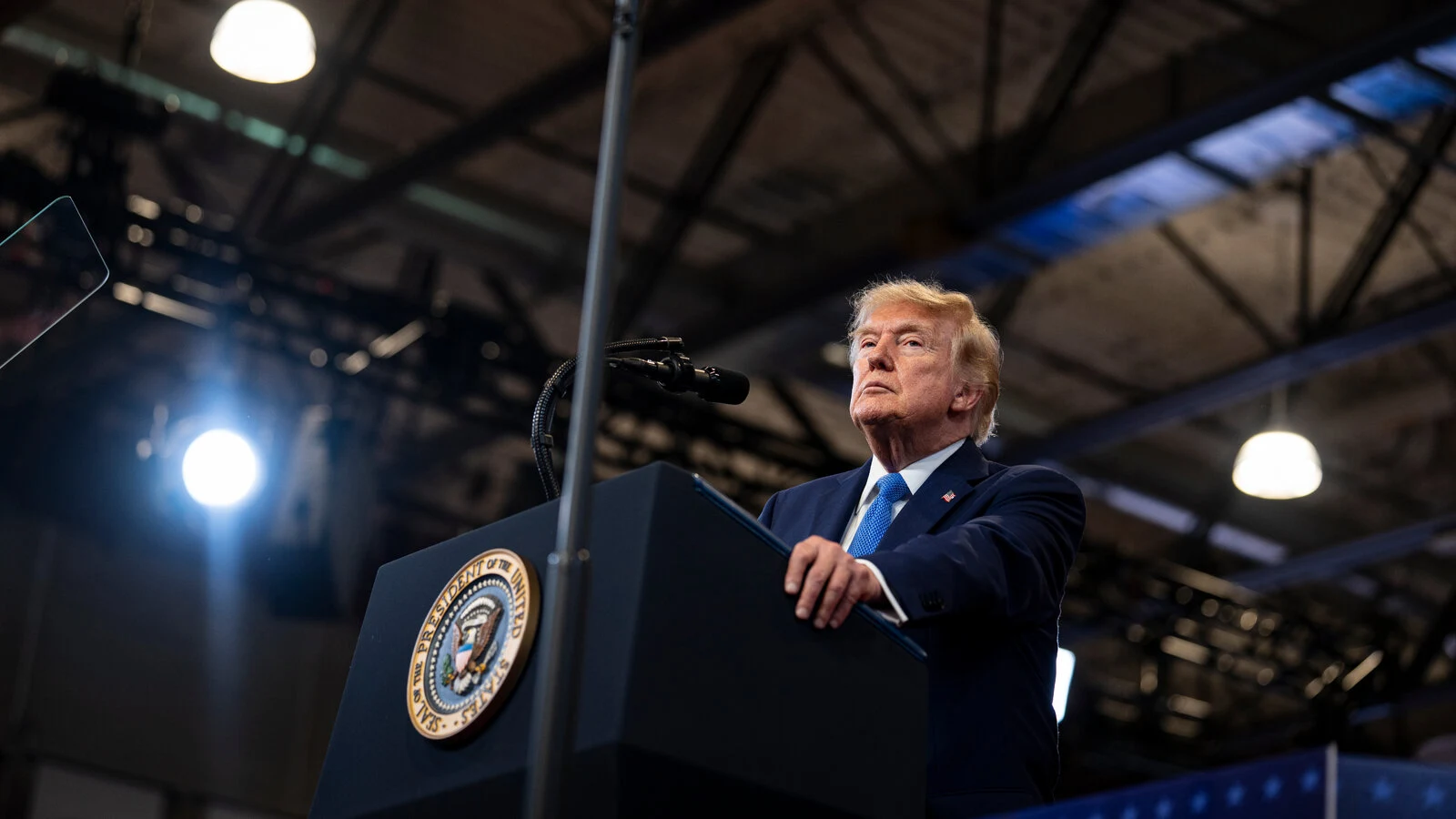
President Donald Trump is entering the sixth month of the U.S.-Israel war against Iran while abandoning his expectation of a quick conclusion and shifting toward economic pressure. Trump said this week he has “no time schedule” for Iran to return to negotiations and is “not in a hurry,” despite previously describing the conflict as a short operation. The White House said in March that achieving its military objectives could take four to six weeks, and Trump called the campaign a “little excursion.” The conflict began Feb. 28 and has continued through renewed fighting, a blockade and stalled diplomacy. Treasury Secretary Scott Bessent launched Operation Economic Outcast on Aug. 24 to intensify pressure on Iran and its partners. The Pentagon estimated the war had cost about $37.5 billion by July. U.S. officials say Iran has suffered military damage, while independent reporting shows Tehran remains capable of disrupting shipping and resisting pressure.
Timeline
- On February 28, 2026, US-Israeli strikes launched Iran war regionally.
- On March 6, 2026, White House projected four-to-six-week mission timeline.
- On March 9, 2026, Trump called fighting a little excursion.
- On March 26, 2026, Trump said operations were extremely ahead.
- On April 1, 2026, Trump predicted war ending within three.
- On June 17, 2026, US-Iran memorandum sought diplomacy and Hormuz.
- On July 21, 2026, Hegseth said costs reached $37.5 billion.
- On August 24, 2026, Treasury began Economic Outcast against Iran.
- On August 26, 2026, Trump said negotiations had no timetable.
- On August 28, 2026, war reached six months without settlement.
- Over coming weeks, sanctions may intensify while mediators pursue negotiations.
- Over coming months, Hormuz access will remain crucial for stability.
Sources
JQJO Editorial Desk · Human reviewed · AI assisted. Report a correction.