Trump Administration Rejects Return to June Iran Agreement — U.S. Navy Deploys Carrier to Middle East
Tap title to read story
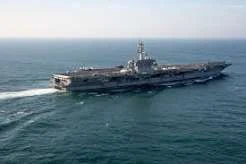
The Trump administration formally rejected returning to a June memorandum of understanding with Iran on August 27, 2026, confirming that all diplomatic negotiations are suspended. White House officials stated that all options remain active following Iran's announcement of a shift toward an offensive military posture. In response to rising tensions in the Persian Gulf, the U.S. Navy deployed the aircraft carrier USS Theodore Roosevelt near the Strait of Hormuz. Meanwhile, Iranian officials dismissed allegations of threats against Barron Trump as fabricated, while regional energy shipments through key shipping chokepoints partially recovered. Simultaneously, the Russian Foreign Ministry issued warnings regarding advanced missile technology transfers to Ukraine. U.S. markets monitored developments closely as diplomatic channels froze, raising immediate concerns over Middle Eastern maritime security, global crude oil supply stability, and broader geopolitical confrontations involving international defense alliances and strategic military positioning across multiple operational theaters.
Timeline
- On June 1, 2026, intermediaries brokered a temporary memorandum to reduce regional tensions.
- On August 25, 2026, U.S. Secret Service noted potential state media threats.
- On August 26, 2026, Iran announced a shift toward an offensive military doctrine.
- On August 27, 2026, the Trump administration rejected the June diplomatic agreement.
- On August 27, 2026, the U.S. deployed the USS Theodore Roosevelt carrier.
- On August 27, 2026, Ali Rezaei dismissed assassination reports as completely fabricated.
- On August 27, 2026, Russia warned Western nations over advanced missile technology transfers.
- On coming weeks, naval deterrence levels will influence Persian Gulf shipping routes.
- On coming months, diplomatic standstills could worsen regional military confrontation risks.
- On coming years, broader geopolitical security alignments may reshape Middle Eastern stability.
Sources
JQJO Editorial Desk · Human reviewed · AI assisted. Report a correction.