United Nations talks in Mongolia expose growing drought crisis as climate impacts worsen
Tap title to read story
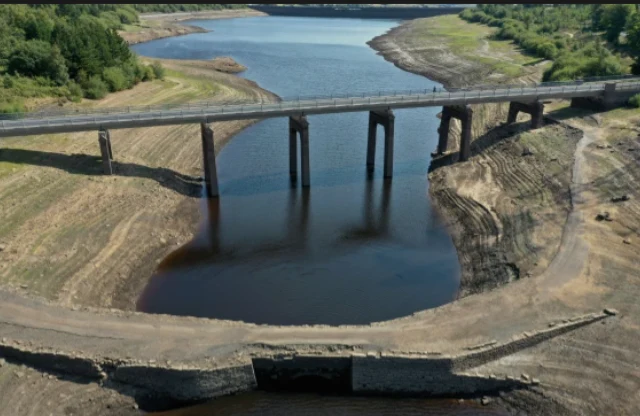
UN desertification talks in Ulaanbaatar ended Friday with countries highlighting worsening drought, land degradation and risks to food and water security. Delegates from the United Nations Convention to Combat Desertification’s 197 parties met Aug. 17-28 under “Restoring Land. Restoring Hope.” The UNCCD says up to 40% of the world’s land is degraded, while drought frequency, duration and severity are increasing amid climate change, unsustainable land and water management, and other pressures. Executive Secretary Yasmine Fouad told The Associated Press that drought is becoming more frequent, intense and prolonged. Negotiators failed again to agree on a legally binding drought instrument, postponing the issue until the next UNCCD conference in Egypt in 2028. The conference nevertheless advanced drought-resilience and land-restoration initiatives, including a $1.2 billion rangelands initiative covering 45 projects and an Asian Development Bank commitment of $2 billion for Asia-Pacific land restoration. The facility aims to mobilize up to $400 million.
Timeline
- On August 17, 2026, UNCCD COP17 opened in Ulaanbaatar, Mongolia.
- On December 13, 2024, COP16 adopted rangelands decision in Riyadh.
- On June 17, 2026, UNCCD warned rangelands faced escalating drought.
- On August 25, 2026, ministers discussed drought resilience and water.
- On August 26, 2026, ministers addressed rangelands and pastoralist resilience.
- On August 27, 2026, negotiators continued discussions on food systems.
- On August 28, 2026, COP17 concluded without resolving drought negotiations.
- On August 28, 2026, financing initiatives strengthened restoration and resilience.
- Over coming months, countries may expand drought-resilience projects and financing.
- By 2028, negotiators are expected to revisit binding drought agreement.
Sources
JQJO Editorial Desk · Human reviewed · AI assisted. Report a correction.