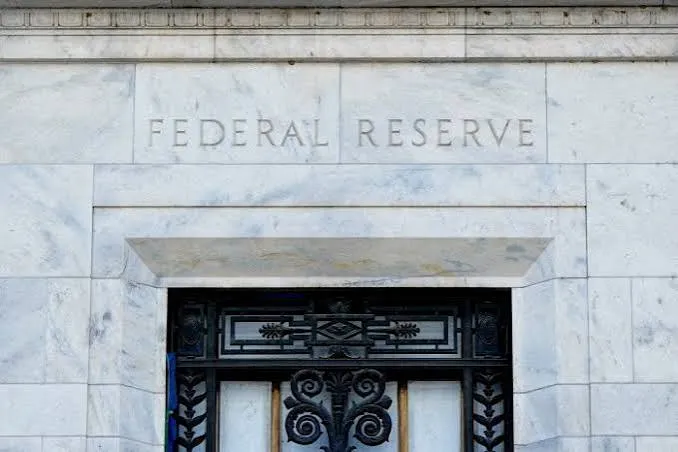
Fears of Federal Reserve-Treasury Conflict Intensify
Tap title to read story
Growing friction between the Federal Reserve and the Treasury Department has intensified market anxiety ahead of Federal Reserve Chair Kevin Warsh's scheduled address at Jackson Hole. The tension centers on Treasury intervention in the bond market through accelerated long-dated bond buybacks intended to suppress borrowing costs and manage federal debt issuance. Market participants note this action effectively eases financial conditions, directly conflicting with the central bank's restrictive monetary policy aimed at lowering inflation. The ten-year Treasury yield remains elevated at 4.68 percent as investors weigh institutional divergence between fiscal and monetary authorities. Analysts warn that any perceived institutional compromise by the central bank could damage its policy credibility. The upcoming address serves as a critical test for whether monetary officials will maintain a strict stance against persistent inflation despite political and fiscal pressures.
More context
Timeline
- On August 24 2024 Federal Reserve Chair addressed economic policy at Jackson Hole symposium.
- On January 15 2025 Treasury Department announced shifts in long-dated bond buyback pacing.
- On June 10 2025 Ten-year Treasury yield fluctuated near four point two percent.
- On August 1 2025 Inflation data showed persistent pressures across core consumer sectors.
- On August 20 2026 Bond market participants voiced concerns over institutional policy divergence.
- On August 22 2026 Ten-year Treasury yield reached four point sixty-eight percent nationally.
- On August 28 2026 Federal Reserve Chair Kevin Warsh prepared for Jackson Hole speech.
- On September 15 2026 Market analysts will monitor monetary policy signals during committee sessions.
- On October 1 2026 Investors anticipate potential interest rate adjustments if inflation remains high.
- On January 1 2027 Bond yields will reflect evolving fiscal policy decisions throughout the year.
Why it matters
Immediate US impact: Immediate US impact involves heightened volatility across fixed-income and equities. Possible long-term US impact: Long-term US impact threatens institutional central bank credibility and inflation control. Most affected groups: Most affected groups include bond investors, institutional traders, and federal regulators. Reader priority: Readers should prioritize primary economic data releases and direct transcripts.
Coverage notes
Left: Framing focuses on systemic risks to central bank independence. Center: Framing emphasizes market reactions and macroeconomic policy divergence mechanics. Right: Framing highlights government debt management and fiscal intervention pressures.
Primary report
Federal Reserve Chair Kevin Warsh scheduled speech at Jackson Hole.
Sources
- Politico
- The New York Times
- Washington Post
- CNN Business
- NPR
- Los Angeles Times
- Reuters
- Associated Press
- Bloomberg
- Financial Times
- CNBC
- MarketWatch
- Yahoo Finance
- Barron's
- USA Today
- Forbes
- Business Insider
- Axios
- The Hill
- Institutional Investor
- Chicago Tribune
- Houston Chronicle
- San Francisco Chronicle
- Boston Globe
- Dallas Morning News
- Miami Herald
- Seattle Times
- Atlanta Journal-Constitution
- The Wall Street Journal
- Fox Business
- Investing.com
JQJO Editorial Desk · Human reviewed · AI assisted. Report a correction.