Trump Declares National Emergency Over Power Grid Threats
Tap title to read story
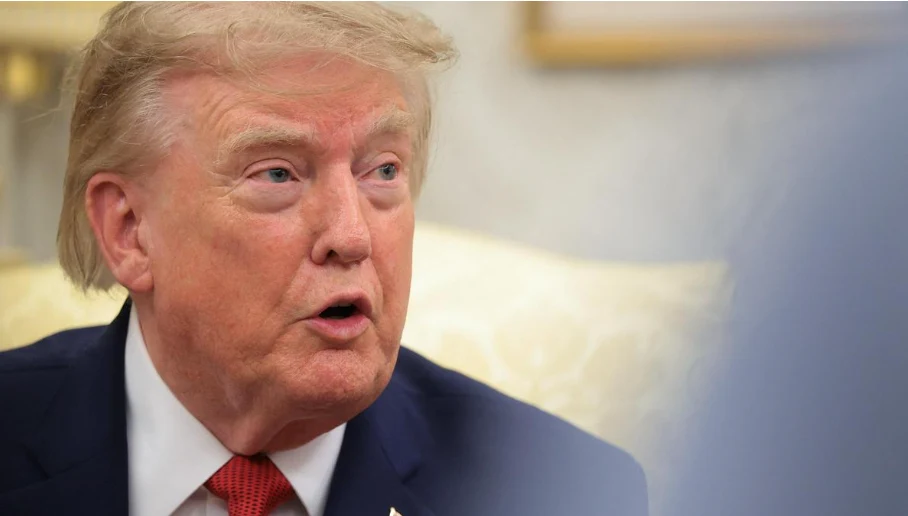
President Donald Trump signed an executive order declaring a national emergency to protect the United States electric grid from foreign equipment threats. The directive invokes the International Emergency Economic Powers Act, targeting overseas power system hardware and associated software that pose cybersecurity or operational risks. Administration officials cited growing electricity demands from artificial intelligence data centers and advanced manufacturing, making the electrical grid increasingly vulnerable to malicious remote actions. The order empowers the Secretary of Energy to restrict the acquisition, importation, or installation of high risk components like substation transformers and large generators. Furthermore, the Department of Energy can mandate the isolation, monitoring, or replacement of already installed foreign built hardware deemed an undue security threat. Supporters argue the move fortifies critical national infrastructure against potential foreign sabotage and strengthens domestic manufacturing supply chains. Critics question implementation feasibility and potential costs for utility companies. The federal agency drafts new rules.
Timeline
- On May 15, 2020, officials warned about foreign grid security.
- On January 20, 2021, the prior administration suspended grid orders.
- On April 10, 2025, regulations prevented power plant closures nationwide.
- On June 12, 2026, new artificial intelligence cybersecurity rules launched.
- On July 15, 2026, defense supply chain executive orders arrived.
- On August 26, 2026, President Trump declared national grid emergency.
- On August 27, 2026, the White House published official facts.
- In coming weeks, the Energy Department drafts new implementation rules.
- Over coming months, utility companies review foreign component inventories closely.
- By late 2026, federal regulatory agencies expect initial compliance reports.
Sources
JQJO Editorial Desk · Human reviewed · AI assisted. Report a correction.