How the Middle East conflict has shaped financial markets
PUBLISHED Aug 27, 2026, 3:49 AM ET
Read, Watch or Listen
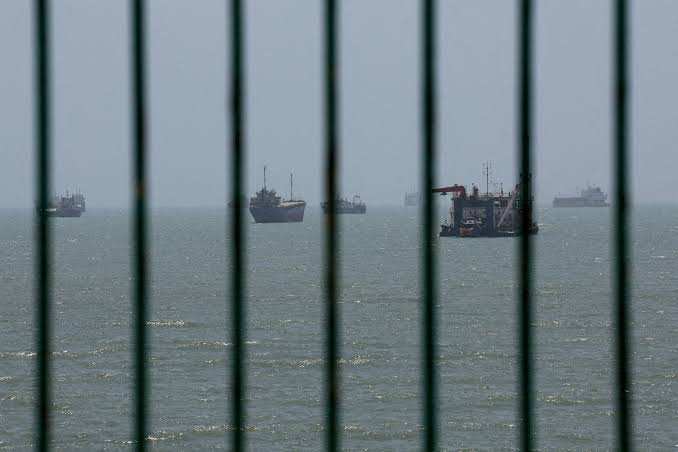
Six months after military strikes triggered open conflict between the United States, Israel, and Iran, global energy markets face ongoing turbulence while global equities remain surprisingly resilient. Brent crude averages nearly $90 per barrel in 2026, up from $70 in 2025, spiking over $120 following disruptions in the Strait of Hormuz. Shortages of middle distillates have sharply increased diesel prices, exacerbated by attacks on Russian refineries. Although global equity indexes reached record highs buoyed by tech investments, Gulf market benchmarks dropped over 14 percent. Traditional safe-haven assets failed to provide steady protection; U.S. Treasuries declined 3.5 percent on persistent inflation expectations and fiscal uncertainty. Simultaneously, fertilizer transport blockades and El Niño weather patterns pushed international food prices to a three-year high. Regional economies face severe headwinds, with Gulf property sales falling significantly and energy export infrastructure sustaining structural damage amid continuing geopolitical instability.
By Sarah Whitman | JQJO News
Timeline of Events
- On Feb 27, 2026 U.S. and Israeli strikes on Iran trigger major war.
- On Apr 15, 2026 Brent crude spikes above $120 amid supply disruptions.
- On Jul 10, 2026 Gold drops nearly 25 percent from war start level.
- On Aug 01, 2026 MSCI World stock index hits $105 trillion record peak.
- On Aug 15, 2026 Gold rebounds 15 percent on dollar debasement concerns.
- On Aug 27, 2026 FAO confirms global food index reaches three year peak.
- On Aug 27, 2026 Gulf region equity indexes drop 14 percent lower overall.
- On Sep 15, 2026 High winter heating demands will elevate global inflation pressures.
- On Dec 01, 2026 Persistent fertilizer shortages will constrain upcoming global crop yields.
- On Jan 15, 2027 Prolonged infrastructure repairs will delay Qatar natural gas recovery.
News Intelligence
- Immediate US impact: Higher fuel and food costs increase inflation for domestic consumers.
- Possible long-term US impact: Sustained energy shocks may delay Federal Reserve interest rate cuts.
- Most affected groups: U.S. consumers, energy sector investors, importers, and agricultural producers.
- Reader priority: Focus on verified primary commodity metrics and official inflation statistics.
- Articles Published:
- 31
- Right Leaning:
- 7
- Left Leaning:
- 8
- Neutral:
- 16
- Distribution:
- Left 26%, Center 52%, Right 23%
Left: Highlights global food insecurity, consumer hardship, and agricultural supply stress. Center: Reports factual price shifts across commodities, equities, and sovereign debt. Right: Emphasizes domestic AI strength, fiscal policy critique, and energy independence.
Reuters market analysis report on six-month Middle East war impact on Aug 27, 2026. https://www.reuters.com/business/finance/how-middle-east-conflict-has-shaped-financial-markets-2026-08-27/
Coverage of Story:
From Left
Escalating conflict hits global food prices and energy security
CNN Business The New York Times The Washington Post Politico NBC News CBS News ABC News The GuardianFrom Center
How the Middle East conflict has shaped financial markets
Reuters Reuters Associated Press Bloomberg Financial Times CNBC MarketWatch NPR BBC News International Business Times USA Today Economic Times Nikkei Asia South China Morning Post Deutsche Welle Al JazeeraFrom Right
How Tech Stock Surge Shielded Markets From Middle East Energy Shock
The Wall Street Journal Investor's Business Daily Barron's Fox Business Washington Examiner National Review The Daily Wire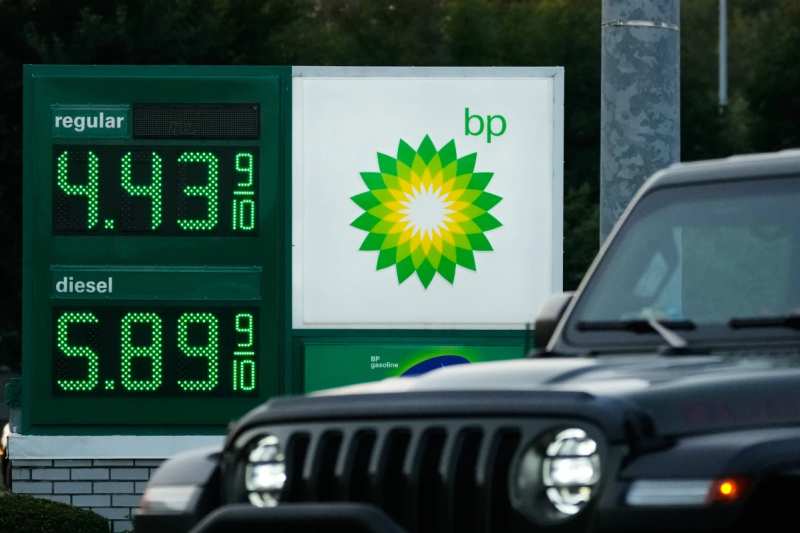





Comments