How the Middle East conflict has shaped financial markets
Tap title to read story
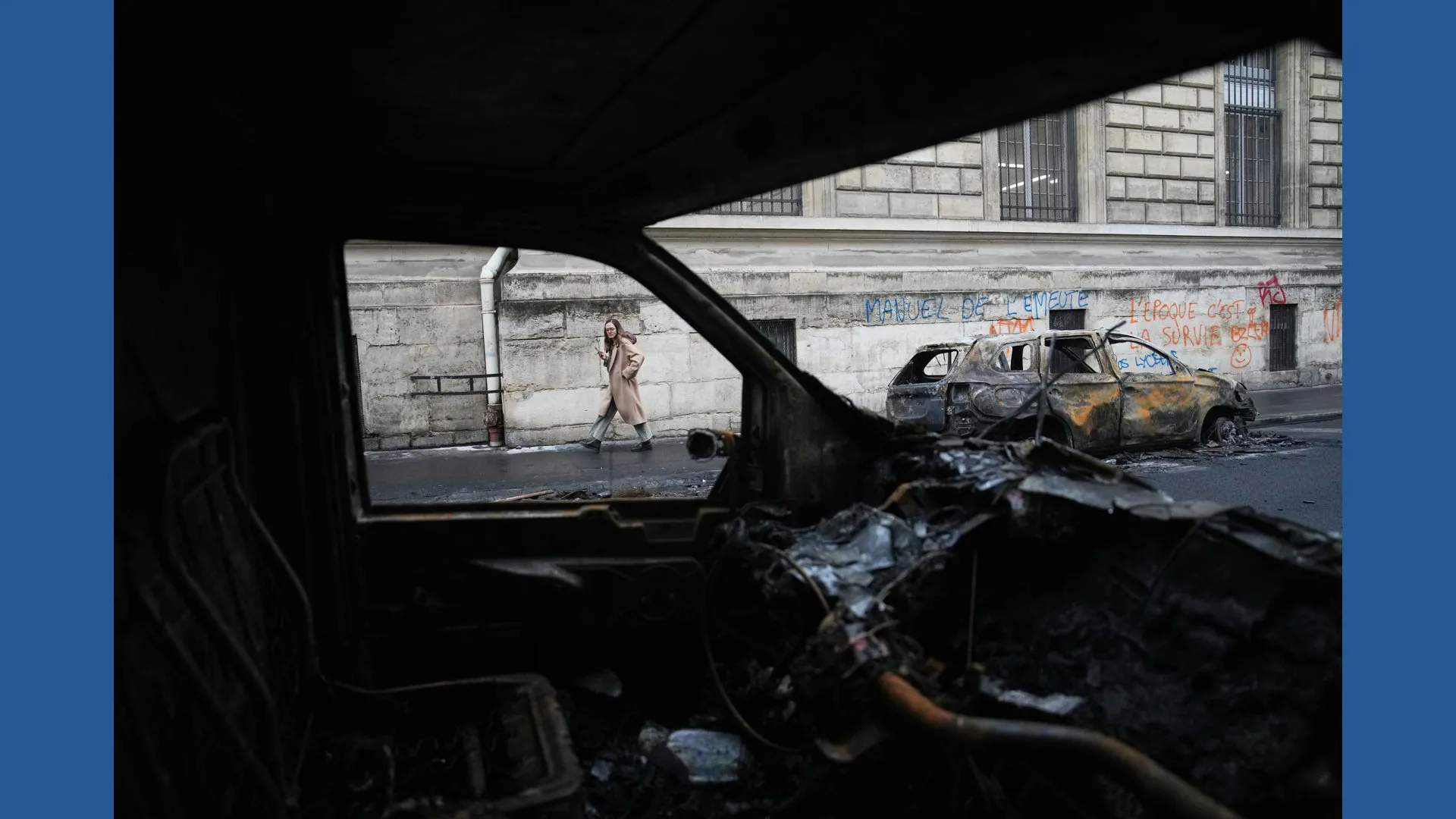
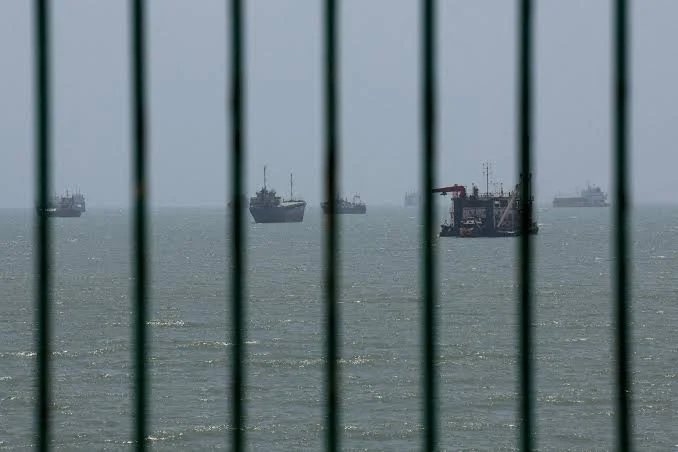
Six months after military strikes triggered open conflict between the United States, Israel, and Iran, global energy markets face ongoing turbulence while global equities remain surprisingly resilient. Brent crude averages nearly $90 per barrel in 2026, up from $70 in 2025, spiking over $120 following disruptions in the Strait of Hormuz. Shortages of middle distillates have sharply increased diesel prices, exacerbated by attacks on Russian refineries. Although global equity indexes reached record highs buoyed by tech investments, Gulf market benchmarks dropped over 14 percent. Traditional safe-haven assets failed to provide steady protection; U.S. Treasuries declined 3.5 percent on persistent inflation expectations and fiscal uncertainty. Simultaneously, fertilizer transport blockades and El Niño weather patterns pushed international food prices to a three-year high. Regional economies face severe headwinds, with Gulf property sales falling significantly and energy export infrastructure sustaining structural damage amid continuing geopolitical instability.
Timeline
- On Feb 27, 2026 U.S. and Israeli strikes on Iran trigger major war.
- On Apr 15, 2026 Brent crude spikes above $120 amid supply disruptions.
- On Jul 10, 2026 Gold drops nearly 25 percent from war start level.
- On Aug 01, 2026 MSCI World stock index hits $105 trillion record peak.
- On Aug 15, 2026 Gold rebounds 15 percent on dollar debasement concerns.
- On Aug 27, 2026 FAO confirms global food index reaches three year peak.
- On Aug 27, 2026 Gulf region equity indexes drop 14 percent lower overall.
- On Sep 15, 2026 High winter heating demands will elevate global inflation pressures.
- On Dec 01, 2026 Persistent fertilizer shortages will constrain upcoming global crop yields.
- On Jan 15, 2027 Prolonged infrastructure repairs will delay Qatar natural gas recovery.
Sources
JQJO Editorial Desk · Human reviewed · AI assisted. Report a correction.