Fed Officials Signal Rates Not Restraining Economy
Tap title to read story
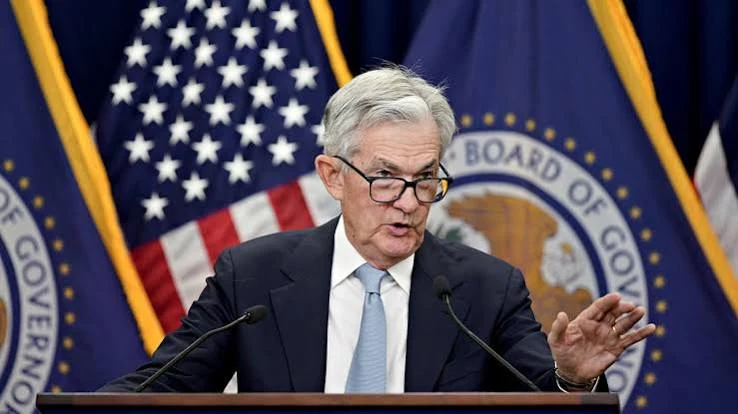
Multiple Federal Reserve officials voiced concern on Thursday that current benchmark interest rates remain insufficiently restrictive to combat persistent inflation pressures across the United States. Cleveland Fed President Beth Hammack reiterated during remarks that policymakers should act immediately to contain price increases, pointing out that elevated inflation has persisted for over five years. Her comments follow the release of data showing the Personal Consumption Expenditures price index rose 3.7 percent in July, while core inflation increased 3.3 percent annually. Hammack previously dissented at the July Federal Open Market Committee meeting, advocating for a 25-basis-point rate hike while the committee maintained rates at 3.50 to 3.75 percent. Kansas City Fed President Jeffrey Schmid echoed similar doubts regarding monetary policy restrictiveness, noting that sticky price levels require aggressive intervention. Financial analysts indicate these hawkish warnings heighten market anticipation for upcoming central bank policy decisions regarding potential borrowing cost adjustments.
More context
Timeline
- On July 15, 2026 Federal Open Market Committee held benchmark rates at steady levels.
- On July 28, 2026 Personal Consumption Expenditures index data reported 3.7 percent growth.
- On August 27, 2026 Cleveland Fed President Beth Hammack urged immediate policy action.
- On August 27, 2026 Kansas City Fed President Jeffrey Schmid questioned economic restrictiveness.
- On August 28, 2026 Federal Reserve officials signaled current rates insufficiently control inflation.
- On September 15, 2026 Markets anticipate upcoming Federal Reserve interest rate policy announcements.
- On October 20, 2026 Central bankers review subsequent inflation data for policy shifts.
- On November 10, 2026 Analysts expect potential adjustments depending on consumer price indices.
- On December 1 2026 In December 2026 Federal Reserve policymakers evaluate annual economic performance metrics.
- On January 1 2027 In January 2027 Officials implement strategic adjustments targeting stable price objectives.
Why it matters
Immediate US impact: Borrowing costs may rise increasing financial pressure on consumers nationwide. Possible long-term US impact: Elevated borrowing expenses could suppress long-term economic growth and investment. Most affected groups: American consumers, commercial borrowers, and financial institutions face increased costs. Reader priority: Monitor Federal Reserve announcements and official economic data releases closely.
Coverage notes
Left: Emphasizes corporate pricing power and impacts on working families. Center: Reports central bank statements neutrally focusing on macroeconomic indicators. Right: Focuses on monetary policy effectiveness and excessive government regulation impacts.
Primary report
Federal Reserve officials warned current interest rates fail restraining inflation.
JQJO Editorial Desk · Human reviewed · AI assisted. Report a correction.