US-Iran war spurs Europe, Asia to boost renewables
PUBLISHED Aug 26, 2026, 5:20 AM ET
Read, Watch or Listen
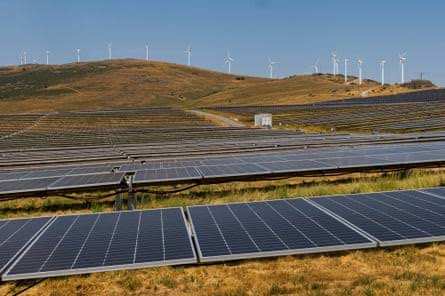
Six months into the U.S.-Israeli conflict with Iran, the effective closure of the Strait of Hormuz has choked off a fifth of global oil and liquefied natural gas shipments, forcing governments across Europe and Asia to accelerate renewable energy integration. The International Energy Agency reports that global renewable output is projected to jump 8.5 percent this year, positioning renewables to become the top electricity source globally. Rooftop solar adoption has surged rapidly in the Philippines, Australia, and European markets due to heightened fuel import costs. Simultaneously, short-term energy security pressures have caused global coal-fired generation to rise by 1.4 percent, pushing power sector greenhouse gas emissions toward a record 14.2 billion tonnes in 2026. High oil prices have concurrently accelerated electric vehicle adoption, with Chinese passenger car EV sales reaching 63 percent in June. Market analysts note that elevated capital costs and upcoming U.S. liquefied natural gas supplies will influence the long-term trajectory of the global transition.
By Lauren Mitchell | JQJO News
Timeline of Events
- On 2026-02-26, conflict erupted in the Middle East disrupting global energy shipments.
- On 2026-04-15, gasoline related transport demand fell significantly during peak disruption.
- On 2026-06-01, Chinese passenger car electric vehicle retail sales reached record levels.
- On 2026-08-26, International Energy Agency reported surging renewable output and emissions highs.
- On 2026-08-26, no newer material development was located during final freshness search.
- On 2026-08-26, governments pledged increased funding for domestic clean energy infrastructure projects.
- On 2026-08-26, Vietnam considered building new coal plants to secure electricity supply.
- On December 31 2026 Global renewable generation is expected to become primary electricity source.
- On January 1 2027 Power sector greenhouse gas emissions are expected to begin dipping.
- On December 31 2030 United States liquefied natural gas supplies will expand market availability.
News Intelligence
- Immediate US impact: Higher fuel prices accelerate domestic clean energy and electric vehicle investments.
- Possible long-term US impact: Sustained supply disruptions permanently reshape global fossil fuel import dependencies.
- Most affected groups: Import-dependent manufacturers, energy consumers, and international shipping logistics firms face pressures.
- Reader priority: Monitor authoritative energy agency briefings and verified international market reports closely.
- Articles Published:
- 31
- Right Leaning:
- 3
- Left Leaning:
- 6
- Neutral:
- 22
- Distribution:
- Left 19%, Center 71%, Right 10%
Left: Emphasizes climate urgency and the necessity of rapid decarbonization. Center: Focuses objectively on market data, supply chains, and agency forecasts. Right: Highlights energy security, economic costs, and fossil fuel reliability.
Reuters published comprehensive analysis on global energy transition impacts on August 26, 2026. https://www.reuters.com/business/energy/us-iran-war-spurs-europe-asia-boost-renewables-2026-08-26/
Coverage of Story:
From Left
Energy security pressures drive Asian nations toward renewables and coal
Al Jazeera Politico The Guardian CNN The New York Times Washington PostFrom Center
US-Iran war spurs Europe, Asia to boost renewables
Reuters Reuters Euronext Financial News Global Banking and Finance Review Modern Diplomacy Asian News International Bloomberg Financial Times BBC News CNBC Associated Press Nikkei Asia South China Morning Post Channel News Asia The Straits Times Euractiv Deutsche Welle France 24 CBC News ABC News The Sydney Morning Herald Argus MediaFrom Right
Trump says all mines cleared from Strait of Hormuz waters
Daily Sabah Wall Street Journal Fox News





Comments