Invasive green crabs are bad for the environment so New Englanders are starting to eat more of them
Tap title to read story
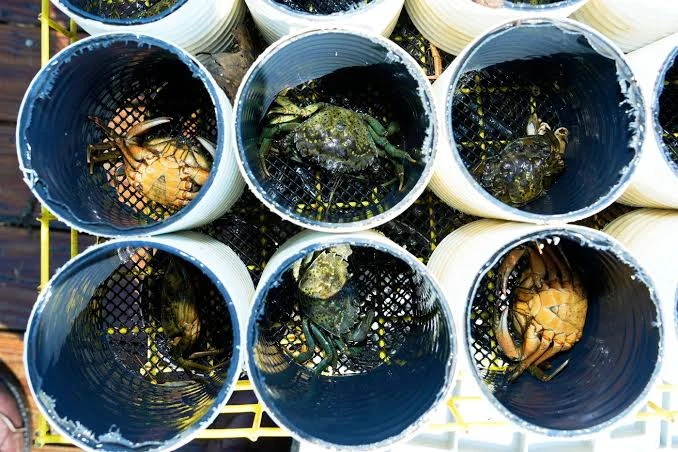
New England harvesters are commercializing invasive European green crabs to combat ecological damage and boost regional fisheries. Originating from ship ballast waters hundreds of years ago, the crabs now number in the tens of millions along the East Coast, outcompeting native species, destroying eelgrass beds, and ravaging shellfish industries. In Maine, soft-shell clam landings dropped dramatically from over 7.8 million pounds in 1978 to 1.3 million pounds in 2025 due to green crab predation. To mitigate these impacts, former marine teacher Mike Masi and other entrepreneurs target crabs about to molt. These soft-shell specimens fetch higher market prices, up to $3 each compared to 8 cents for hard shells. Beyond restaurants, processors utilize the crabs for pet treats, fish sauce, and specialty spirits. This growing commercial push transforms an environmental threat into a viable economic commodity, offering partial relief to local harvesters facing severe ecological disruptions.
Timeline
- 1978 — On 1978, Maine softshell clam landings peaked at over seven million pounds.
- 2025 — On 2025, Maine softshell clam landings declined to 1.3 million pounds.
- On June 16, 2026, harvesters collected invasive crabs along Maine tidal rivers.
- On August 26, 2026, reports highlighted new culinary markets for green crabs.
- In coming months, restaurants will expand softshell green crab menu offerings.
- In coming years, pet food companies will launch new green crab treats.
- In coming years, state agencies will monitor local shellfish population recovery rates.
- In coming years, harvesters will increase soft-shell green crab collection efforts.
- In coming years, distillers will release additional batches of green crab whiskey.
- In coming years, researchers will evaluate overall invasive green crab population reductions.
Sources
JQJO Editorial Desk · Human reviewed · AI assisted. Report a correction.