Scientists Warn Bigger Climate Shocks Are on the Way
PUBLISHED Aug 24, 2026, 11:53 PM ET
Read, Watch or Listen
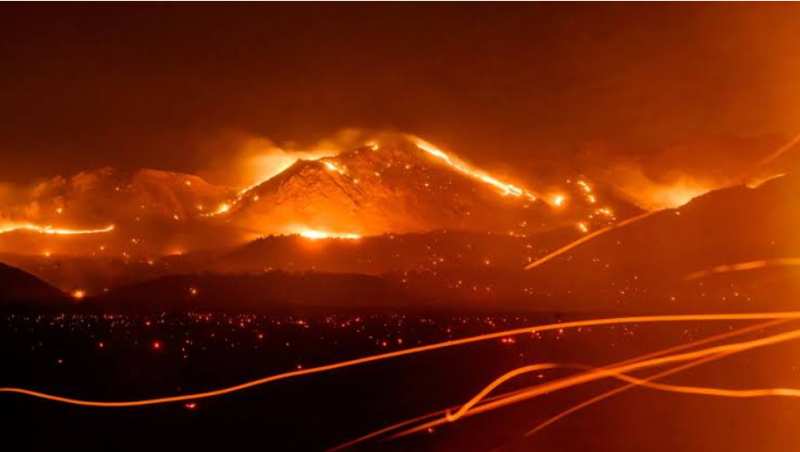
Leading climate scientists have issued urgent warnings that the global community is inching toward unprecedented extreme weather events, stating that much larger planetary shocks are inevitable. Global average temperatures reached 1.44 degrees Celsius warmer in 2025 compared to baseline averages of the early 1800s. Researchers highlighted that more than half of all historical human greenhouse gas emissions have accumulated over the past fifty years, trapping heat that will take centuries to reverse. Experts drew parallels between real-world escalation and speculative disaster scenarios, emphasizing that severe heat waves, droughts, and floods are moving from theoretical models to measurable realities. Climatologists noted that public skepticism and psychological denial remain critical hurdles to preparedness. Federal tracking data from agencies such as NOAA underscore mounting risks across the United States, with recurring billion-dollar disasters straining infrastructure. Experts maintain that without aggressive transitions away from fossil fuels and increased adaptation investments, the frequency and severity of extreme weather shocks will continue to accelerate nationwide.
By Michael Grant | JQJO News
Timeline of Events
- In the 1850s, amateur scientist Eunice Newton Foote conducted pioneering greenhouse gas experiments.
- On August 24, 2026, AP published extensive analysis regarding impending major climate shocks.
- On August 24, 2026, scientists warned global temperatures rose 1.44 degrees Celsius.
- On August 24, 2026, researchers highlighted historical greenhouse gas accumulation over decades.
- On August 24, 2026, experts discussed psychological barriers like climate denial mechanisms.
- On August 24, 2026, NOAA reported extensive coral bleaching across global ocean waters.
- Researchers expect worsening extreme weather frequency across western states in coming years.
- Federal agencies plan enhanced disaster resilience frameworks before next decade milestones.
- Municipalities will adopt earthquake-style retrofitting models for climate adaptation by 2030.
- Global policymakers debate accelerated net-zero funding targets through 2050 transition periods.
News Intelligence
- Immediate US impact: Heightened public awareness and urgency surrounding intensifying national weather disasters.
- Possible long-term US impact: Accelerated municipal infrastructure adaptation and stricter federal emissions policy mandates.
- Most affected groups: US coastal residents, agricultural workers, emergency responders, and federal climate agencies.
- Media Priorities: Monitor official NOAA weather advisories, scientific consensus reports, and local emergency updates.
- Articles Published:
- 31
- Right Leaning:
- 1
- Left Leaning:
- 2
- Neutral:
- 28
- Distribution:
- Left 6%, Center 90%, Right 3%
Left: Emphasized systemic ecological crises, emission reduction failures, and urgent climate action needs. Center: Reported empirical temperature data, scientific projections, and institutional preparedness challenges. Right: Highlighted policy debates surrounding economic impacts, energy regulations, and adaptation costs.
Associated Press published comprehensive scientific warnings regarding impending major climate shocks. https://apnews.com/article/climate-change-disaster-big-one-threat-5b062254250a759483c94376d32ae478
Coverage of Story:
From Left
Catastrophic climate events are no longer fiction, leading scientists warn
The Guardian IndependentFrom Center
Scientists Warn Bigger Climate Shocks Are on the Way
Associated Press Associated Press WKYC Sentinel Colorado KTAR Greenfield Reporter Reuters CNN New York Times Washington Post Bloomberg BBC News NPR PBS NewsHour USA Today Wall Street Journal Axios Politico The Hill Time Newsweek Los Angeles Times San Francisco Chronicle Seattle Times Al Jazeera NBC News CBS News ABC News





Comments