Major Climate Polluters Worsening Western US Water Crisis, Study Finds
Tap title to read story
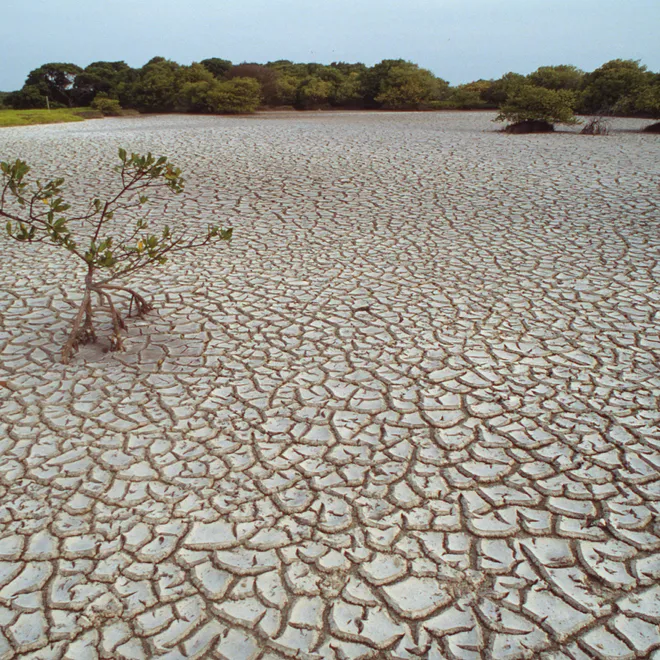
A peer-reviewed study published in Nature Communications Earth and Environment reveals that the world's largest fossil fuel and cement producers are responsible for nearly half of climate-driven water impacts in the western United States since 1950. Researchers from the Union of Concerned Scientists and the University of California, Merced, quantified that emissions from 122 Carbon Majors shrank regional snowpack by 15 percent, reduced warm-season streamflow by 6 percent, and increased agricultural irrigation demand by 2.4 percent between 2014 and 2024. This cumulative loss exceeds 40 million acre-feet of water, creating severe agricultural vulnerabilities and shifting annual streamflow peaks up to 30 days earlier in mountainous basins. Internal corporate records indicate major firms understood these climatic risks by 1959. Concurrently, the fossil fuel industry is lobbying Congress for legislation to shield producers from liability associated with historical emissions damages, drawing sharp scrutiny from environmental scientists and regional agricultural communities across the western states.
Timeline
- On August 25, 2025, researchers published findings quantifying historical carbon emissions water impacts.
- On August 25, 2025, scientists detailed shrinking snowpack and declining streamflow measurements.
- On August 26, 2025, industry lobbyists advocated for congressional liability immunity bills.
- On August 27, 2025, agricultural coalitions raised alarms regarding diminished irrigation supplies.
- On August 28, 2025, legal analysts evaluated potential accountability lawsuits against fossil producers.
- On August 29, 2025, municipal authorities reviewed municipal water management adaptation strategies.
- On August 30, 2025, climate advocates demanded stricter regulatory oversight on major polluters.
- On August 31, 2025, academic institutions expanded modeling on western seasonal flow shifts.
- On September 1, 2025, lawmakers debated legislative protections for large energy corporations.
- On September 2, 2025, state agencies implemented emergency conservation protocols for agriculture.
- In coming months, congressional committees will debate industry liability immunity proposals.
- During next year, western states will face severe irrigation shortages.
- Throughout future decades, snowpack levels will decline across mountainous regions.
Sources
JQJO Editorial Desk · Human reviewed · AI assisted. Report a correction.