SEC Subpoenas Wall Street Banks Over AI Hedge Fund's Near-Collapse
Tap title to read story
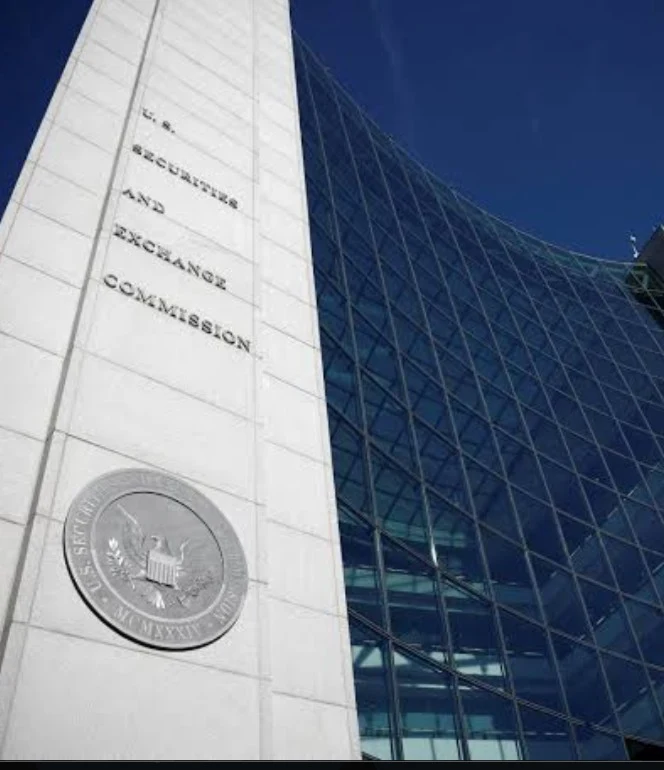
The U.S. Securities and Exchange Commission has issued subpoenas to Goldman Sachs, JPMorgan Chase, Citigroup, and Bank of America seeking information about their role in the near-collapse of AI-focused hedge fund Situational Awareness.
The subpoenas, first reported by The New York Times and confirmed by Reuters, request details on the timing of the fund’s trades, its use of leverage, and communications with the lenders. The inquiry is in its early stages and does not imply wrongdoing.
Situational Awareness, led by former OpenAI researcher Leopold Aschenbrenner, plummeted from approximately $45 billion to around $10 billion in late July after a technology sector sell-off forced it to unwind heavily leveraged positions. The fund held concentrated stakes in SK Hynix and CoreWeave.
Losses triggered margin calls, prompting a fire sale of the public equity portfolio to Ken Griffin’s Citadel at a roughly 10% discount. Citadel has since offloaded about 80% of the risk through more than 100 block trades worth over $4 billion. The fund operated with reported leverage of up to 400%.
The SEC and the four banks declined to comment. Situational Awareness said it would cooperate fully with regulators.
More context
Timeline
- On 2024 — Former OpenAI researcher Leopold Aschenbrenner founds Situational Awareness hedge fund.
- · On early July 2026 — Fund peaks at roughly $45 billion in assets under management.
- · On July 2026 — Technology sector sell-off hammers semiconductor and AI stocks.
- · On late July 2026 — Fund plummets from $45 billion to around $10 billion.
- · On July 2026 — Margin calls force fund to unwind concentrated leveraged positions.
- · On July 2026 — Citadel buys fund’s public stock portfolio at ~10% discount.
- · On July 31, 2026 — CNBC reports fund’s collapse and Citadel rescue deal.
- · On August 21, 2026 — Griffin tells investors Citadel offloaded 80% of portfolio risk.
- · On August 24, 2026 — NYT first reports SEC subpoenas to four Wall Street banks.
- · On August 25, 2026 — Reuters and CNBC confirm SEC subpoenas; story goes global.
- · In coming months — SEC investigation may escalate or conclude without enforcement action.
- · In coming years — Case may reshape rules on hedge fund leverage and AI concentration
Why it matters
Immediate US impact: SEC probes Wall Street’s role in $35 billion AI fund meltdown. · Possible long-term US impact: Tighter leverage rules for AI-focused hedge funds possible. · Most affected groups: Wall Street banks, AI investors, hedge fund clients, and retirement accounts. · Readers should prioritise: Follow SEC filings and bank disclosures for investigation developments.
Coverage notes
Left: Frames probe as protecting investors from reckless Wall Street leverage. · Center: Reports SEC investigation facts; emphasizes early stage and no wrongdoing. · Right: Frames as government overreach targeting successful AI innovation and markets.
Primary report
publication_date: August 24, 2026 · trigger_description: SEC sent subpoenas to four Wall Street banks on August 24, 2026.
Sources
JQJO Editorial Desk · Human reviewed · AI assisted. Report a correction.