US Senate Blocks Bid to Curb Trump's Iran War Powers
Tap title to read story
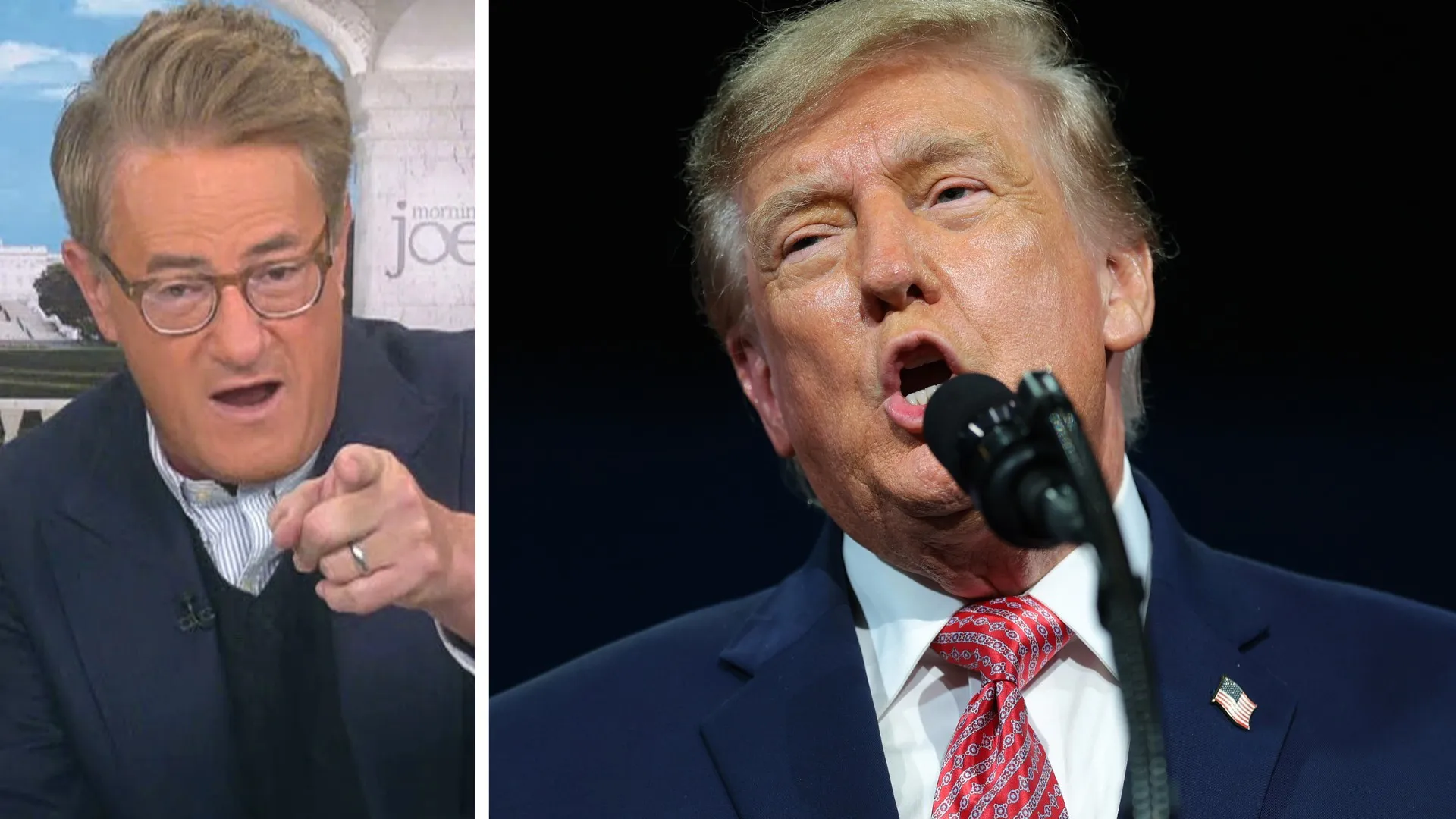
The US Senate on August 23 voted 49-47 to reject a Democratic-led resolution aimed at limiting President Donald Trump's war powers regarding Iran, dealing a blow to congressional efforts to constrain the administration's military actions. The vote came hours after the House passed a separate, non-binding resolution demanding a halt to the war. Senator Mark Warner, vice chairman of the Senate Intelligence Committee, publicly questioned when Trump would end the "disastrous and deadly war," citing risks to service members and rising prices. Senate Democratic Leader Chuck Schumer also criticized the conflict as an "illegal" failure lacking strategy. Republicans, holding a narrow Senate majority, largely supported the administration, allowing military operations against Iran to continue without an immediate congressional mandate. The rejection underscores deep partisan divisions over US foreign policy and comes as the USS Abraham Lincoln carrier group, deployed for over 250 days in a record-setting mission, is being rotated out of the region.
Timeline
- On late February 2026, US-Israeli strikes on Iran began the current conflict.
- · On 14 August 2026, Navy stated Lincoln had 266 days deployed and 200 in combat zone.
- · On 19 August 2026, USS George Washington arrived in Middle East to relieve Lincoln.
- · On 20 August 2026, Senator Warner publicly demanded Trump end "disastrous and deadly" Iran war.
- · On 20 August 2026, reports said USS Abraham Lincoln began its return to San Diego.
- · On 23 August 2026, Senate voted 49-47 to reject Democratic War Powers Resolution.
- · On 23 August 2026, House passed its own separate resolution demanding an end to the war.
- · On 23 August 2026, Schumer called the war "illegal" and a "total failure".
- · On 23 August 2026, oil prices were pressured with Brent crude above $100 a barrel.
- · In coming months, USS George Washington will sustain operations in the Middle East.
- · In coming months, Congressional Democrats will likely force additional War Powers votes.
- · In coming months, US Navy will assess operational strain from the prolonged deployment.
- · In coming months, political debate may intensify ahead of the midterm elections.
- · In coming years, the strategic impact of overstretched naval assets will be evaluated.
Sources
JQJO Editorial Desk · Human reviewed · AI assisted. Report a correction.