Trump Declares Strait of Hormuz 'New US Territory' as Iran Refuses to Reopen Waterway
PUBLISHED Aug 22, 2026, 9:52 PM ET
Read, Watch or Listen
President Donald Trump again shared a Truth Social map labeling the Strait of Hormuz “NEW US Territory” on Aug. 23, escalating a dispute with Iran over control of the waterway. Trump first posted the map Aug. 18, days after saying he would declare Hormuz U.S. territory after defeating Iran. Iran’s Supreme National Security Council secretary, Mohsen Rezaei, said Aug. 23 that the strait would remain closed until Washington changes its behavior and fulfills commitments. Iran has allowed Iraqi oil tankers to pass, indicating that “closed” does not mean every vessel is barred. Recent reporting shows commercial traffic remains below prewar levels, despite tracking data indicating increased vessel movements. Trump has shifted toward economic pressure after a 60-day U.S.-Iran memorandum expired without a settlement. The territorial claim is a political assertion, not evidence of a transfer of sovereignty. Legal control remains disputed, while the crisis threatens energy markets and global shipping.
By Emily Rhodes | JQJO News
Timeline of Events
- On February 28, 2026, U.S.-Israeli strikes against Iran began conflict.
- On June 17, 2026, Washington and Tehran signed bilateral agreement.
- On August 14, Trump promised declaring Hormuz United States territory.
- On August 17, the sixty-day negotiating period expired without settlement.
- On August 18, Trump posted map labeling Hormuz U.S. territory.
- On August 18, Trump said Hormuz remained open and operating.
- On August 18, Iran demanded conditions before reopening the waterway.
- On August 22, Iran permitted Iraqi oil tankers through Hormuz.
- On August 23, Rezaei again declared Hormuz closed pending concessions.
- Over coming days, sanctions could intensify pressure on Iran's economy.
- Over coming weeks, shipping disruptions could sustain elevated energy prices.
- Over coming months, diplomacy could resume if sides seek compromise.
News Intelligence
- Immediate US impact: U.S. consumers face potential fuel-price pressure from prolonged Hormuz disruption.
- Possible long-term US impact: Long-term instability could reshape U.S. energy security, alliances, and trade.
- Most affected groups: Most affected are consumers, shippers, energy firms, and Gulf allies.
- Reader priority: Prioritize primary statements, shipping data, and independent wire-service reporting carefully.
- Articles Published:
- 26
- Right Leaning:
- 4
- Left Leaning:
- 3
- Neutral:
- 19
- Distribution:
- Left 12%, Center 73%, Right 15%
Left: Left coverage emphasizes escalation, sovereignty concerns, civilian costs, and diplomacy. Center: Center coverage emphasizes competing claims, verified shipping data, and uncertainty. Right: Right coverage emphasizes American control, pressure, security, and Iran’s resistance.
On August 18, Trump posted map labeling Hormuz U.S. territory. https://www.cbsnews.com/live-updates/us-iran-war-deal-strait-of-hormuz/
Coverage of Story:
From Left
Trump threatens to declare strait of Hormuz ‘territory of the United States’
The Guardian The Guardian Al JazeeraFrom Center
Trump Declares Strait of Hormuz 'New US Territory' as Iran Refuses to Reopen Waterway
Times of India Reuters Reuters Associated Press Associated Press Associated Press Associated Press ABC News ABC News The Independent Anadolu Agency Anadolu Agency Yonhap News Agency Euronews The Times of Israel The Straits Times India Today MercoPress NOTUSFrom Right
Oil prices rise as resolution to Iran war remains unclear following MOU expiration
Fox News Breitbart The Daily Telegraph The Sun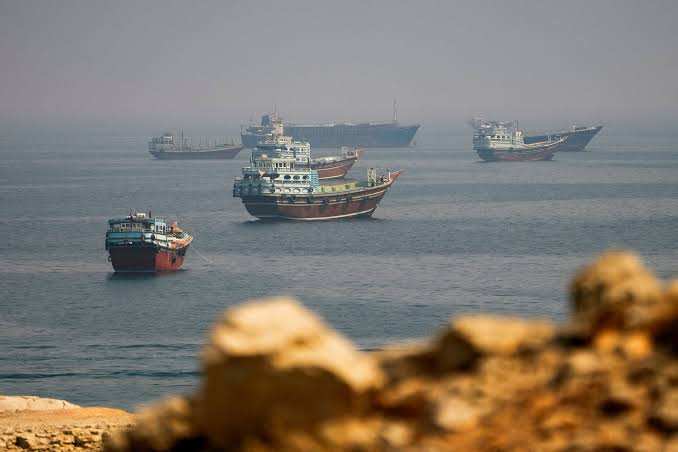




Comments